Berlin Insists Turkey-EU Gas Contracts Exclude Russian Supplies Amid Energy Shift
Germany emphasizes EU's stance that future gas agreements with Turkey must not involve Russian gas supplies.
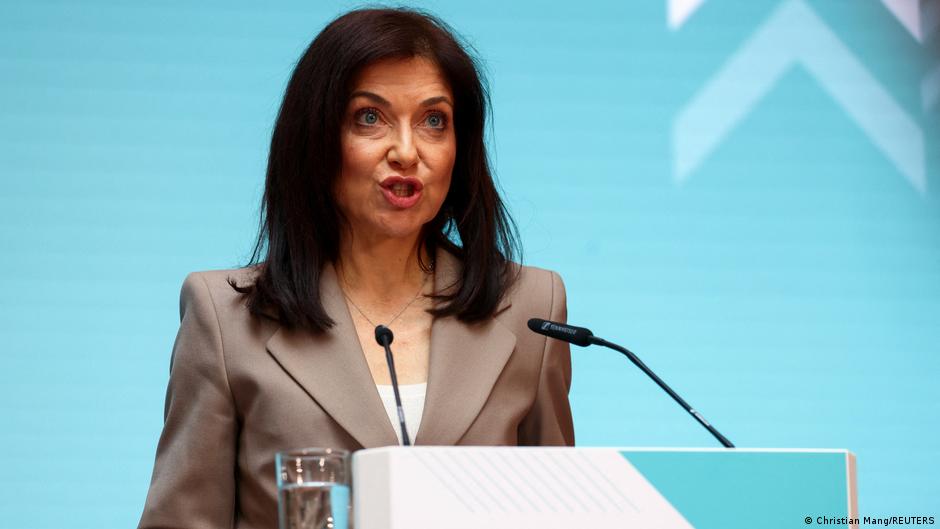
During a two-day visit to Ankara, Germany's Economy Minister Katherina Reiche reaffirmed the European Union's position that any future gas supply contracts involving Turkey and the EU should exclude imports of Russian gas. This statement underscores the EU’s ongoing efforts to reduce dependency on Russian energy amid geopolitical tensions.
EU Pushes for Non-Russian Gas Supplies in Turkey Deals
Speaking on June 19, Minister Reiche emphasized that Brussels will firmly insist on gas supplies not originating from Russia within any prospective energy agreements with Turkey. Accompanied by a German business delegation, she conveyed Berlin’s confidence that Turkey understands and accepts the EU’s position.
"Brussels will insist on gas supplies not coming from Russia in any future energy agreements involving Turkey," said Minister Katherina Reiche.
Earlier that day, Reiche held talks with Turkey's Energy Minister Alparslan Bayraktar. She stressed the importance of Turkey as a reliable trade partner and a critical ally in achieving common political goals, particularly in the context of ongoing conflicts such as Russia's war against Ukraine and the tensions involving the US, Israel, and Iran.
Highlighting economic ties, Reiche noted, "Turkey is the EU's fifth-largest trading partner," with balanced trade relations underpinning this strategic partnership.
Turkey’s Energy Strategy Amid EU’s Diversification Efforts
Turkey currently ranks as the second-largest buyer of Russian gas. As existing contracts with Moscow near expiration, Ankara is negotiating new supply agreements with Russia while simultaneously seeking to establish itself as a regional gas hub. This dual approach reflects Turkey’s strategic balancing act between securing energy supplies and expanding its geopolitical influence.
Reiche acknowledged Turkey’s understanding of the EU’s firm resolve to end its reliance on Russian raw materials. However, she pointed out that Turkish officials have made clear that an immediate replacement of Russian gas is unfeasible — both economically and in terms of available alternative resources.
In line with this energy diversification, Turkish refineries have increased crude oil purchases from Iraq and Kazakhstan, an adjustment prompted by Western sanctions targeting the Russian oil sector amid the ongoing conflict in Ukraine.
These developments highlight the complex dynamics shaping the European and regional energy markets as geopolitical factors continue to influence supply chains and trade flows.