German Authorities Grant Asylum to Russian Anti-War Activist After Years of Appeals
Russian activist Ilya Shkolny receives asylum in Germany following a prolonged legal battle and last-minute intervention by human rights defenders.
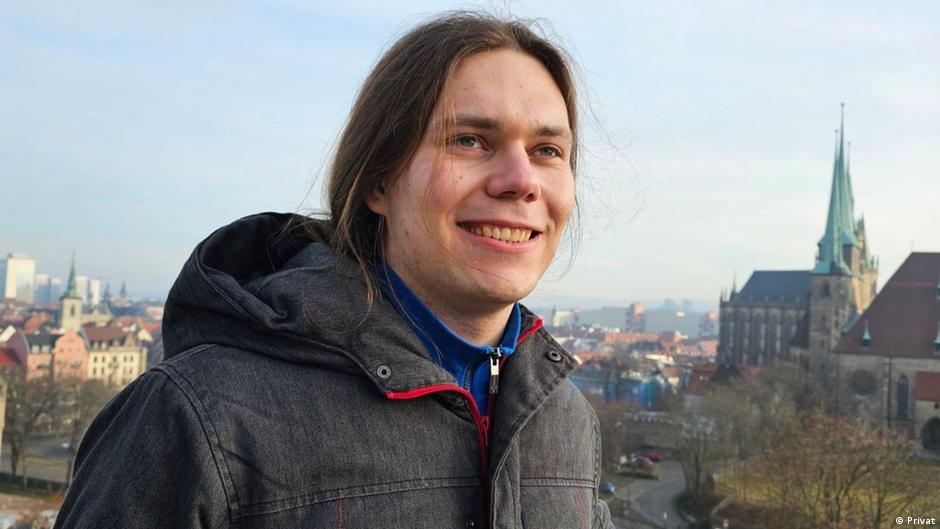
After a protracted legal struggle spanning three years, German authorities have granted asylum to Russian anti-war activist Ilya Shkolny. Earlier in 2026, Shkolny narrowly avoided deportation back to Russia thanks to concerted efforts by human rights advocates. This development marks a significant shift in Germany's stance amid ongoing geopolitical tensions.
Protracted Legal Battle and Human Rights Advocacy
Ilya Shkolny’s fight for political asylum in Germany began shortly after his arrival in June 2022 on a 90-day visa intended for binational couples. He had come to be with his German fiancée, Ansuela Baldemair, intending to marry. Shkolny, a volunteer in Alexei Navalny’s campaign and an active participant in Russia’s political opposition movements, refused to return to Russia, especially following Moscow’s full-scale invasion of Ukraine.
Initially, the Federal Office for Migration and Refugees (BAMF) rejected his asylum claims in 2025, citing that the threat of conscription into the Russian army did not justify asylum and that political risks tied to his activism were deemed insufficiently serious. A subsequent appeal highlighting worsening political repression, legislative crackdowns, and increased penalties for dissent was also denied due to a lack of "new circumstances." Even legal efforts to halt the deportation were initially unsuccessful.
"The authorities initially argued that Shkolny could obtain a visa to return legally to Germany after traveling to Russia, questioning both the threat level he faced and the legitimacy of his marriage," noted a human rights coordinator involved in his case.
Concerns were further complicated by the couple’s separate living arrangements, which raised doubts about the authenticity of their marriage in the eyes of immigration officials.
Support from Political and Academic Circles
Throughout this ordeal, Shkolny received considerable backing from multiple sectors. Members of the German Bundestag submitted letters urging the Ministry of Interior to reconsider his case carefully. Academic support came from students and faculty of the University of Bayreuth, where Shkolny is a student. An online petition launched in late March amassed nearly 2,500 signatures, advocating for the cessation of his deportation and granting him legal residency rights.
This collective pressure likely influenced the German government’s eventual decision to grant asylum, reflecting heightened awareness of political persecution risks faced by Russian dissidents, especially those opposing the Ukraine conflict.
Implications for Market and Migration Trends
Shkolny’s case underscores broader dynamics affecting migration flows into Germany amid geopolitical instability. As restrictive policies and political repression intensify in Russia, Germany could see increased asylum applications from political activists and opposition figures. This trend may influence labor markets, social services demand, and sector rotations related to migration-driven economic changes.
For real-time market participants, awareness of these sociopolitical shifts is crucial when assessing regional economic stability and labor supply trends in Europe’s largest economy.