US Defense Firms Fear Ukraine Could Upgrade and Mass-Produce Patriot Missiles
Raytheon and Lockheed Martin express concerns over Ukraine’s potential to enhance and rapidly manufacture Patriot missiles if licensed.
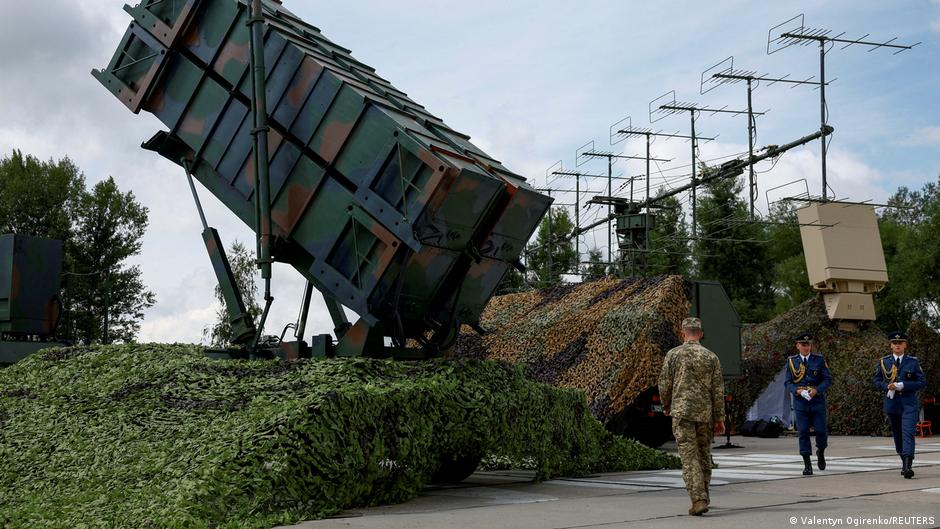
American defense contractors Raytheon and Lockheed Martin have voiced concerns that Ukraine, if granted licenses, could enhance Patriot interceptor missiles and mass-produce them faster and more cost-effectively than current US production lines allow. This apprehension was reported by a US Republican congressman supportive of licensing Ukraine, according to a recent report.
Concerns Over Intellectual Property and Technology Transfer
The companies officially justify their fears by citing risks of intellectual property theft and unauthorized technology transfer. The Patriot missile system is a cornerstone of US air defense, and its technology is tightly controlled.
“If Ukraine receives licenses, they might innovate improvements and scale production rapidly, which could undermine US manufacturing advantages.”
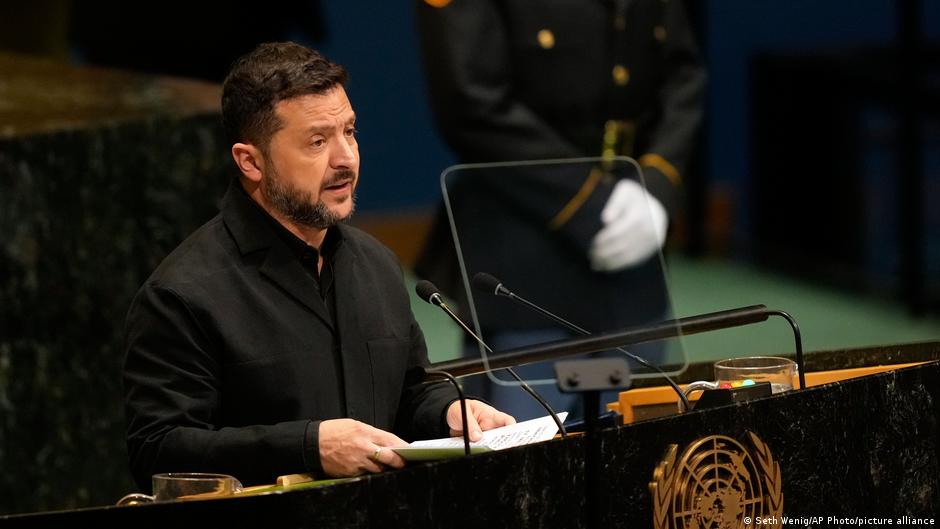
Ukrainian President Volodymyr Zelensky disclosed on August 8 that he requested Patriot missile licenses from then-President Joe Biden during the war’s first year. Zelensky also mentioned that an agreement with former President Donald Trump had been reached to issue the licenses, lamenting delays in current bureaucratic processes.
"Imagine if we had received them four years ago," Zelensky commented, emphasizing the urgency of missile supplies amid ongoing attacks. He further urged European allies to follow the US lead in granting relevant licensing, noting longstanding cooperation with European partners.
According to journalist Tym Zadorozhny from The Kyiv Independent, Ukraine raised the licensing issue with senior US officials including then-Defense Secretary Lloyd Austin and National Security Advisor Jake Sullivan, but was met with unexplained refusals.
The core US concern appears to be that Ukraine could produce surplus Patriot missiles not only for its own defense but potentially for US use or resale to Washington’s allies and partners, which could complicate US strategic control over the missile system.
Political Reactions and Broader Context
On August 6, when asked whether the US would provide Ukraine with additional Patriot interceptors or long-range missiles, former President Donald Trump responded that the US itself requires those missiles. He criticized the Biden administration for depleting US ammunition stocks by delivering approximately $300 billion worth of military aid to Ukraine, stating, "When I left office, stockpiles were full, but much has been given away since then. We are now rebuilding using very powerful munitions that we wouldn’t otherwise be using."
This dynamic highlights the sensitive balance in US policy between supporting Ukraine’s defense needs and safeguarding critical military technologies and resources amid ongoing conflict.
As the war continues, licensing decisions around advanced missile systems like Patriot remain a pivotal issue in the intersection of defense industrial strategy, alliance politics, and operational support on the front lines.