Canada Seeks Role in EU’s €90 Billion Ukraine Loan Ahead of October Summit
Ottawa is negotiating to join the European Union’s Ukraine lending program as Prime Minister Mark Carney seeks deeper transatlantic ties.
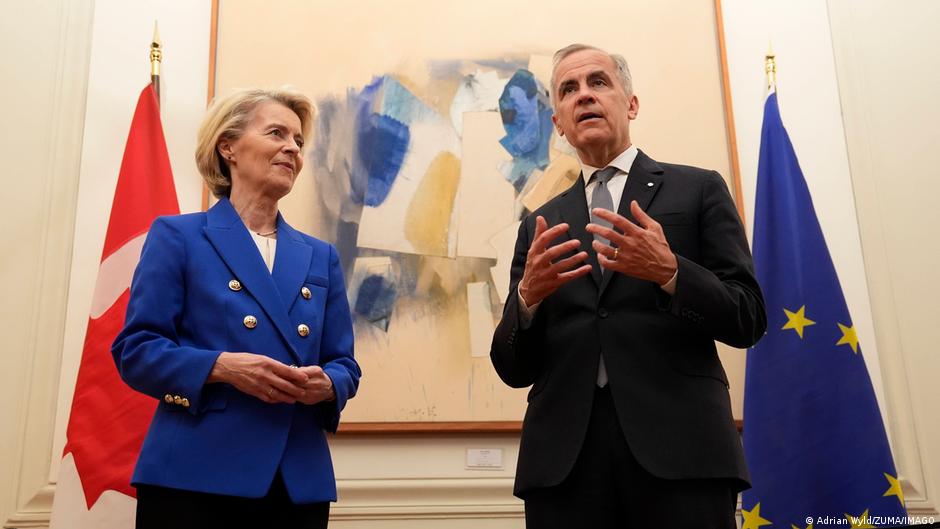
Canada is in talks to join the European Union’s €90 billion loan program for Ukraine, a potential move that would deepen Ottawa’s financial alignment with Europe and broaden the coalition backing Kyiv beyond the EU’s own member states.
The size of Canada’s contribution is expected to be agreed before an EU-Canada summit scheduled for late October in Montreal, according to the Financial Times, which cited people familiar with the situation. The talks come as investors continue to monitor Ukraine-related financing, European defense commitments and the broader political realignment shaping trade and capital flows across the Atlantic.
For markets, the development adds another signal that Ukraine support remains embedded in long-term fiscal and strategic planning among Western economies. While the source report did not specify the instruments, timing or market placement of any Canadian participation, the possible entry of a G7 economy outside the EU would be closely watched by sovereign debt investors, defense-sector analysts and traders tracking geopolitical risk premiums in Europe.
Canada wants to participate in the European Union’s loan program for Ukraine, with the size of its contribution to be agreed before the EU-Canada summit in late October.
Canada Looks to Europe as Strategic Partner
Prime Minister Mark Carney’s government is seeking to use Canada’s participation in the lending program to show Europe that Ottawa is committed to strengthening transatlantic ties. According to the FT report cited in the Russian-language source, Carney is pursuing closer links with Europe in part to reduce Canada’s dependence on the United States.
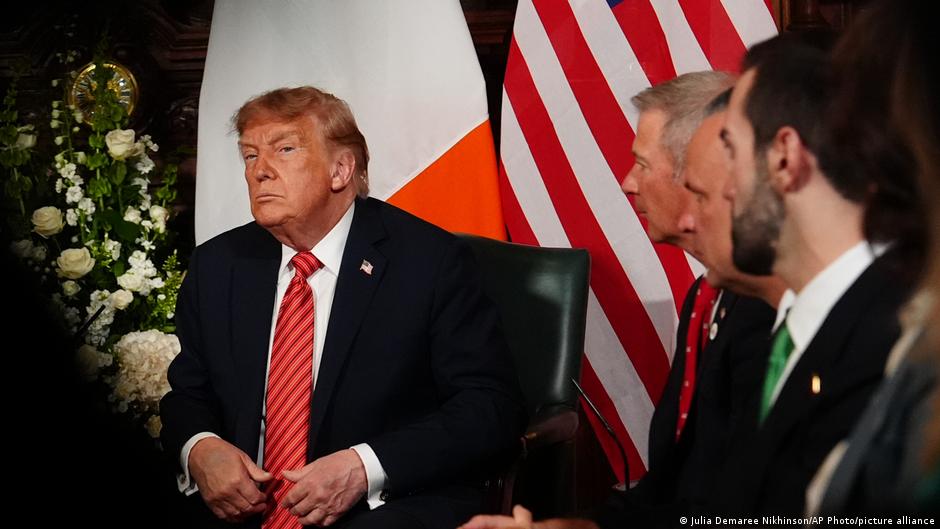
The same report framed Carney’s broader idea as an effort to build an alliance of liberal powers committed to a multilateral order, which it said had been disrupted by U.S. President Donald Trump. That political backdrop is relevant for markets because it places the Ukraine loan talks inside a wider reordering of trade, defense and technology relationships among advanced economies.
Canada is not currently the only non-EU country associated with the Ukraine loan initiative. The United Kingdom remains the sole country outside the European Union to have joined the loan so far, according to the source article. If Canada reaches an agreement, it would mark another step in expanding the support framework beyond the EU bloc itself.
Defense, Digital Trade and AI Talks Add to Market Focus
Ottawa has already provided Ukraine with military aid totaling 6.5 billion Canadian dollars, or about $4.7 billion, according to the report. On September 10, Carney and Ukrainian President Volodymyr Zelensky signed a declaration establishing a 100-year partnership, including cooperation in defense innovation.
That defense innovation element is likely to draw attention from investors following aerospace, cybersecurity, dual-use technology and military procurement supply chains. The source does not provide details on contracts, allocations or company beneficiaries, but the policy direction reinforces the view that Ukraine-related defense cooperation remains a durable theme rather than a short-cycle emergency response.
The Ukraine loan discussions are also taking place alongside Canada’s effort to secure broader agreements with the European Union. Seeking support in a trade war with the United States, Canada hopes to conclude other arrangements with Brussels, including joining the EU supercomputer network for joint work on artificial intelligence and signing a digital trade agreement, the Financial Times reported.
Those potential agreements would matter beyond diplomacy. Access to European supercomputing capacity could affect the competitive landscape for AI research and industrial applications, while a digital trade agreement could influence cross-border data rules, platform regulation and technology-sector access between Canada and the EU. The Russian-language source does not set out any financial terms or implementation dates for those initiatives, but it places them within the same negotiating track as the Ukraine loan talks.
Ukraine Financing Remains a Live Geopolitical Risk Marker
The proposed Canadian contribution has not yet been fixed, and the talks remain ongoing. The immediate milestone is the EU-Canada summit in Montreal at the end of October, when the two sides are expected to have settled the size of Ottawa’s participation if negotiations succeed.
For real-time market intelligence desks, the next signals to watch are the confirmed Canadian contribution, any structure attached to the loan program, the summit communique, and whether other non-EU countries follow the United Kingdom and Canada. Such developments could shape expectations for the durability of Ukraine funding, the fiscal burden across allied governments and the direction of transatlantic economic cooperation.
The story also intersects with sector rotation themes already visible across global markets: defense modernization, AI infrastructure, digital trade rules and sovereign credit strategy. The current report does not provide trading volumes, asset-price moves or new budget figures beyond the EU loan size and Canada’s previously announced military aid. Still, the policy direction is clear: Ottawa is seeking a larger role in Europe’s strategic and financial response to Ukraine while using that alignment to reduce reliance on Washington.