ECB Clears UniCredit to Raise Commerzbank Stake Above 30%
Regulatory approval removes a key barrier to UniCredit gaining control of Commerzbank despite opposition from Berlin and the German lender.
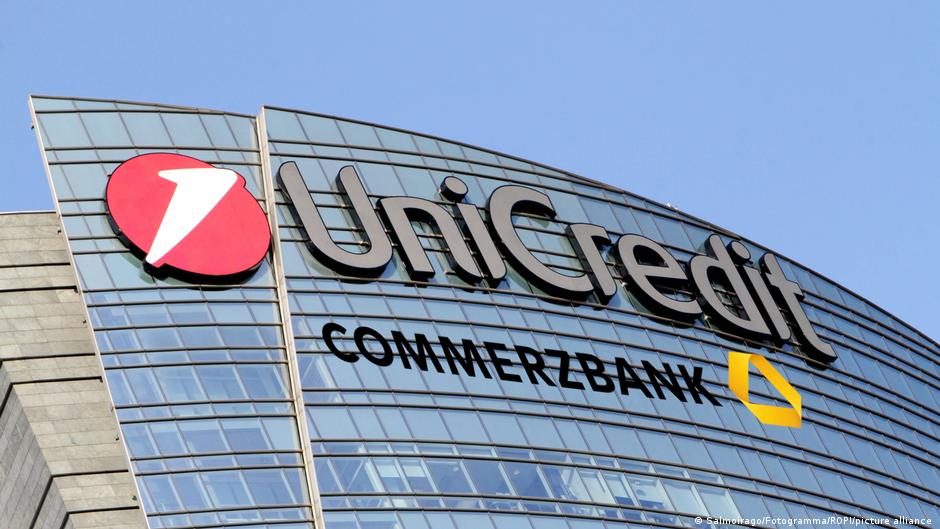
UniCredit said the European Central Bank has approved the Italian lender’s acquisition of stakes in Commerzbank, clearing a decisive regulatory hurdle in its effort to gain control of one of Germany’s two largest private banks.
The approval, announced by UniCredit representatives on Thursday, October 15, allows the Italian bank to cross the threshold of 30% ownership in Commerzbank. According to German news agency dpa, UniCredit would then be able to continue increasing its holding without further limits, creating a path toward the de facto takeover of Germany’s second-most important commercial bank.
For markets, the ECB decision removes a central source of regulatory uncertainty surrounding the transaction. It also brings questions over control, corporate structure and potential cost reductions into sharper focus as the deal moves through its remaining supervisory procedures.
UniCredit said the decision demonstrated confidence in its “strong position in the European banking sector.”
Control Could Be Secured by Year-End
The transaction is expected to complete the necessary supervisory procedures by the end of the current year. By that point, UniCredit is expected to hold half of the voting rights in Commerzbank’s shareholder body, which would allow the Italian group to establish control over the German lender, dpa reported.
That prospective voting position is more significant for the deal than the headline ownership threshold alone. Once UniCredit has half of the voting rights, it would have the ability to direct decisions at Commerzbank even before any further increase in its economic interest. The ECB authorization therefore moves the transaction from a conditional stake-building exercise toward a potential change of control.
UniCredit presented its exchange offer to Commerzbank shareholders in May. Under the proposal, investors were offered 0.485 UniCredit shares for each Commerzbank share they owned. Through that structure, the Italian bank secured access to almost half of the German company’s shares. Completion of the share exchange, however, required authorization from the ECB.
The central bank’s review was consequently a key stage in the process. Dpa noted that the outcome was not unexpected because the ECB has repeatedly indicated support for bank mergers within the eurozone. The regulator views such combinations as a way to strengthen the European Union’s single internal market.
German Opposition Keeps Political Risk in Focus
The regulatory clearance does not eliminate the political and operational tensions surrounding the proposed takeover. Commerzbank’s management and employees have opposed UniCredit’s plans, as have the German authorities.
The German government owns slightly more than 13% of Commerzbank and wants to prevent job losses that could result from optimization measures following a takeover. That position leaves Berlin as a significant shareholder and ensures that employment considerations will remain part of the debate as UniCredit advances toward control.
German authorities also want Commerzbank to remain a publicly listed company headquartered in Frankfurt am Main, according to dpa. In addition, they want the bank to continue developing services for Germany’s small and medium-sized companies, a core constituency in the country’s corporate economy.
Those demands highlight the areas investors will be watching as the transaction progresses: whether Commerzbank retains its separate listing and Frankfurt headquarters, how UniCredit approaches possible restructuring, and whether the German lender’s focus on small and medium-sized enterprises changes under new control.
European Bank Consolidation Moves Forward
The decision gives fresh momentum to cross-border banking consolidation in the eurozone. The ECB’s approval is consistent with its stated support for mergers that can deepen integration across the region’s banking market, while the opposition in Germany illustrates the national political resistance that large transactions can still face.
UniCredit now has regulatory permission to move beyond the 30% ownership level and, after the remaining supervisory steps, potentially command half of Commerzbank’s voting rights. The immediate market significance lies in the removal of a major execution barrier rather than in any disclosed change in the offer terms.
No share-price moves, trading volumes or revised financial terms were provided in the source announcement. Attention will therefore turn to the completion timetable, shareholder participation and any response from the German government, Commerzbank’s leadership or its workforce as the expected year-end deadline approaches.