Moscow Air Hub Disrupted as Russia Reports Downing Over 100 Drones
Russian officials said air defenses destroyed more than 100 drones bound for Moscow, forcing airport restrictions and diversions across key aviation hubs.
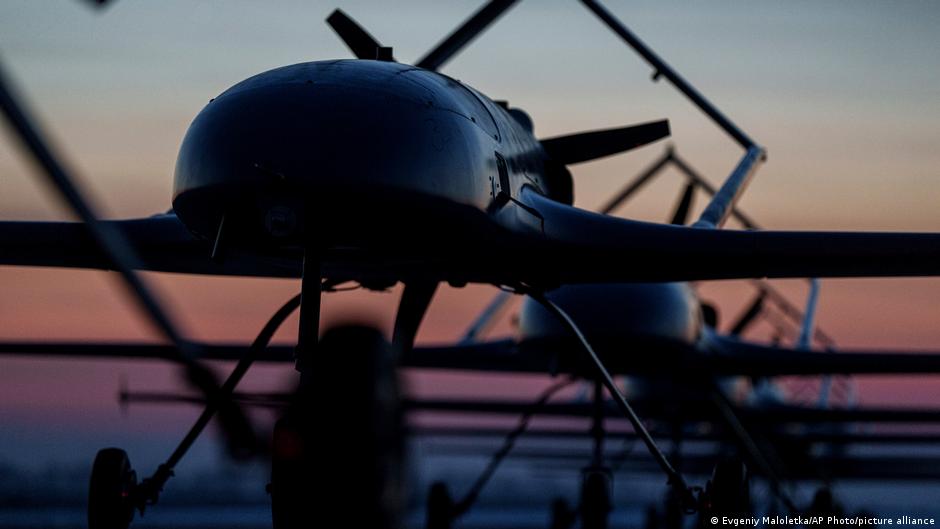
Russia’s Moscow aviation hub faced a major overnight disruption after officials said more than 100 Ukrainian unmanned aerial vehicles were destroyed while heading toward the capital, triggering temporary restrictions at all Moscow airports and forcing inbound aircraft to divert to other cities.
Moscow Mayor Sergei Sobyanin said in Telegram posts that Russian air defenses destroyed more than 100 drones that were moving in the direction of Moscow overnight into Wednesday, October 14. He did not specify which districts of the Moscow region were involved, nor did he identify any potential targets.
The scale of the reported interception placed immediate pressure on aviation operations serving the Russian capital. According to notices posted by the Telegram channel “Govorit Rosaviatsiya,” temporary restrictions on the reception and release of aircraft were introduced on the evening of October 13 at Vnukovo, Domodedovo, Sheremetyevo and Zhukovsky airports.
Flight Diversions Hit Moscow-Bound Traffic
The aviation disruption extended beyond routine delays. TASS reported that more than 30 aircraft flying to Moscow were redirected to other cities. According to the report, 19 aircraft that had been bound for Vnukovo instead landed in Nizhny Novgorod, St. Petersburg, Minsk, Pskov and Istanbul.
The Telegram channel “Ostorozhno, Novosti,” associated with journalist Ksenia Sobchak, reported separately that, based on information from St. Petersburg’s Pulkovo airport, 20 planes flying to Moscow were redirected there because of the restrictions.
For market participants tracking real-time transport disruption, the episode underscored how drone attacks and air-defense activity can quickly ripple through aviation networks. Restrictions at several airports at once can affect airline scheduling, crew rotations, passenger flows and fuel planning, even when restrictions are temporary.
The latest incident also showed the regional spread of aviation risk. According to “Govorit Rosaviatsiya,” restrictions overnight into October 14 were also introduced at airports in Volgograd, Nizhny Novgorod, Samara, Penza, Saratov and Yaroslavl. The airline Pobeda also reported schedule adjustments due to prolonged restrictions at airports in the Moscow aviation hub and the Volga region, “Ostorozhno, Novosti” noted.
“As a result of the UAV attack, there is damage to several residential buildings in the city of Balakovo. Preliminary: one person has died. All operational services are working at the site,” Saratov Region Governor Roman Busargin wrote on Telegram.
Regional Damage and Industrial-Zone Alert
While the Moscow-area reports focused on air-defense activity and airport restrictions, officials in Saratov Region reported casualties. Governor Roman Busargin said at least one person had died as a result of a drone attack. He said several residential buildings were damaged in Balakovo and that emergency services were working at the scene.
Separately, Stavropol Territory Governor Vladimir Vladimirov said air-defense forces had repelled a drone raid aimed toward the industrial zone of Nevinnomyssk. He did not specify which industrial facilities may have been potential targets.
The reference to an industrial zone is significant for markets because strikes or attempted strikes near industrial infrastructure can draw attention from traders monitoring energy, chemicals, logistics and regional manufacturing exposure. The official statement did not identify any specific assets, facilities or companies, and no details were provided about damage in Nevinnomyssk.
Across the reports, the immediate operational impact was clearest in the aviation sector. Moscow’s four main airports faced temporary limits on arrivals and departures, with traffic displaced to cities across Russia and beyond. The disruption also affected airports in the Volga region and other regional centers, broadening the event from a Moscow-focused aviation issue into a wider transport-management challenge.
For real-time market intelligence desks, the main variables to monitor after such an event are the duration of airport restrictions, the number of delayed or diverted flights, any confirmed damage to residential or industrial infrastructure, and whether airlines publish further schedule changes. In this case, the reported diversions, the Pobeda schedule adjustments and the multi-city airport restrictions all point to a substantial overnight aviation disruption rather than a localized delay.
No official details were provided in the source reports about the exact locations in the Moscow region where drones were destroyed, the intended targets near Moscow, or the specific industrial facilities that may have been targeted in Nevinnomyssk. The confirmed official claims were that Russian air defenses destroyed more than 100 drones heading toward Moscow, that airports introduced temporary operating restrictions, that flights were diverted, and that at least one person died in Balakovo after a drone attack.