Business
EU Move on Ukraine and Moldova Accession Adds Policy Signal for Markets
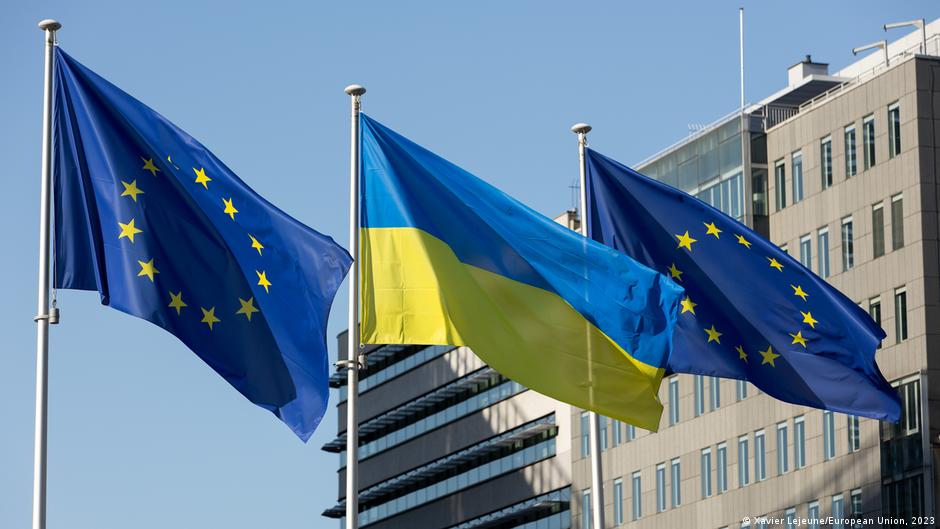
EU states agreed to open accession clusters 2 and 3 for Ukraine and Moldova, adding a policy catalyst for regional market watchers.
Editorial Team · Oct 13, 2026
EU states agreed to open accession clusters 2 and 3 for Ukraine and Moldova, adding a policy catalyst for regional market watchers.
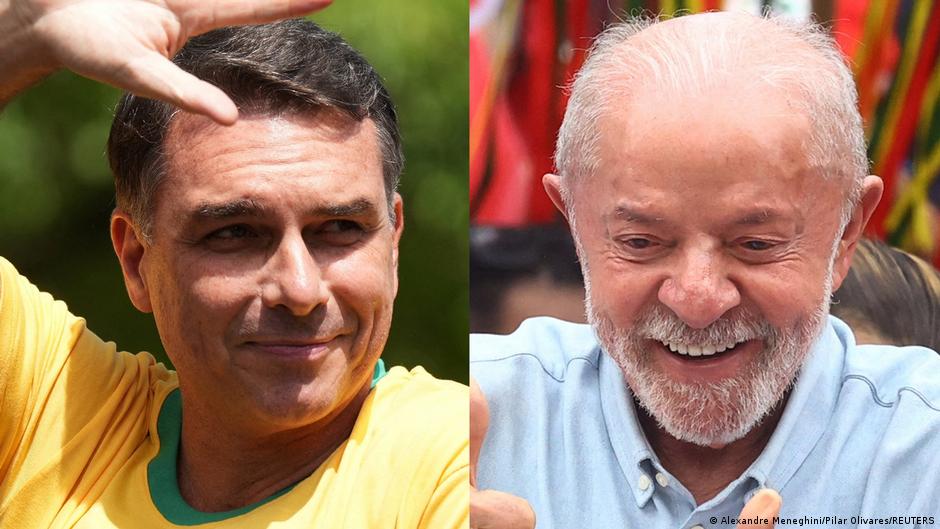
Flavio Bolsonaro led Brazil’s first-round presidential vote with 47.03%, sending the race against Lula da Silva to an Oct. 25 runoff.
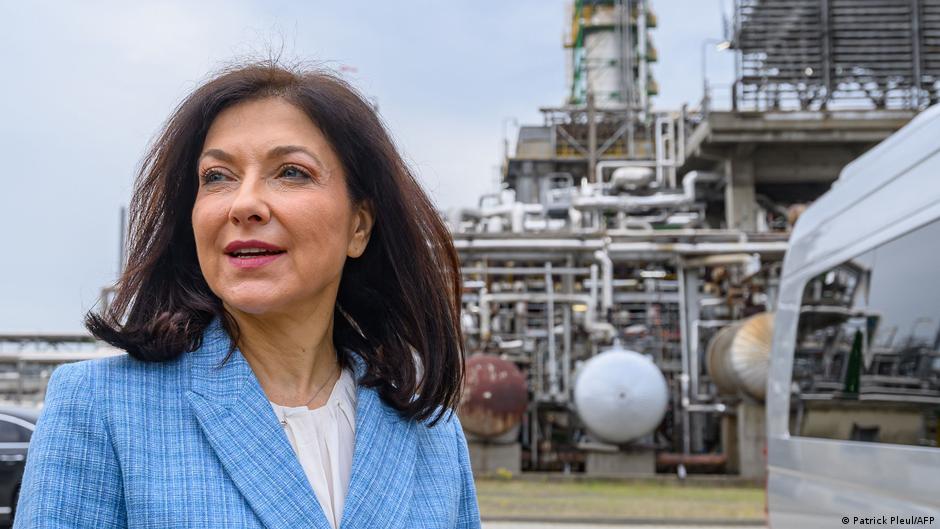
Germany’s economy minister warned that the Left Party’s Berlin win could damage investor confidence and threaten business conditions.
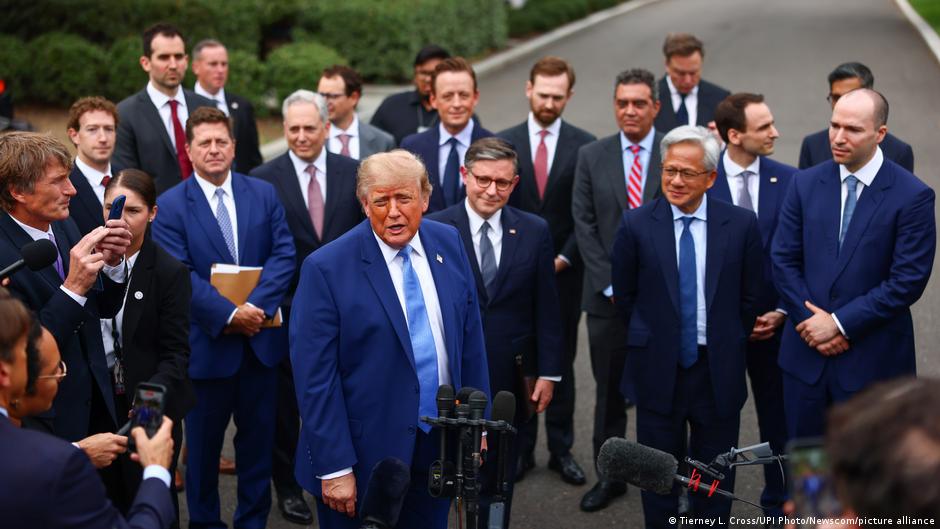
Major AI developers signed a voluntary Trump-backed agreement to monitor model risks, cooperate with auditors and shape future safety standards.
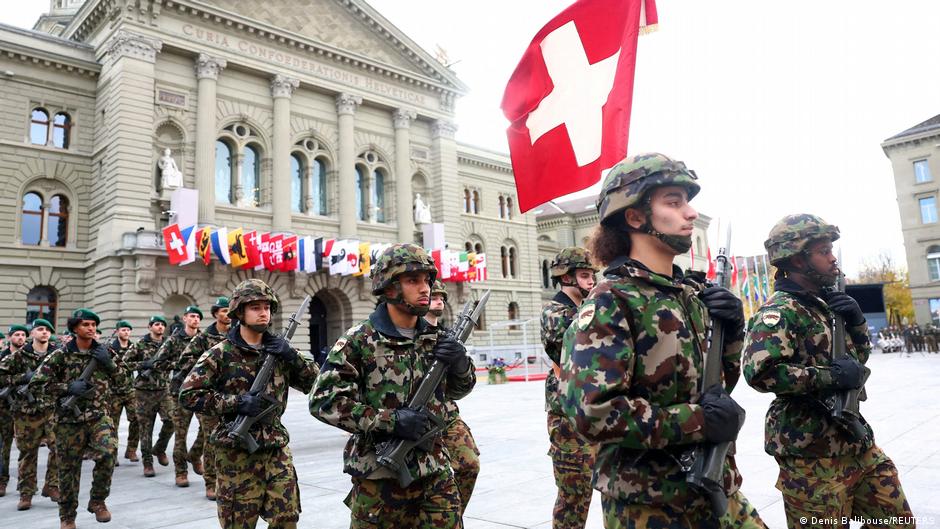
Swiss voters rejected a neutrality initiative that would have sharply limited sanctions policy, preserving flexibility on EU-aligned measures.
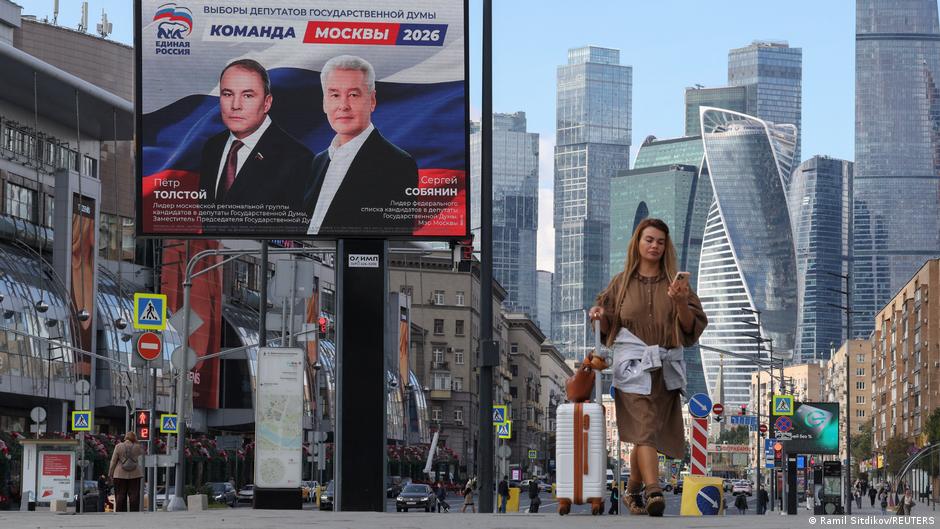
United Russia leads Russia’s Duma vote with 57.76% after 82.19% of protocols counted, signaling continued policy control.
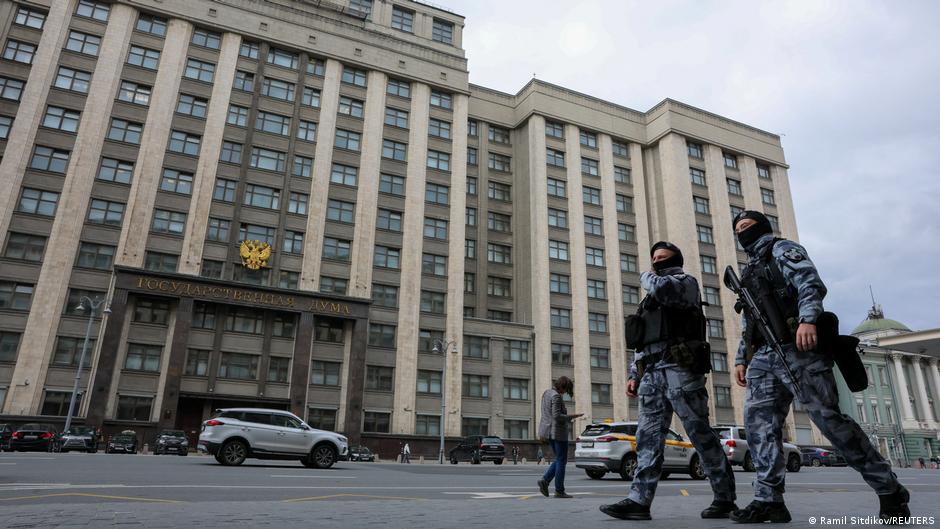
Russia opened three days of State Duma voting, including in occupied Ukrainian territories, as markets watch sanctions and governance risk.
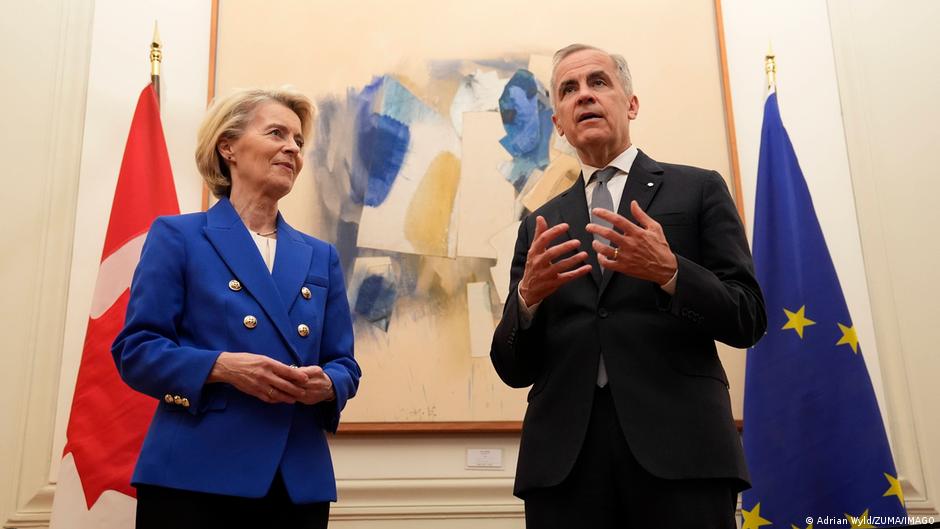
Canada is negotiating to join the EU’s €90 billion Ukraine loan program, with a contribution target expected before an October summit.

France warned CNews it could face criminal proceedings if expelled ex-RT France chief Ksenia Fedorova returns to air by video link.
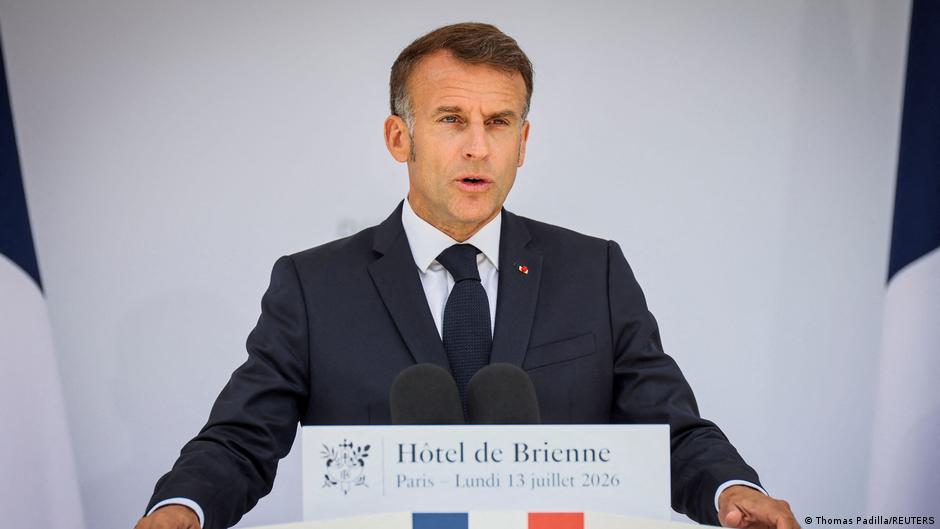
Macron is asking Brussels for an EU-wide social media ban for under-15s after France’s Constitutional Council blocked a national law.
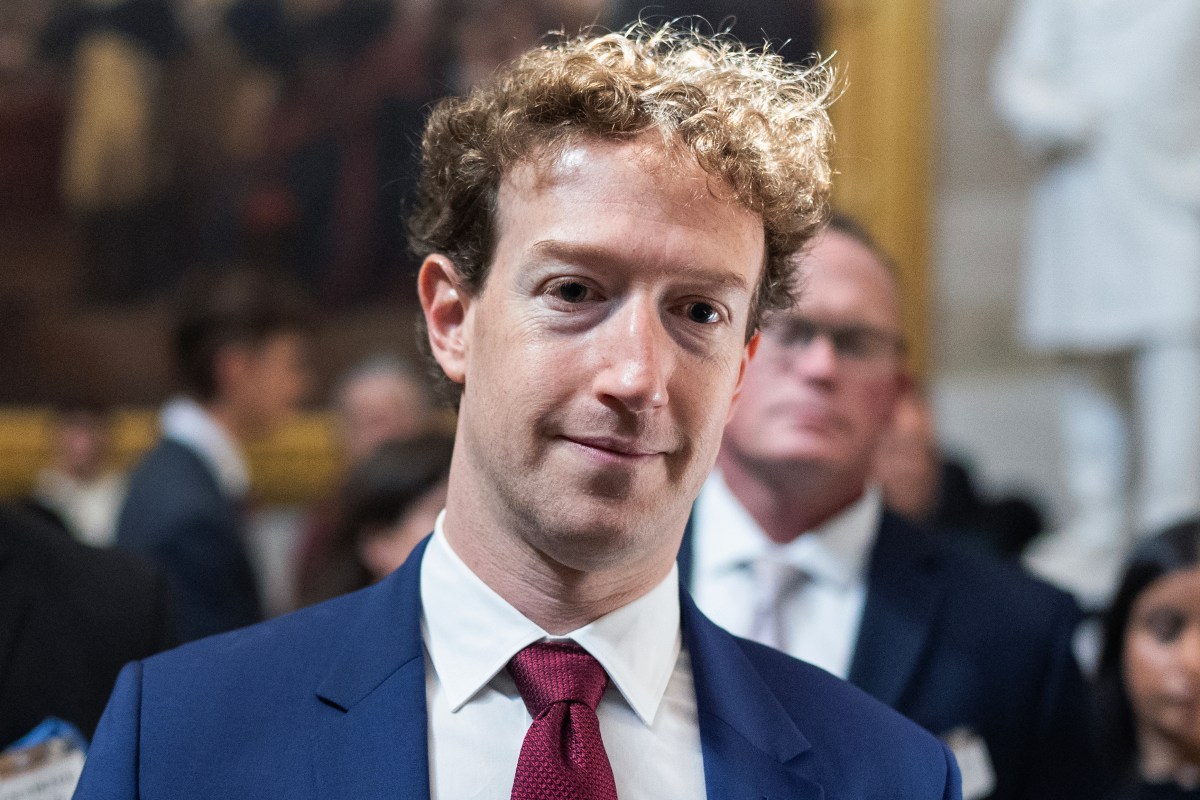
Meta’s $18B settlement mandates new child-safety design changes dependent on age-verification tech that remains unreliable, signaling major shifts in social media regulation and user experience.
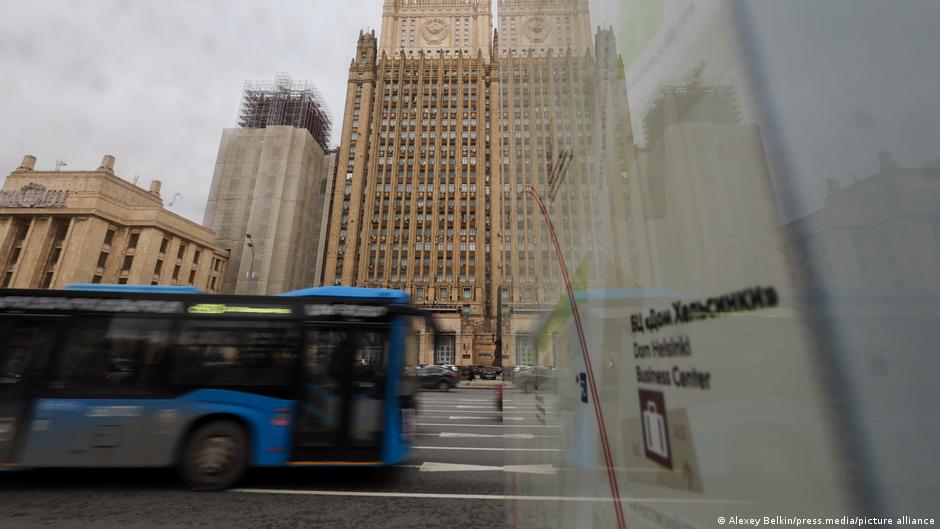
Russia permits people missing limbs to drive buses, trams, and trucks, expanding employment opportunities for war veterans and leveraging automation advancements.
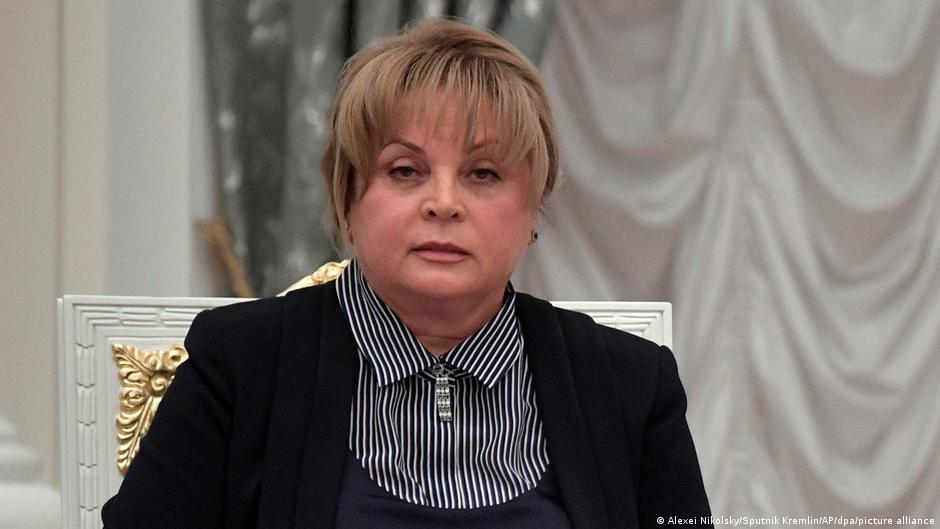
Russia's election chief calls for stripping voting rights from emigrated citizens and urges lawmakers to reconsider electoral rules for 'foreign agents' amid increased political controls.
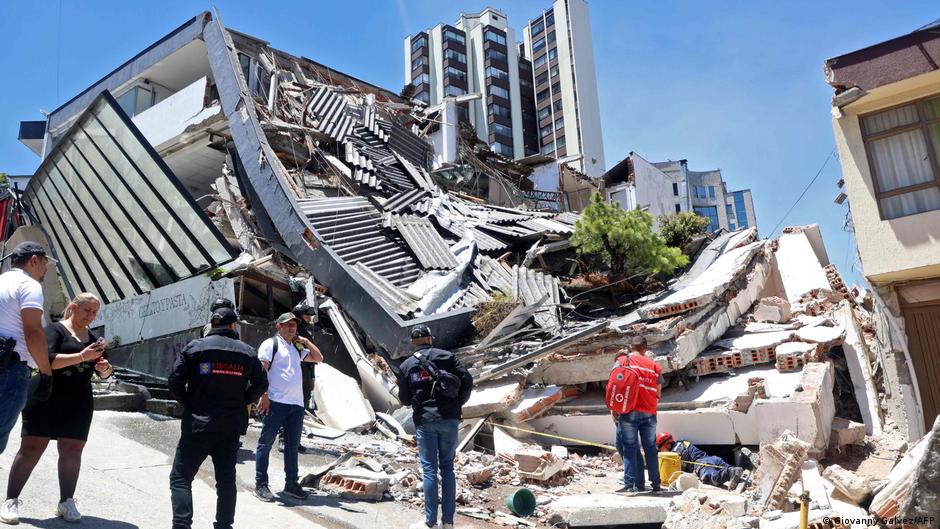
Colombia has declared a national emergency after a 7.4 magnitude earthquake caused 132 deaths and significant damage, prompting U.S. aid and mobilization of rescue efforts.
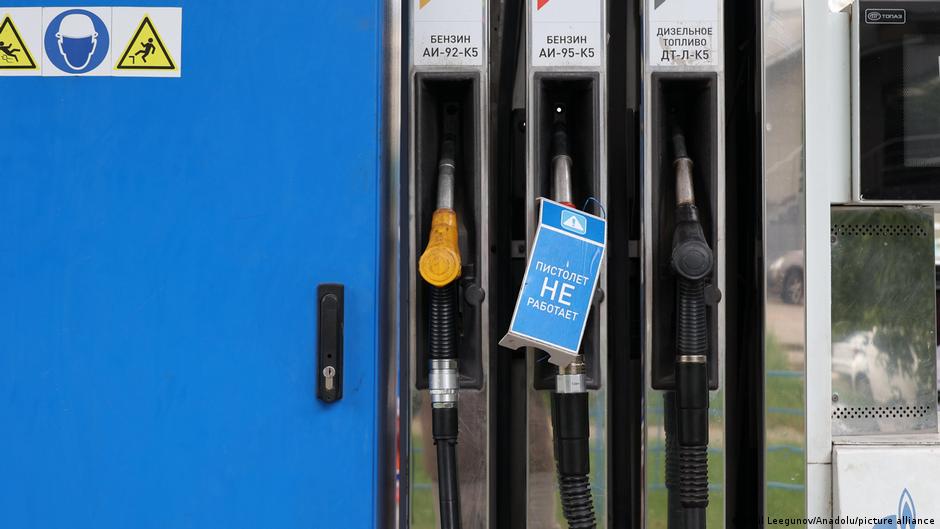
Russia extends permission to sell Euro-2 to Euro-4 fuels until July 2027 to mitigate supply shortages from refinery damage caused by military strikes.

Uzbekistan introduces subsidies covering up to 50% of costs for entrepreneurs building modern swimming pools, aiming to boost tourism and sports infrastructure by 2028.
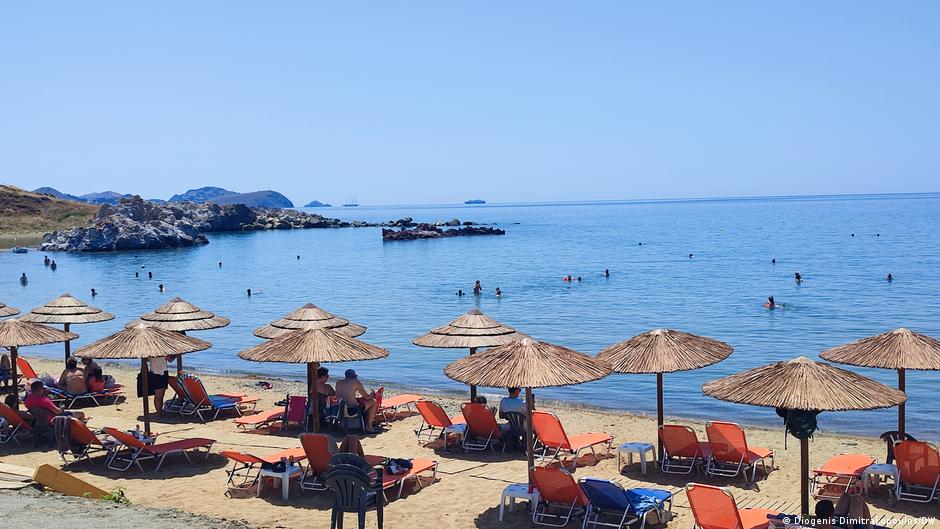
Greece has sharply increased Schengen visa denials for Russian travelers, with refusal rates up to 70%, disrupting tourism amid tightened EU visa rules.
Montenegro will end visa-free travel for Russian and Belarusian citizens after October 31, 2026, aligning with EU visa policies amid its EU accession process.
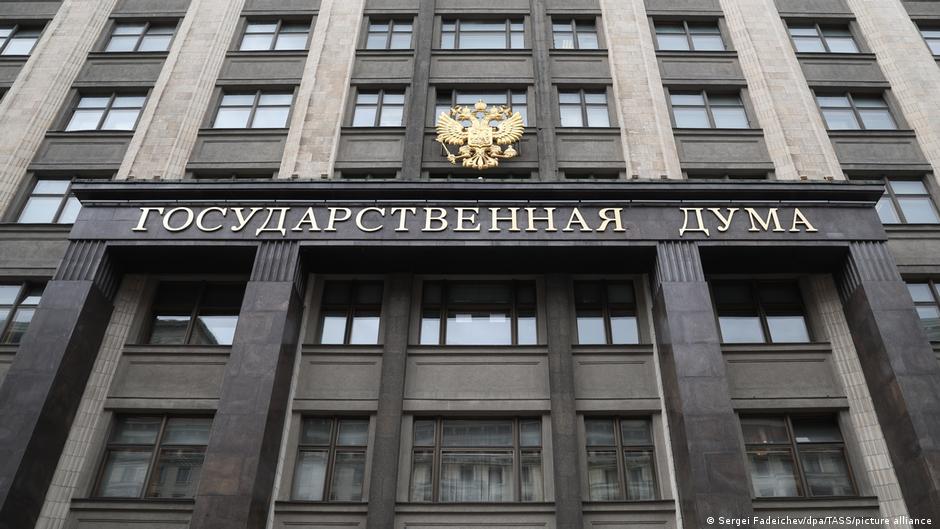
Russia’s State Duma revises fuel dampener and compensation rules to curb price swings amid export restrictions and refinery disruptions.

Right-wing businessman Abelardo de la Espriella leads Colombia's presidential runoff, signaling a turn toward tougher security policies and economic deregulation.
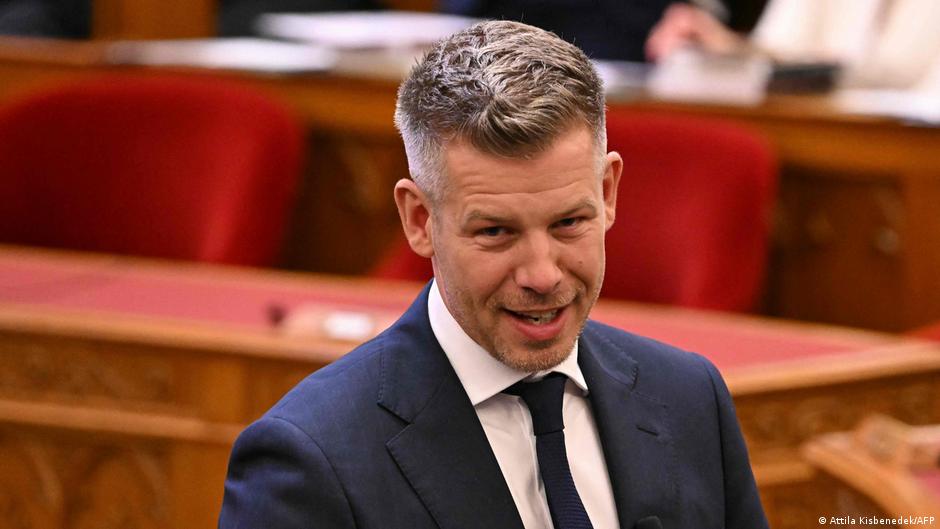
Hungary swiftly reinstates ban on Ukrainian agricultural imports and reverses ICC withdrawal, affecting regional trade flows and market dynamics.
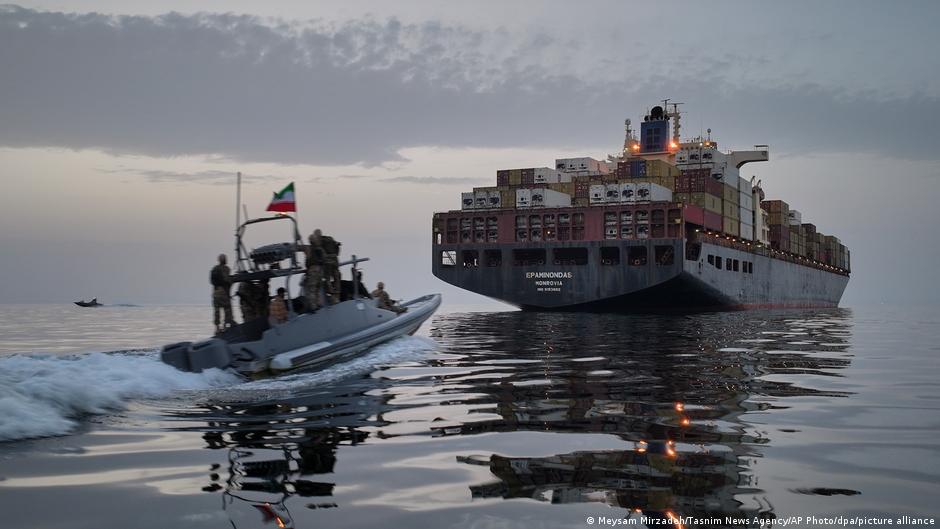
Iran requires tankers to submit detailed vessel information before transiting the Strait of Hormuz amid rising regional tensions and U.S. naval operations.

Jean-Luc Mélenchon confirms his candidacy for the 2027 French presidential election, setting a polarized political stage amid Macron's exit.

Uzbek banks now require a minimum card balance of 1.236 million UZS to remain during automatic debt repayments, preventing full depletion of funds.
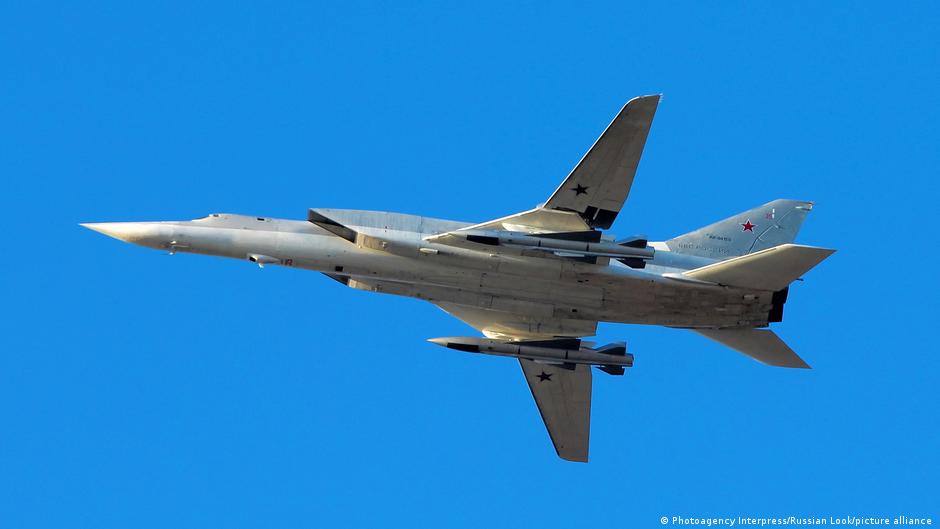
NATO jets intercepted Russian bombers and fighters over the Baltic Sea during a planned flight on April 20, escalating airspace monitoring amid regional tensions.