Russian Election Chief Advocates Stripping Emigrated Citizens of Voting Rights Amid Political Tensions
Ella Pamfilova proposes barring Russians who left the country from voting and calls for Duma to address electoral rights of 'foreign agents'.
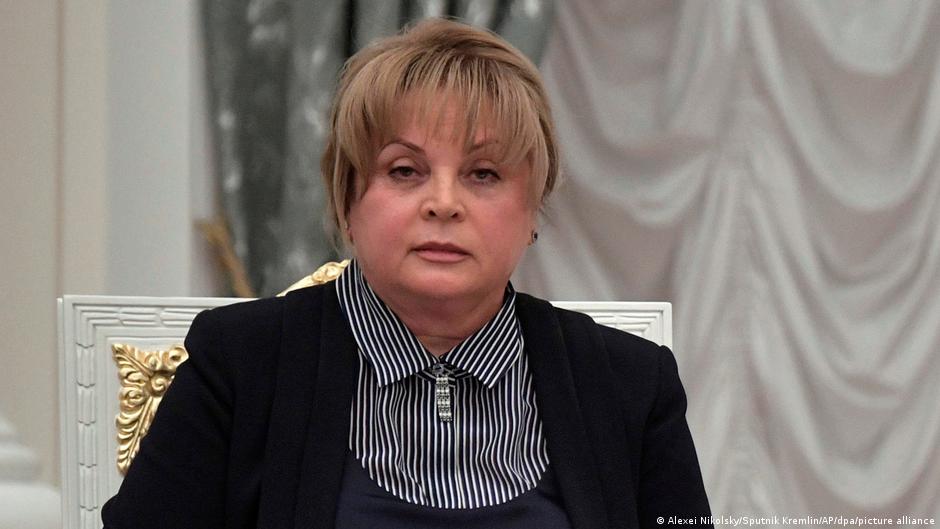
Ella Pamfilova, head of Russia's Central Election Commission (CEC), expressed a firm stance on restricting voting rights for Russian citizens who have emigrated, suggesting that those who have left the country should be deprived of their right to vote. Her comments come amid ongoing political tensions and debates over the status of so-called "foreign agents" and the voting participation of Russians abroad.
Voting Rights and 'Foreign Agents' Status Under Scrutiny
In an interview with a Russian radio outlet, Pamfilova stated,
"I believe that if someone has left the country, they have betrayed it — they should be out."She emphasized that the question of whether "foreign agents" can vote in Russian elections should be resolved by the newly elected State Duma deputies.
The term "foreign agents" in Russia refers to individuals and organizations labeled as receiving foreign funding and engaging in political activity, a designation that imposes strict regulations, including extensive reporting and public labeling requirements. This registry, established in 2012, initially targeted non-profit organizations but has since expanded to include media outlets and individuals.
Pamfilova explained that the CEC has advised Russian ambassadors in countries deemed "unfriendly" by the Russian government to engage host nation authorities on ensuring the security of elections. According to her, this is critical due to the active political engagement of Russians who have fled the country. She also mentioned ongoing coordination with the Ministry of Foreign Affairs and diplomatic staff to mitigate any risks related to overseas voting.
Legal and Political Implications for Russian Citizens Abroad
When asked whether restrictions on voting rights should be linked to the "foreign agent" status, Pamfilova indicated confidence in Russian law enforcement's ability to comprehensively identify individuals who should be deprived of the right to influence Russia's future through voting.
The designation as a "foreign agent" carries significant consequences, including heightened governmental scrutiny, fines, restrictions on income, and bans on holding certain positions. Entities and individuals must label their publications accordingly, with penalties for non-compliance ranging from large fines to criminal charges. Efforts to contest this status in court have generally been unsuccessful.
These developments reflect a broader trend of restricting the political participation of Russians residing abroad, particularly those perceived as politically oppositional or dissident. The CEC's position signals a continuing hardening of Russia's electoral policies in the context of geopolitical tensions and internal political control.
As the new State Duma convenes, legislative changes regarding electoral rights and the treatment of "foreign agents" are anticipated, potentially reshaping the landscape of Russian elections and citizen engagement both domestically and abroad.