NATO Intercepts Russian Bombers and Fighters Over Baltic Sea in Planned Flight
French and allied NATO jets intercepted Russian strategic bombers and fighters during a scheduled patrol over neutral Baltic waters on April 20.
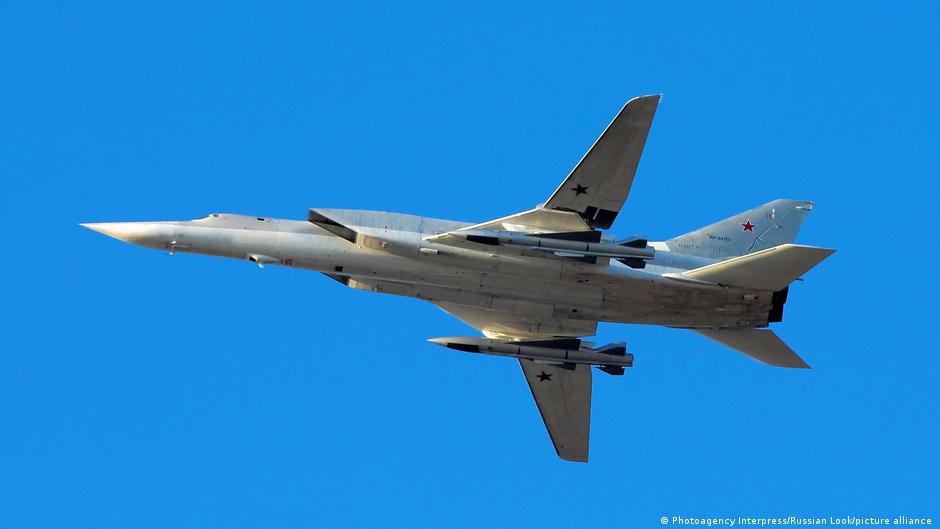
On April 20, NATO aircraft intercepted a group of Russian bombers and fighter jets flying over the Baltic Sea, according to military sources from allied nations. The Russian Ministry of Defense stated that the flight was planned and conducted over international neutral waters.
Multinational NATO Response to Russian Military Flight
French Rafale jets, along with fighters from Sweden, Finland, Poland, Denmark, and Romania, intercepted Russian strategic bombers during their transit over the Baltic Sea. The Russian formation included supersonic missile-carrying bombers Tu-22M3 and fighter jets Su-30 and Su-35.
The French military command reported on April 21 that Russia deployed two Tu-22M3 bombers sequentially, accompanied by approximately ten Su-30 and Su-35 fighters. The interception involved a coordinated effort by NATO nations to monitor and escort the Russian aircraft.
A journalist from Associated Press witnessed two Rafale pilots scramble from the airbase in Šiauliai, Lithuania to intercept the Russian planes.
The Russian Defense Ministry reiterated that this long-range flight lasted more than four hours, occurring strictly over neutral waters, and was conducted in accordance with international aviation rules. The ministry noted that on certain parts of the route, the Russian bombers were shadowed by foreign state fighters.
"The flights are conducted in strict compliance with international regulations," stated the Russian Ministry of Defense.
Heightened Tensions and NATO Air Patrol Activity
According to Lithuania's Ministry of Defense, NATO pilots scrambled four times between April 13 and April 19 to intercept Russian aircraft violating flight regulations. These violations reportedly included turning off transponders, operating without flight plans, and failing to communicate with air traffic control.
This sequence of interceptions reflects increased NATO vigilance in response to Russian military air activities near allied airspace. The coordination among NATO countries to monitor and escort these flights demonstrates the alliance's focus on maintaining situational awareness and deterring potential airspace incursions.
Market analysts note that geopolitical tensions, including airspace confrontations over the Baltic region, often influence regional energy and defense sector stocks, as well as investor sentiment toward European markets.