Russian State Duma Revises Fuel Dampener Mechanism to Stabilize Domestic Prices
Amendments to the Tax Code adjust fuel supply rules and compensation schemes to curb price volatility in Russia's fuel market.
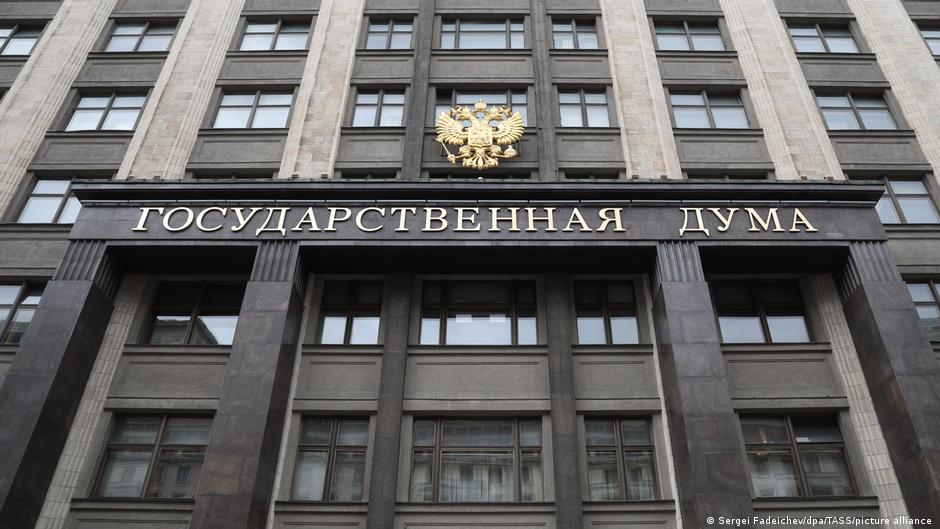
The Russian State Duma has approved a set of amendments to the Tax Code aimed at stabilizing domestic fuel prices. The legislation, adopted in its second and third readings, modifies the fuel dampener mechanism, trading rules on exchanges, and compensation conditions for imported diesel fuel, as officially published on July 21.
Key Changes to Fuel Market Regulation
The fuel dampener system, a government subsidy framework compensating oil companies for costs incurred when supplying fuel to the domestic market, is being adjusted to enhance supply and reduce price fluctuation risks. This follows earlier government measures that reduced mandatory gasoline sale quotas on exchanges and capped oil product exports to meet internal demand.
One notable amendment expands the scope of deliveries considered when calculating minimum mandatory fuel sales quotas on the exchange. Volumes sold outside the exchange under government-defined conditions will now count toward these quotas.
"This initiative largely addresses requests from the agricultural sector," explained Deputy Finance Minister Alexey Sazanov, referencing discussions on direct contracts between refineries and authorized fuel suppliers for agricultural producers.
According to the law's developers, this approach aims to sustain sector-specific fuel supply chains without breaching mandatory exchange sales requirements.
The amendments also introduce fuel dampener payments for medium distillates—fuel types similar to diesel—effective from July 2026 through July 2027. This category includes diesel fuel varieties distributed in Russia's internal market.
Additionally, a compensation mechanism for imported diesel fuel is established, mirroring the existing scheme for gasoline. Authorities plan to refund part of importers’ costs via excise tax credits if imported fuel prices exceed Russian wholesale market prices. These payments will only apply during months when export restrictions on diesel fuel and aviation kerosene are concurrently active.
Compensation calculations for diesel imports from third countries will use Indian market prices as a benchmark, adjusted for delivery to Russian ports. India serves as a price reference point rather than an obligatory supplier.
Special provisions increase the compensation coefficient to 0.9 for diesel deliveries from Belarus, making such imports more financially attractive compared to the general scheme.
Market Context and Impact
The law’s enactment coincides with India's decision to nearly double export duties on diesel and aviation fuel. India is among the world's largest exporters of petroleum products, accounting for approximately 6% of global maritime shipments, according to analytics firm Kpler.
State Duma Chairman Vyacheslav Volodin expressed optimism that the legislative changes could yield observable effects shortly, expecting the adjustments to encourage additional fuel supplies domestically and build necessary reserves.
Deputy Prime Minister Alexander Novak highlighted on July 21 that government measures are already producing results. Key stabilizing factors include export restrictions, increased production volumes, imports, and rescheduling maintenance at certain refineries.
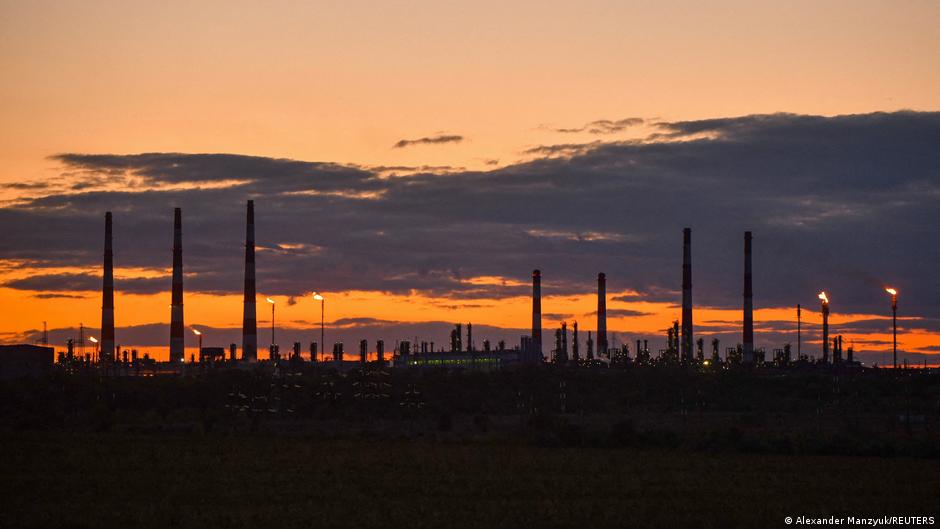
Earlier in 2026, Ukraine’s drone attacks targeted major Russian refineries, resulting in partial or full shutdowns of facilities with a combined capacity exceeding 83 million tonnes per year—approximately 25% of Russia’s total refining capacity. These plants previously produced over 30% of the country’s automotive gasoline and about 25% of diesel fuel, prompting heightened regulatory intervention and pursuit of alternative supply sources.