Russia Permits Sale of Lower-Grade Fuels Until Mid-2027 Amid Energy Crisis
Russian government allows production and sale of Euro-2 to Euro-4 fuels until July 2027 to address supply shortages caused by military strikes.
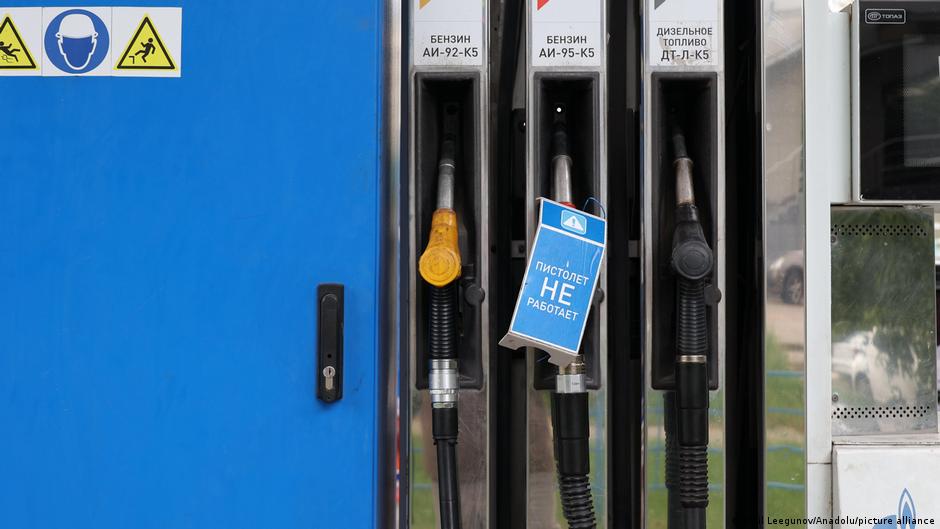
The Russian government has authorized the production and sale of lower environmental class fuels—specifically Euro-2, Euro-3, and Euro-4 grades—until July 1, 2027. This extension represents a temporary, crisis-response measure aimed at alleviating acute fuel shortages across the country.
According to an announcement from Russia's Ministry of Energy on August 5, the regulation reverses earlier policies that mandated higher-grade Euro-5 fuel standards with reduced sulfur content by the end of 2026. The ministry emphasized that fuel stations will now clearly display information regarding the environmental class of the fuel they offer to consumers.
Temporary Measures Amid Critical Fuel Supply Disruptions
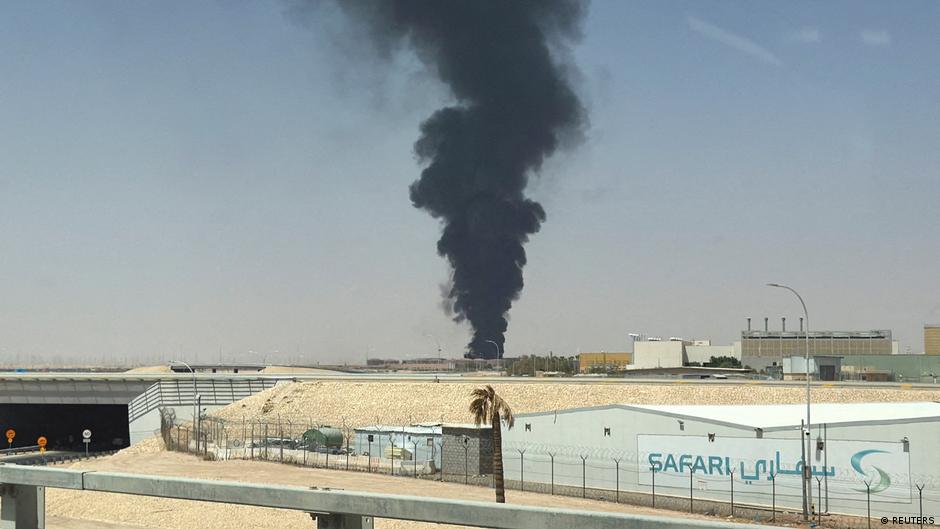
The decision is part of a broader set of anti-crisis measures designed to balance quality requirements with the urgent need to maintain fuel availability. The energy sector crisis in Russia has been exacerbated by sustained military attacks on oil refineries and energy infrastructure, notably by Ukrainian armed forces.
“This temporary decision aims to secure fuel supplies despite ongoing disruptions to refining capacities,” the Ministry of Energy stated, underscoring the exceptional nature of the policy shift.
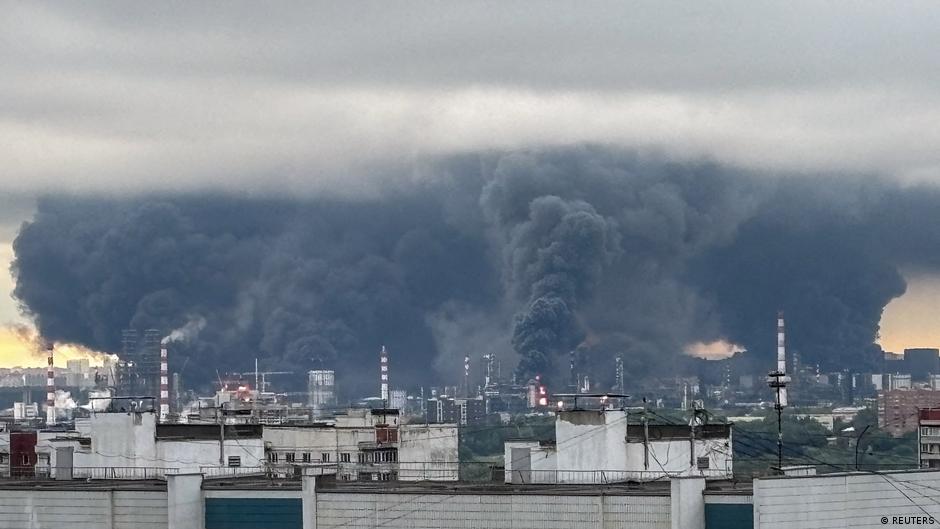
One of the most significant impacts was the damage inflicted on Moscow's Kapotnya Oil Refinery, which supplies approximately 40% of the capital's fuel. The refinery was hit twice within a single week in late May, resulting in an outage expected to last until late 2026 or early 2027.
Market data from Reuters indicates that gasoline production in Russia plunged by 25% in June 2026 compared to June 2025, falling to 85,000 tons per day—well below the summer demand of around 110,000 tons daily. Consequently, fuel sales restrictions have been implemented across more than 40 Russian regions.
Implications for Production and Vehicle Compatibility
Allowing the use of lower-grade fuels facilitates the processing of crude oil without deep refining and enables the utilization of production capacities previously incapable of producing higher-quality fuels. According to Dmitry Prokofiev, communications director at NEFT Research, this policy could increase gasoline output by several hundred thousand tons monthly but is unlikely to fully offset the shortfall caused by damaged infrastructure.
However, this shift raises concerns about vehicle safety and compliance. A significant portion of modern automobiles may not be compatible with lower environmental class fuels, which could have adverse effects on engine performance and emissions standards.
As the Russian energy market navigates these extraordinary circumstances, real-time monitoring of fuel production, trading volumes, and regional supply restrictions will remain critical for stakeholders across sectors.