Uzbek Government Offers Subsidies Covering Up to 50% of Modern Swimming Pool Construction Costs
Entrepreneurs can receive state funding for half of expenses, up to 100 million soms, to build modern swimming pools between 2026 and 2028.
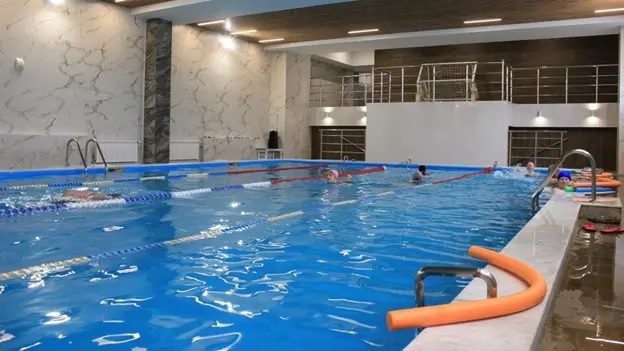
The Uzbek government has approved a new administrative regulation to support entrepreneurs constructing modern swimming pools. According to the decree, businesses planning to build and launch swimming pool facilities can now receive subsidies covering up to 50% of their construction and commissioning costs, with a maximum payout capped at 100 million Uzbek soms.
State Support Program Details
This subsidy program targets the first 100 modern swimming pools commissioned between February 1, 2026, and January 1, 2028. The aim is to stimulate investment in health, tourism, and sports infrastructure across the country, creating jobs and fostering profitable business opportunities.
Entrepreneurs interested in participating must submit their applications to the Tourism Committee via the State Services Center or the Unified Interactive Public Services Portal (YaIDXP). Once the Tourism Committee approves the reimbursement of expenses, the subsidy funds will be transferred to the applicant's bank account within 10 working days.
"Modern swimming pools not only promote a healthy lifestyle but also contribute to regional tourism development and job creation," the government statement emphasized.
By leveraging this government-backed subsidy, businesses can reduce financial risks and accelerate project implementation, enhancing the recreational and sports infrastructure in Uzbekistan.
Market Implications and Sector Outlook
This initiative may trigger an uptick in construction and related sectors, including building materials, engineering, and sports facility management. The focus on modern pools aligns with growing domestic demand for wellness and leisure amenities, potentially attracting both local residents and tourists.
Investors and market participants should monitor the rollout of this program closely, as it signals government commitment to diversify economic activities and bolster service sectors beyond traditional industries.