Greece Significantly Increases Schengen Visa Denials for Russian Travelers Amid Seasonal Peak
Up to 70% of Russian applicants are denied Greek Schengen visas during peak season, disrupting travel plans and highlighting tightening EU visa policies.
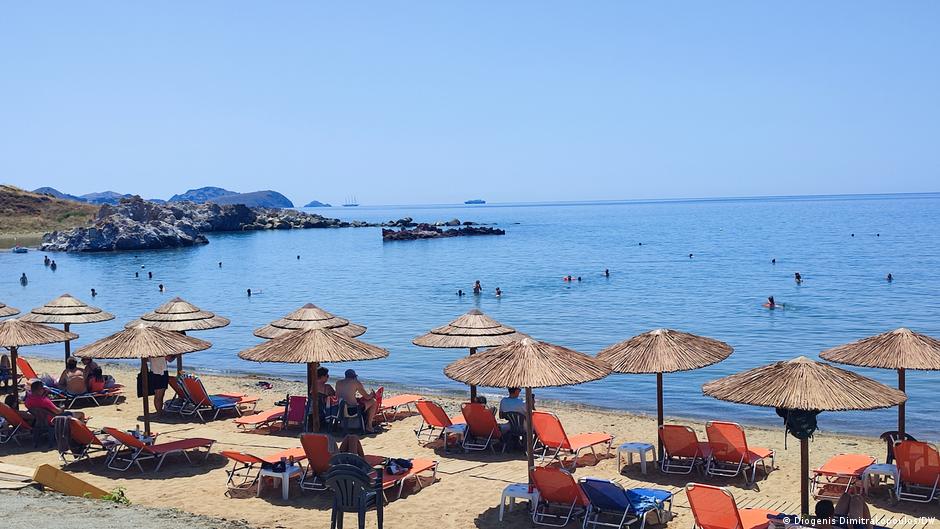
Greece has dramatically escalated the rate of Schengen visa denials for Russian citizens, with refusal rates reaching as high as 70% among independent travelers and up to 50% for clients of certain Russian tour operators during the peak tourist season. This development was reported on July 29 by the Russian Association of Tour Operators (ATOR), signaling a significant shift in access for Russians intending to visit Greece.
Surging Denials Impact Travel Industry and Independent Tourists
Russian tour operators have voiced concerns about the unprecedented volume of visa rejections. Even fully prepaid trips and stays confirmed by Greek hosting companies have not guaranteed visa approvals. In one notable case, a visa applicant who provided proof of Moscow-based property ownership and "impeccable" banking documents was denied twice.
"Direct refusals at this scale have not been observed before," a representative of a Russian travel firm remarked, expressing uncertainty about the underlying causes.
According to official statistics from 2025, Greece issued approximately 59,000 visas to Russian nationals, with 41.6% being multiple-entry visas. However, 11.2% of applications were rejected, which is noticeably higher than the 6.4% average rejection rate across the entire Schengen Zone.
At the broader Schengen level, Russian citizens obtained over 620,000 visas in 2025, marking a 10% increase compared to 2024. Applications for Schengen visas by Russians also increased by 8.42% to 674,000. However, the share of multiple-entry visas granted to Russians plummeted from 57% to just 12% within two months following the European Commission's decision to tighten visa regulations.
Shifts in Visa Issuance Patterns and EU Policy Impact
Nearly three-quarters of Schengen visa applications by Russians in 2025 were submitted to France, Italy, and Spain, which together issued 68% of all visas to Russian nationals. France notably increased its visa issuances to Russians by nearly 30%, approximately 173,000 visas, while Italy reduced its issuance by 5.8%, and Spain’s numbers remained largely stable compared to the previous year.
In November 2025, the European Commission imposed a ban on issuing multiple-entry visas to Russian citizens, citing security risks linked to the ongoing conflict in Ukraine. ATOR noted that this regulatory change forced Russian travelers who previously relied on multi-year multiple-entry visas to apply for visas more frequently, contributing to the overall surge in visa applications and complications in obtaining them.
This tightening of visa policies, coupled with the sharp increase in refusals specifically by Greece, reflects a broader trend of restricted travel access for Russian citizens within the European Union, with direct consequences for the tourism sector and market dynamics related to travel demand.
Market participants and observers will be closely monitoring further visa policy adjustments and their impact on travel volumes, sector rotation within the tourism industry, and broader economic indicators linked to cross-border mobility between Russia and EU member states.