Ukraine Halts Russian Refinery Strikes as US Vote Puts Fuel Markets in Focus
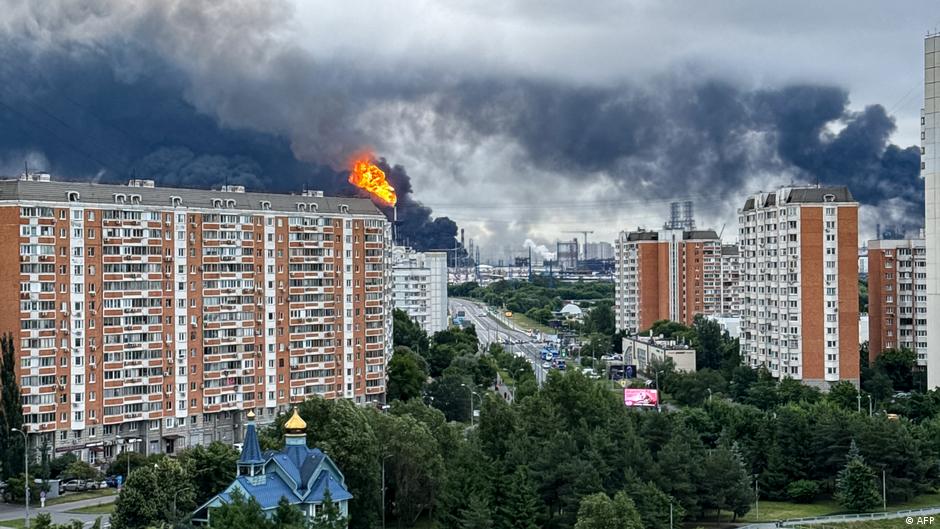
Ukraine has reportedly paused attacks on Russian refineries ahead of the US midterms, easing one near-term risk to global diesel and fuel supplies.

Ukraine has reportedly paused attacks on Russian refineries ahead of the US midterms, easing one near-term risk to global diesel and fuel supplies.

Trump paused steep Russia-linked tariffs, citing Ukraine peace talks, limited Russian support for Iran and concerns over global diesel supplies.

U.S. pressure on Ukraine’s PURL arms program adds new risk for energy and defense markets as Washington pushes for a refinery-strike halt.

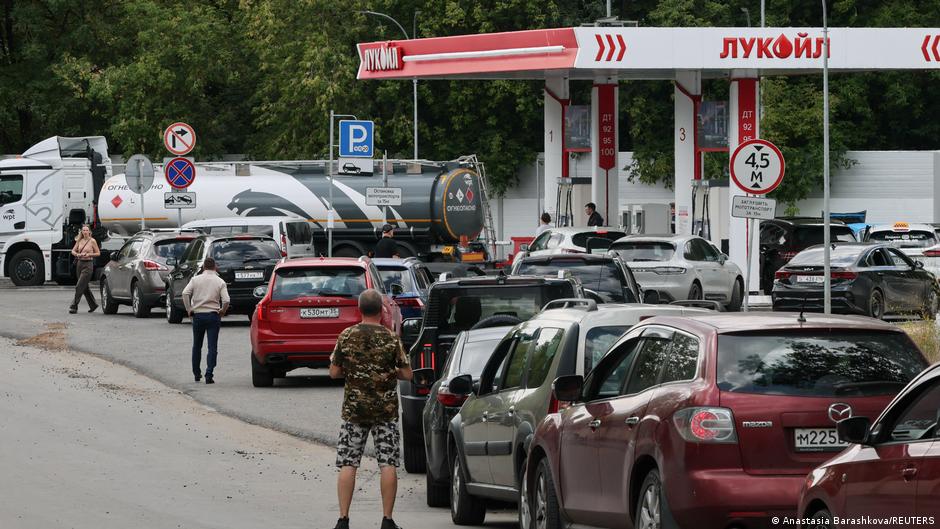
Kaluga Region and Zabaykalsky Krai are restoring gasoline-sale limits as refinery attacks and logistics disruptions tighten Russian fuel supply.

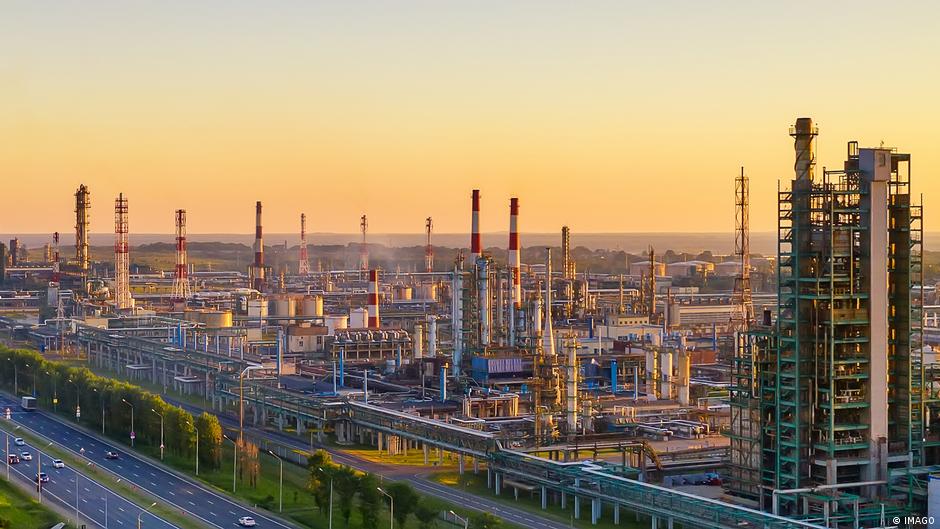
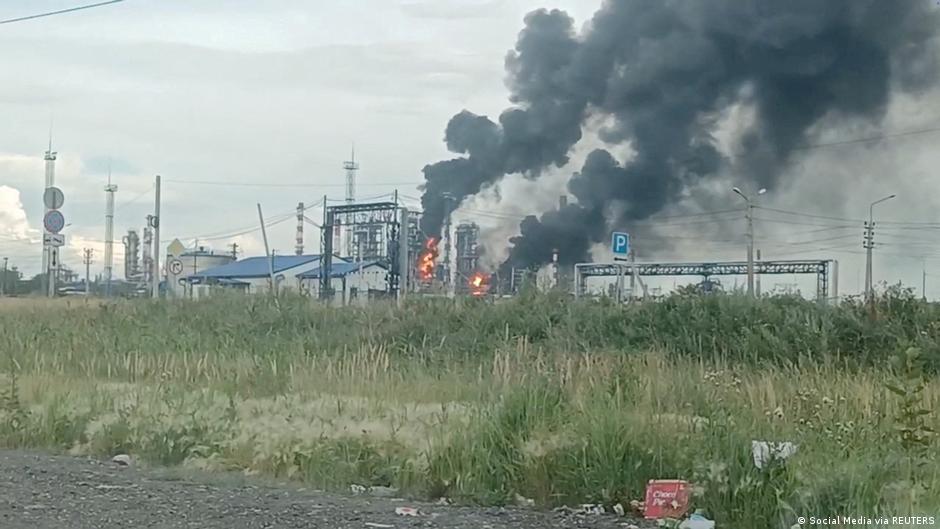
The Slavneft Yaroslavl refinery has halted processing and fuel shipments after drone strikes damaged key units, adding pressure to Russia’s fuel market.

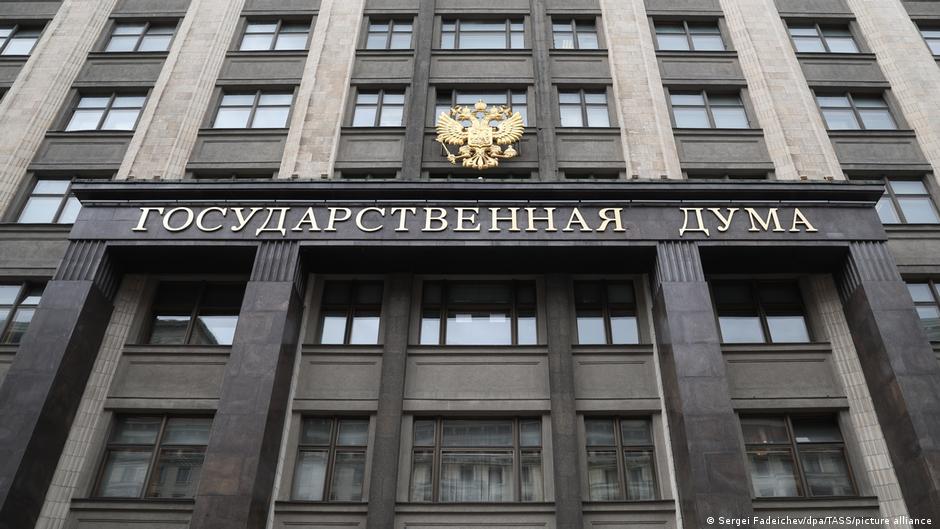
Russia’s State Duma revises fuel dampener and compensation rules to curb price swings amid export restrictions and refinery disruptions.

The Saratov oil refinery has suspended operations after Ukrainian drone attacks damaged its primary processing unit, exacerbating fuel shortages in Russia.

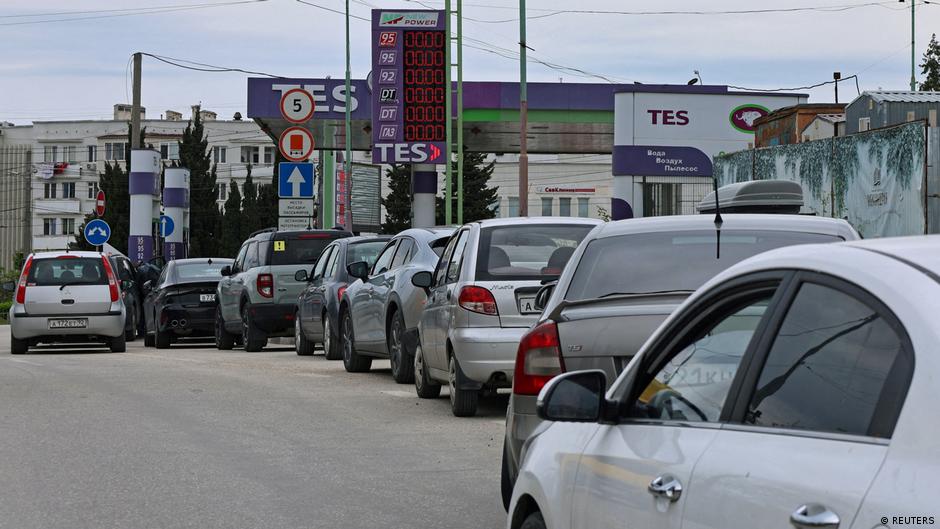
Fuel prices in Crimea nearly doubled in early July amid Russia's domestic supply shortages and export restrictions, with prices rising 78.4% on average for the week.

Russia permits circulation of higher-sulfur Euro-3 fuels domestically until 2026 to address fuel shortages caused by refinery strikes and supply disruptions.

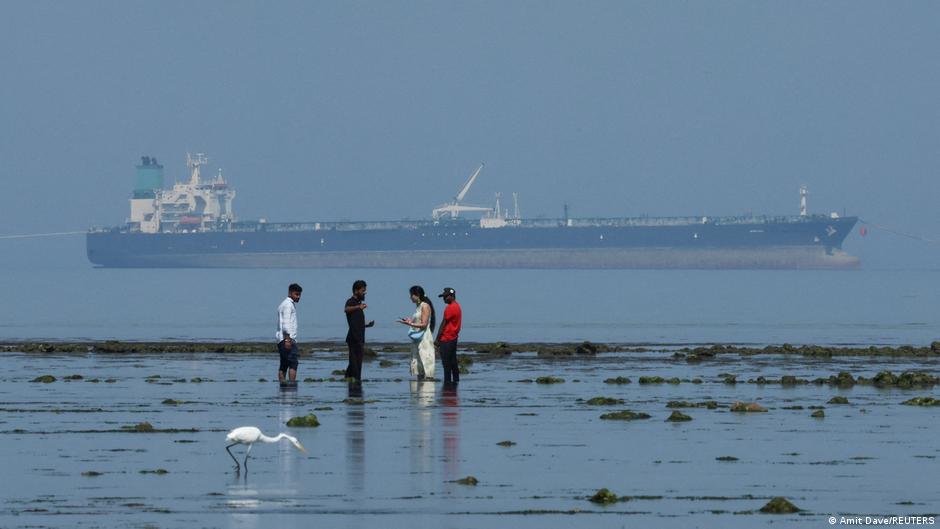
Russia's maritime oil exports surged to a 2026 high amid US-Iran negotiations that triggered a 16% drop in global oil prices, intensifying market competition and price pressures.

Russia plans a 1-2 month ban on diesel and aviation kerosene exports due to refinery disruptions caused by increased drone attacks on fuel plants.