Yaroslavl Refinery Halt Adds Pressure to Russia Fuel Market After Drone Strikes
The shutdown of a major Slavneft refinery serving the Moscow region deepens supply concerns after attacks disrupted key processing units.
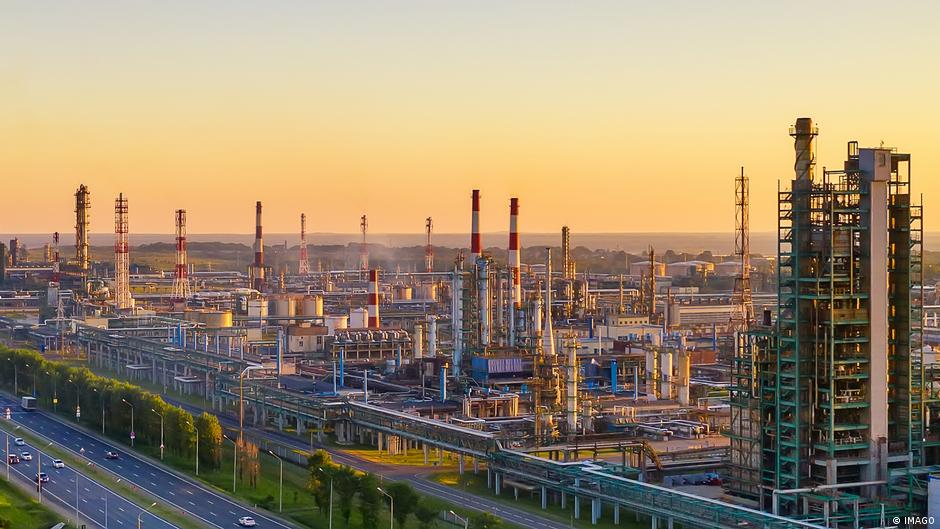
A major Russian oil refinery in Yaroslavl has halted crude processing and fuel shipments after drone strikes damaged key production units, according to Reuters, adding fresh stress to a domestic fuel market already under pressure from repeated attacks on refining infrastructure.
The Slavneft-Yaroslavnefteorgsintez refinery, known as YANOS, is one of Russia’s largest refineries and has supplied fuel to the Moscow region. Industry sources cited by Reuters said the plant stopped both oil processing and fuel loadings after another Ukrainian drone attack. The report was published on Thursday, September 17, and cited four industry sources.
The latest disruption follows a strike overnight on September 17 that damaged the AVT-3 crude processing unit, which accounted for 40% of the refinery’s capacity, according to the sources. Yaroslavl regional governor Mikhail Yevrayev confirmed damage and a fire at the refinery. The blaze took several hours to extinguish.
President Vladimir Putin has described fuel difficulties as “temporary,” while saying refinery attacks cannot influence events at the front.
The outage is notable for traders because it affects a refinery repeatedly identified among Russia’s top refining assets. Media reports have placed the Slavneft refinery in Yaroslavl among the country’s five largest oil-processing facilities by crude throughput, while the source article also notes that it is in Russia’s top 10 refineries.
Processing Capacity Removed From the Market
The damage to AVT-3 compounds an earlier hit to the same refinery. On the night of August 28, another unit, AVT-4, was taken out of service. That unit represented about 33% of YANOS capacity and had not resumed operations by the time of the latest report. After the attacks, YANOS stopped exchange-based fuel shipments.
AVT-3 alone could process about 17,000 metric tons of crude per day, according to the figures cited in the source. The refinery’s stated annual capacity is 15 million tons of oil. On an annual basis, the plant supplied markets with more than 2.6 million tons of gasoline and 4 million tons of diesel, while also serving fuel demand in the Moscow region.
For fuel markets, the issue is not only the loss of one unit but the cumulative effect of multiple facilities being offline or constrained. YANOS is now the second major refinery in the region to suspend operations in September because of the consequences of drone attacks. Since September 6, Rosneft’s refinery in Ryazan has not been shipping fuel. That facility has capacity of 17 million tons of oil per year.
The Yaroslavl plant has been targeted repeatedly by Ukrainian drones since the start of Russia’s full-scale war against Ukraine. In 2026 alone, fires occurred at the enterprise at least eight times, according to the source article.
Fuel Shortages Remain in Focus
Ukrainian strikes on Russian oil-refining facilities contributed to a fuel crisis in Russia over the summer. The Kremlin, and Putin personally, have been reluctant to acknowledge the scale of the problem. Putin has said the fuel difficulties are temporary and argued that attacks on refineries are not capable of affecting developments on the front.
Market stress has nevertheless been visible at the retail level. According to data from Gdebenzin, a service aggregating websites and services related to fuel searches in Russia, AI-92 and AI-95 gasoline were unavailable at roughly half of the country’s filling stations in mid-September. The indicators fluctuated from day to day, but a chart cited by Novaya Gazeta Europe showed that an acute fuel shortage has continued in Russia since mid-August.
That backdrop raises the market significance of each new refinery disruption. Refining outages can tighten regional product balances, reduce exchange shipments and intensify competition for available gasoline and diesel. In the Yaroslavl case, the shutdown affects a facility that had supplied the Moscow region and produced large annual volumes of both gasoline and diesel.
The latest developments also intersect with diplomacy around energy infrastructure. In mid-September, Kremlin spokesman Dmitry Peskov spoke positively about U.S. President Donald Trump’s idea of an “energy truce,” which would involve stopping Ukrainian attacks on Russian refineries. Asked whether Russia would in return stop strikes on Ukrainian infrastructure, Peskov did not answer.
For investors and commodity-market participants tracking Russian fuel flows, the Yaroslavl shutdown is another signal that refinery availability remains a moving variable in regional supply. With AVT-4 already idle since late August and AVT-3 now damaged after the September 17 attack, the refinery’s contribution to domestic fuel supply has been sharply reduced at a time when shortages are already being reported across the country.