Federal Reserve Lifts Benchmark Rate for First Time in Three Years
The Fed raised the federal funds rate by 25 basis points to 3.75%-4%, citing persistent inflation and drawing sharp criticism from Donald Trump.
The U.S. Federal Reserve raised its benchmark federal funds rate by 25 basis points to a target range of 3.75%-4% on Wednesday evening, September 16, marking the first increase in three years and setting a fresh tone for traders monitoring policy risk, inflation pressure and the next phase of rate-sensitive market moves.
The decision was framed by the central bank as a response to inflation that remains above target. For markets, the move reintroduces tightening risk after a period in which the Fed had repeatedly eased policy. The rate had been lowered three times in 2024 and three more times in 2025, according to Interfax, before Wednesday's reversal.
All 12 members of the Federal Open Market Committee voted in favor of the increase, according to the Fed's publication. The unanimous vote is likely to be read by investors as a strong policy signal, particularly because the move comes after several years without an increase and against a backdrop of elevated energy prices, political pressure and inflation running well above the Fed's 2.0% objective.
Inflation Reclaims Center Stage for Rate Traders
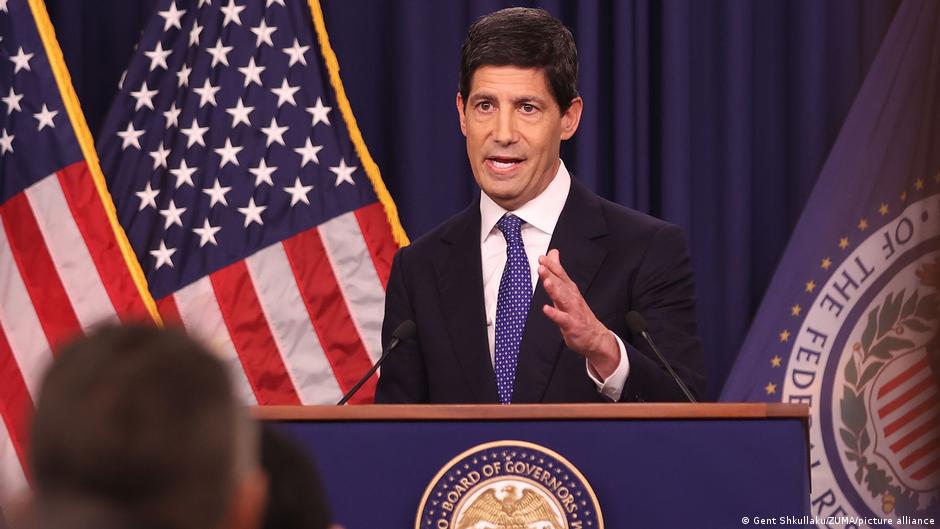
Fed Chair Kevin Warsh said at his September 16 press conference that the central bank's focus under its mandate is price stability. He described inflation as too high and too persistent, underscoring why officials moved despite prior expectations that policy would stay lower.
“Simply put, inflation is too high, and it has been going on for too long. That is a fact,” Warsh said.
Warsh noted that U.S. inflation has exceeded the 2.0% target for five years. In July and August of the current year, inflation stood at 3.4%. That data point gives fixed-income and equity traders a clear marker for the Fed's reaction function: inflation remains the decisive variable, even after several rounds of previous rate cuts.
The Fed's mandate differs from that of the European Central Bank, which is based in Frankfurt am Main. As AFP explains, the U.S. central bank has a dual mandate: price stability and a strong labor market. Wednesday's decision shows that, at least for this meeting, policymakers judged inflation risks to be sufficiently serious to warrant higher borrowing costs.
For market participants, the immediate implications run through the usual rate-sensitive channels. A higher federal funds range raises the bar for risk assets, can shift expectations across Treasury yields and affects pricing for sectors linked to credit conditions. Real estate, banks, consumer credit and highly leveraged companies are among the areas traders typically watch most closely after such moves.
Policy Shift Follows Warsh's Appointment
Kevin Warsh was nominated as Fed chair by U.S. President Donald Trump and took office in mid-May. He previously served on the Federal Reserve Board of Governors from 2006 to 2011. Before that, Warsh worked as a banker at Morgan Stanley, where he specialized in mergers and acquisitions. He also advised Trump on economic policy.
According to AFP, Trump had expected Warsh as Fed chair to ensure that interest rates remained low, a stance that would also have helped make real estate loans more affordable. The rate increase therefore carries a political dimension as well as a market one: the Fed's move directly conflicts with the president's preference for lower borrowing costs.
The inflation picture has been complicated by the U.S. and Israeli war against Iran, which has been ongoing since late February. AFP notes that the conflict has led to a sharp rise in energy prices and, as a result, has fueled inflation. For investors, that creates a familiar but difficult setup: monetary policy is tightening in response to price pressures that are partly linked to supply and geopolitical shocks.
Energy-linked inflation also matters for sector rotation. Higher energy prices can support parts of the energy complex while squeezing consumers and companies exposed to transport, utilities and input costs. At the same time, higher interest rates can weigh on growth-oriented equities and increase scrutiny of balance sheets across the market.
Trump Attacks FOMC Decision
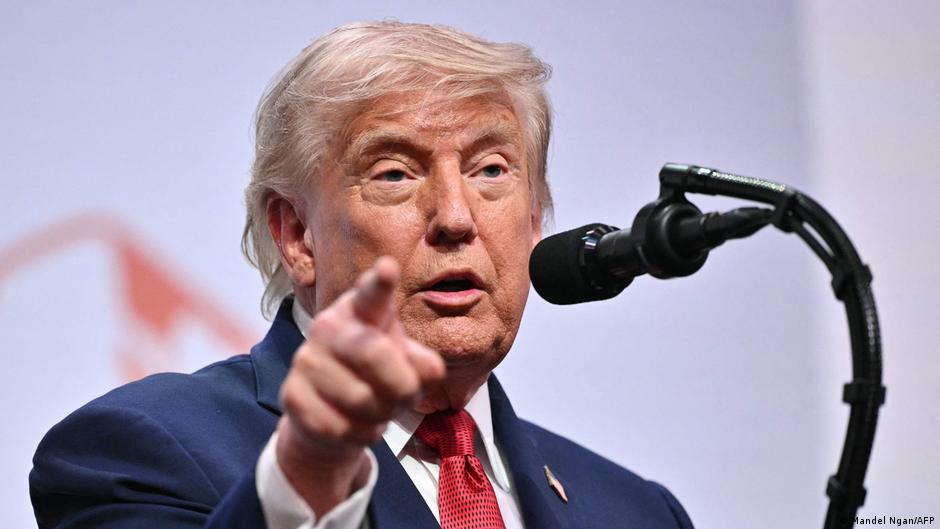
Donald Trump sharply criticized the FOMC's decision to raise the key rate, saying it was driven by “political motives.” Speaking to journalists in North Carolina on September 16, Trump said Warsh was “a good man,” but argued that he had to deal with hostile leadership.
“They raise the key rate to cause as much harm as possible to Trump,” Trump said, adding that officials were raising rates for political reasons.
The remarks highlight the pressure surrounding the Fed as it moves from a period of easing back into tightening. For markets, the criticism adds another layer of headline risk around future FOMC meetings, especially if inflation remains above target and the administration continues to demand lower rates.
The most important signal from Wednesday's decision is that the Fed is willing to prioritize inflation control even after three years without a rate increase. With the federal funds rate now at 3.75%-4%, traders will be watching incoming inflation data, energy prices and Fed communications for clues about whether this is a one-off adjustment or the beginning of a broader tightening cycle.
Until the next policy signals arrive, the unanimous FOMC vote gives markets a clear message: the central bank sees inflation as persistent enough to justify higher rates, even as political opposition intensifies and investors reassess positioning across rate-sensitive sectors.