Saratov Refinery Halts Operations After Ukrainian Drone Strike Amid Russian Fuel Shortages
Saratov oil refinery in Russia suspends work due to damage from Ukrainian drone attacks, impacting fuel production amid ongoing supply constraints.
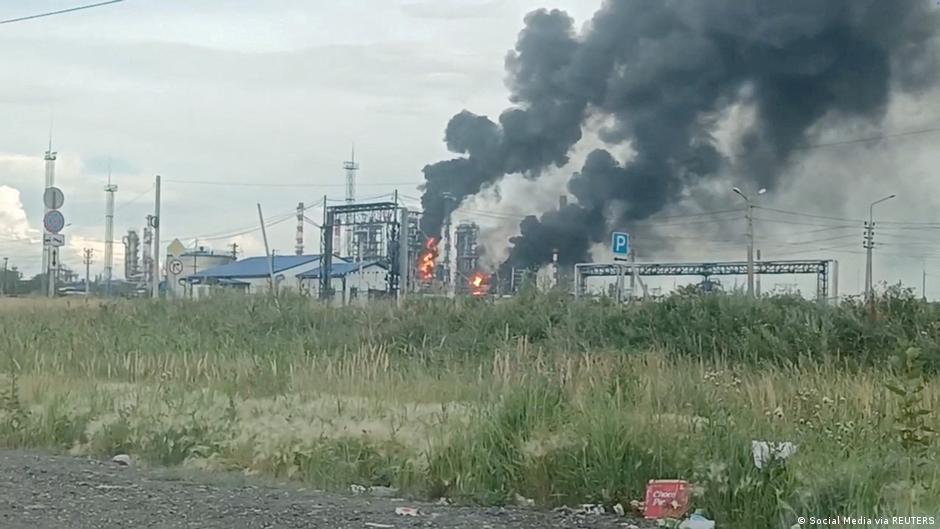
The Saratov oil refinery in Russia has ceased operations indefinitely following damage sustained during a Ukrainian drone strike, Reuters reported on July 9th citing two sources familiar with the situation. This development adds pressure to an already strained Russian fuel supply market experiencing persistent shortages.
Impact on Refinery Operations and Broader Market Supply
The targeted facility experienced damage to its primary crude distillation unit (CDU-6), which processed up to 20,000 tons of crude oil daily. This unit was the only installation of its kind at the plant, underscoring the significance of the blow to the refinery's capacity.
Governor of Saratov Oblast, Roman Busargin, confirmed on July 8 that objects of civil infrastructure were damaged in the drone attack but did not elaborate on specifics. The Ukrainian General Staff claimed responsibility for targeting the refinery, owned by Rosneft, marking yet another attack on critical energy infrastructure since the full-scale war between Russia and Ukraine began.
Rosneft did not respond to inquiries regarding the incident.
"The Saratov refinery’s primary distillation unit was incapacitated by the drone strike, affecting up to 20,000 tons of daily crude processing capacity."
In the first half of 2026, at least 13 Russian refineries have either partially or completely halted operations due to similar Ukrainian drone strikes, according to earlier data compiled by Novaya Gazeta Europe. Analysts estimate that these disruptions have removed approximately 25% of Russia's oil refining capacity and 30% of gasoline and diesel fuel production from the market.
The timeframes for these shutdowns vary significantly. For example, the refinery in Kapotnya near Moscow, struck in mid-June, is not expected to fully resume operations until at least December.
Fuel Supply Shortages and Market Reactions
The shutdowns have contributed to a gasoline shortage affecting roughly 50 million Russians—about 35% of the population—according to a Financial Times estimate based on regional driver statistics as of early July. This shortage has prompted local authorities and fuel suppliers to impose gasoline sales restrictions in most Russian regions.
Additionally, emergency preparedness measures have been declared in several regions including the Zabaykalsky Krai, Penza, and Irkutsk oblasts. The Russian government has also banned diesel fuel exports until at least July 31, extending measures initially introduced in January 2026 which previously did not affect producers directly.
Deputy Prime Minister Alexander Novak stated that Russian oil refining companies are responding to the crisis by increasing utilization rates of active plants to maximum levels, releasing previously stockpiled fuel volumes into the market, shortening ongoing maintenance periods, postponing planned repairs, and leveraging capacities at medium and small refineries.
These combined efforts aim to mitigate supply disruptions, but the impact of repeated drone strikes continues to challenge Russia’s energy sector resilience amid the ongoing conflict.