Russia Allows Sale of Euro-3 Standard Fuel Domestically Until End of 2026 Amid Supply Crisis
Russian government permits circulation of higher-sulfur Euro-3 gasoline and diesel fuels to stabilize domestic market until 2026, excluding EAEU export.
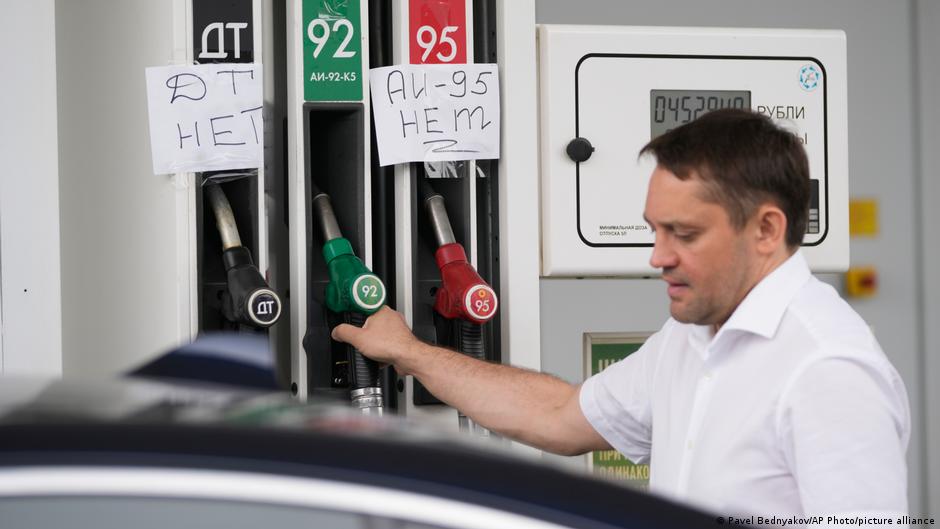
In a move to mitigate the ongoing fuel supply crisis, the Russian government has authorized the continued circulation of gasoline and diesel fuels meeting the outdated Euro-3 environmental standard until the end of 2026. This decision, formalized on July 2 by Prime Minister Mikhail Mishustin, permits the sale of fuels with a higher sulfur content domestically but prohibits their export to other Eurasian Economic Union (EAEU) member states.
Details of the Euro-3 Fuel Standard and Market Impact
The Euro-3 standard, which was in effect in Europe from 2000 to 2005, allows sulfur concentrations in gasoline up to 150 mg/kg and up to 350 mg/kg in diesel. By contrast, the more stringent Euro-5 standard restricts sulfur content to just 10 mg/kg in both gasoline and diesel, reflecting a 15- to 35-fold reduction compared to Euro-3.
According to the Russian Ministry of Energy, certain refineries will be authorized to produce and supply this Euro-3 grade fuel as part of preventive measures aimed at avoiding market destabilization amid current energy supply challenges. However, this fuel will not carry the unified product circulation mark used within the EAEU and will be barred from distribution in other member countries.
"The decision to lower fuel quality requirements allows utilization of crude oil without deep refining and enables production at facilities unable to meet higher standards," said Dmitry Prokofiev, communications director at NEFT Research. "However, Euro-2 standards may pose safety risks for many modern vehicles."
Earlier reports indicated that the government is also considering allowing production and sale of Euro-2, Euro-3, and Euro-4 class fuels on the domestic market until July 2027 and lifting import restrictions for such fuels. Notably, sales of Euro-2 gasoline have been banned in Russia since 2013.
Fuel Supply Crisis Driven by Attacks on Energy Infrastructure
The decision to relax fuel standards comes amid a sharp fuel shortage exacerbated by systematic strikes on Russian refineries and energy infrastructure by Ukrainian armed forces. In late May, Moscow’s Kapotnya refinery, responsible for approximately 40% of the capital’s fuel supply, was hit twice in one week, forcing a shutdown until late 2026 or early 2027.
Production data from Reuters reveals a 25% year-on-year decline in gasoline output to 85,000 tonnes per day in June, falling short of the summer demand estimated at 110,000 tonnes daily.
Regulatory measures limiting fuel sales are now reported in over 40 Russian regions, including occupied Ukrainian territories, with complaints of shortages from 85 regions. Analytical firm Kpler notes gasoline reserves have shrunk by several hundred thousand tonnes over the past three months. Russian President Vladimir Putin has formally acknowledged the shortage.
Market observers expect that the relaxation of fuel quality standards will help maintain supply continuity but warn of potential environmental and vehicle performance consequences. The move highlights the ongoing challenges faced by Russia’s energy sector amidst geopolitical conflict and infrastructure vulnerabilities.