US Significantly Scales Back Military Drills with South Korea Amid Geopolitical Shift
President Trump orders major reduction in joint US-South Korea exercises citing cost and diplomatic concerns with North Korea.
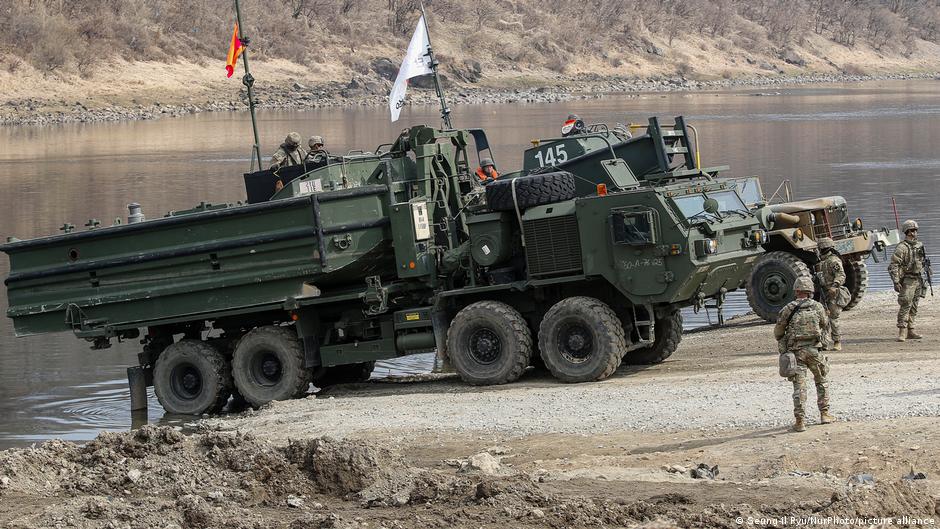
The United States will substantially reduce the scale of its joint military exercises with South Korea, following a directive from President Donald Trump, who expressed reservations about the drills' cost and their diplomatic impact.
Shift in Military Strategy and Regional Relations
On August 16, President Trump announced via his social media platform that he had instructed US Secretary of Defense Mark Esper to cut back on the upcoming Ulchi Freedom Shield exercises, traditionally held to prepare for potential aggression from North Korea. The 11-day drills, scheduled to start on August 17, have been a cornerstone of US-South Korea military cooperation for decades.
"These exercises are not only expensive, with the US bearing most of the costs (as usual!), but they also send an inappropriate and hostile signal to a country that, while I am president, has posed no threat and has behaved respectfully," Trump wrote, referring to North Korea.
Trump emphasized his "very good relationship" with North Korean leader Kim Jong Un as a key reason for scaling back the military maneuvers. He also criticized South Korea for not supporting the United States in its conflict with Iran, highlighting a shift in Washington's approach to its regional alliances.
Since the end of the Korean War in 1953, the US has maintained a strong military presence in South Korea, with approximately 28,500 American troops stationed there. The joint exercises have historically served as a deterrent against potential attacks from the North.
South Korean President Yoon Suk-yeol has pursued rapprochement with North Korea since taking office last year and recently proposed peace talks on August 15. However, as of this reporting, Pyongyang has not responded to the overture.
The reduction in military exercises signals a significant change in US policy towards the Korean Peninsula, reflecting evolving geopolitical dynamics and a recalibration of military commitments amid broader international tensions.