Germany, Austria Search Auto Exporters in Russia Sanctions Probe
Investigators allege 53 passenger cars and six tractor units were routed to Russia through third countries in breach of EU sanctions.
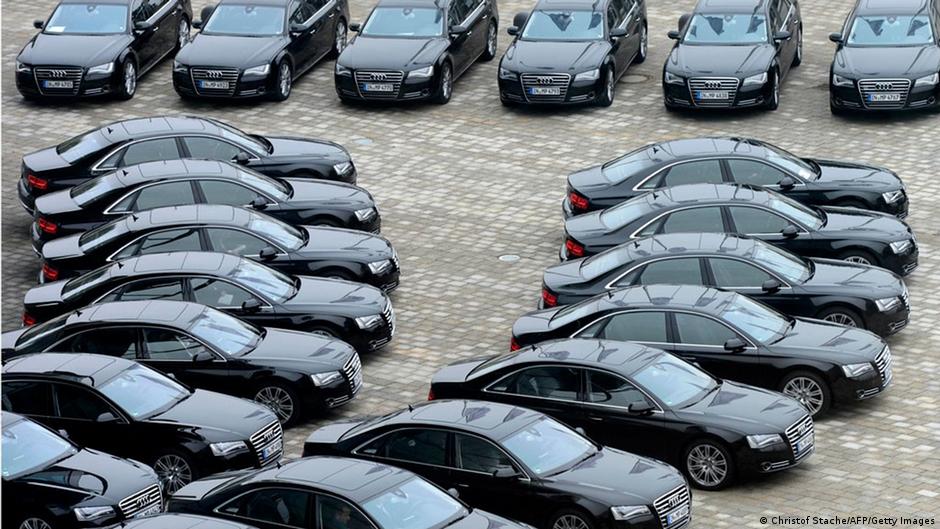
Authorities in Germany and Austria have searched properties linked to two businesspeople suspected of exporting vehicles to Russia through third countries in violation of European Union sanctions, in a case that underscores continuing enforcement pressure around high-value goods moving into the Russian market.
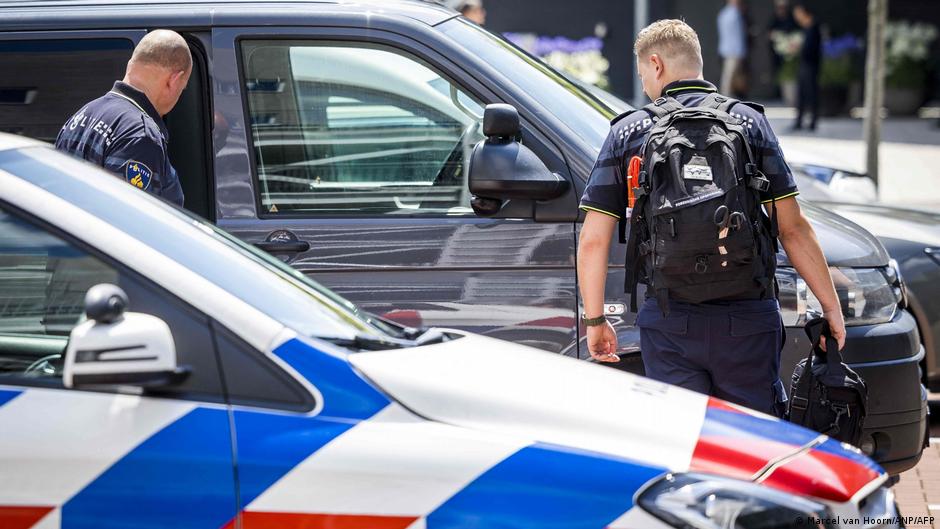
The searches targeted residential and commercial premises associated with the suspects in Neustadt an der Weinstrasse in the German state of Rhineland-Palatinate and in Vienna. The operation took place on September 8 and involved law enforcement authorities from Germany, Austria and Belgium, according to the Kaiserslautern public prosecutor's office, which reported the case on Tuesday, September 29.
Prosecutors allege the two suspects exported 53 passenger cars and six tractor units to Russia between autumn 2022 and the end of 2024, despite the EU sanctions regime. To conceal the alleged shipments, investigators say the vehicles were routed via third countries, including Belarus, Kyrgyzstan and Georgia.
The case adds to a growing enforcement track focused on the automotive trade, where luxury and commercial vehicles remain high-value goods with potential resale demand in Russia. For market participants, it highlights compliance risk in cross-border automotive logistics, dealer networks and trade finance, particularly where vehicles are re-documented or moved through jurisdictions outside the EU before reaching Russia.
Assets Frozen as Prosecutors Target Alleged Export Proceeds
At the request of prosecutors, the Kaiserslautern district court authorized the seizure of assets belonging to the suspects worth about 7 million euros, the estimated proceeds of the alleged illegal exports.
During the searches, German authorities seized two vehicles, a Porsche and a Mercedes-Benz. In Austria, investigators seized 85,000 euros in cash. A further 278,000 euros was blocked in bank accounts in Germany, Austria and Belgium.
Investigators also found three hunting rifles and ammunition at the premises of the entrepreneur in Neustadt an der Weinstrasse. As a result, a separate investigation has been opened into a possible violation of weapons law.
Both suspects have so far exercised their right to remain silent, according to prosecutors. The investigation is continuing.
The asset-freeze component is significant for enforcement watchers because it shows prosecutors are moving not only against alleged sanctions breaches, but also against the economic value believed to have been generated by the trade. That can affect businesses linked to logistics, dealerships, financing and bank accounts across multiple jurisdictions, even before a final court ruling.
Automotive Sanctions Cases Keep Expanding
The latest searches follow several German cases involving the alleged shipment of high-end vehicles to Russia. In March, a court in Wurzburg sentenced a Bavarian car dealer to six years in prison for supplying 111 luxury cars to Russia in violation of sanctions. According to investigators in that case, the vehicles reached employees of the FSB, the Federal Protective Service, Rosneft and the Russian presidential administration.
In July 2025, an employee of a car dealership in Hesse received a five-year prison sentence for selling 71 luxury cars to Russia, also allegedly bypassing sanctions.
Such cases are not isolated. In May 2025, it was reported that German prosecutors were investigating more than 40 cases connected to the supply of expensive cars to Russia. Media reports described a pursuit by German justice authorities of dishonest car dealers, while experts cautioned that only a small portion of the shadow trade was being stopped.
For the automotive sector, the pattern points to a sustained compliance problem rather than a one-off enforcement issue. Passenger cars and heavy vehicles can move through layered transactions, with exporters, intermediaries, logistics providers, dealers and banks each exposed to scrutiny if investigators believe the final destination was Russia.
The use of third countries is a central feature in many alleged sanctions-evasion schemes. In the current case, prosecutors specifically cited Belarus, Kyrgyzstan and Georgia as transit points allegedly used to obscure the shipments. Those routes matter to compliance teams because trade flows that appear legally directed to a non-sanctioned market can still trigger risk if the goods are later re-exported to Russia.
China Route Also Under Scrutiny
The pressure on sanctions compliance extends beyond Europe. In February, Reuters reported that tens of thousands of vehicles, including German luxury cars, were being exported to Russia in circumvention of sanctions through China. Some of those vehicles are produced in China by foreign companies, while others are imported into China from abroad.
According to that report, new cars are registered as used vehicles, a practice that allows sellers to avoid obtaining permission from manufacturers for resale into Russia. The structure illustrates how documentation, origin, vehicle status and resale channels can become key risk points in sanctions enforcement.
For markets, the financial impact of individual investigations may be narrow, but the broader signal is clear: European authorities are continuing to apply pressure to trade channels that support Russian demand for restricted goods. That has implications for dealers handling premium brands, logistics groups active in Eurasian routes, banks processing cross-border payments and insurers underwriting transport flows.
The Kaiserslautern investigation remains ongoing, and prosecutors have not announced charges beyond the allegations described. The suspects have not provided statements, having invoked their right to remain silent. Until the case is resolved, the seized and frozen assets remain part of a broader enforcement push around alleged sanctions-busting in the European automotive trade.