Ukraine Halts Russian Refinery Strikes as US Vote Puts Fuel Markets in Focus
An unofficial pause could extend beyond the November 3 US midterms as Washington seeks to contain pressure on global fuel prices.
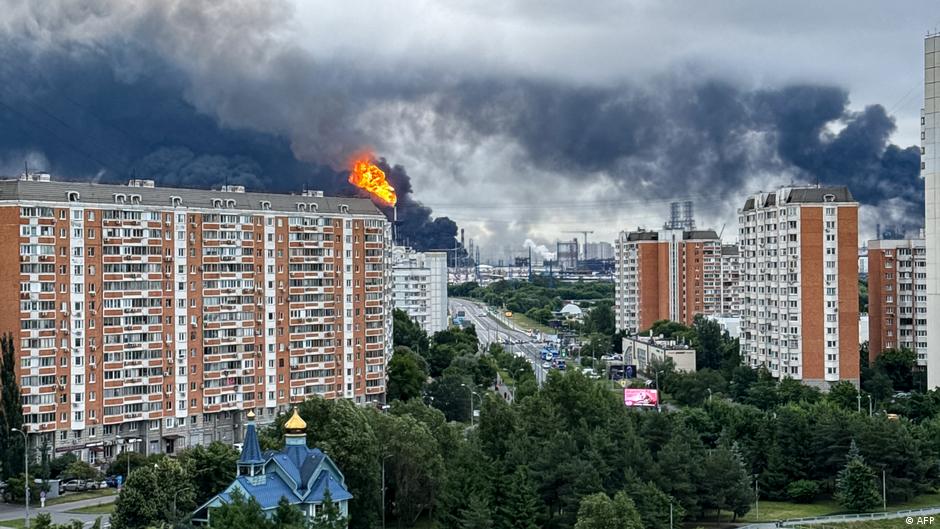
Ukraine has informally suspended strikes on Russian oil refineries after weeks of pressure from US President Donald Trump, potentially removing a near-term source of disruption from global fuel markets ahead of the November 3 US midterm elections, according to The Wall Street Journal.
The pause reportedly began early last week, when tensions between Kyiv and Washington were at their highest, and is expected to remain in effect through the elections. It could continue for part of November, although the Ukrainian government has not officially announced any suspension.
For energy traders, the reported decision shifts attention toward Russian refinery operations and diesel supply at a politically sensitive moment. Republican candidates were concerned that elevated fuel prices could hurt them in the midterms, the report said. Trump also eased sanctions affecting Russian diesel in an effort to reduce cost pressure on US farmers and other consumers.
Trump has intensified pressure on Ukrainian President Volodymyr Zelensky in recent weeks, demanding an end to attacks on Russian refineries and blaming Ukraine for high global fuel prices. Energy experts cited in the source material, however, attributed those prices primarily to the US-Israeli war against Iran.
Thirty-Day Pause Raised During Oslo Talks
Jared Kushner, Trump’s son-in-law, urged Zelensky to adopt a 30-day halt during an October 20 meeting in Oslo, according to two anonymous US officials cited by the Journal. Kushner joined by video link as US presidential envoy Steve Witkoff held talks with Zelensky and European delegations.
Kushner told the Ukrainian president that he and Witkoff were spending substantial time, energy and jet fuel negotiating with Moscow over terms for ending the war in Ukraine. He argued that pausing refinery strikes could allow Kyiv to demonstrate its appreciation for those efforts.
A 30-day pause in attacks on Russian refineries “could be a way for Ukraine to show its gratitude,” Kushner was reported as saying.
The following day, Trump called SpaceX chief Elon Musk and asked him to restore Starlink satellite communications for Ukraine, according to the report. Its sources said the Starlink issue and the refinery-strike discussions were not connected.
Nevertheless, Ukraine’s continuing reliance on Starlink, US intelligence data and interceptor missiles for Patriot air-defense systems has left Kyiv exposed to pressure from Washington. That vulnerability has persisted even after Trump ended most American military and financial assistance to Ukraine following his return to the White House last year.
European Allies Back Restraint as Energy Risks Persist
Some of Kyiv’s most steadfast European supporters reportedly became concerned as rhetoric between Trump and Zelensky escalated and Starlink services suffered disruptions. One European official said European governments also advised Zelensky to stop refinery attacks until the US midterms were over.
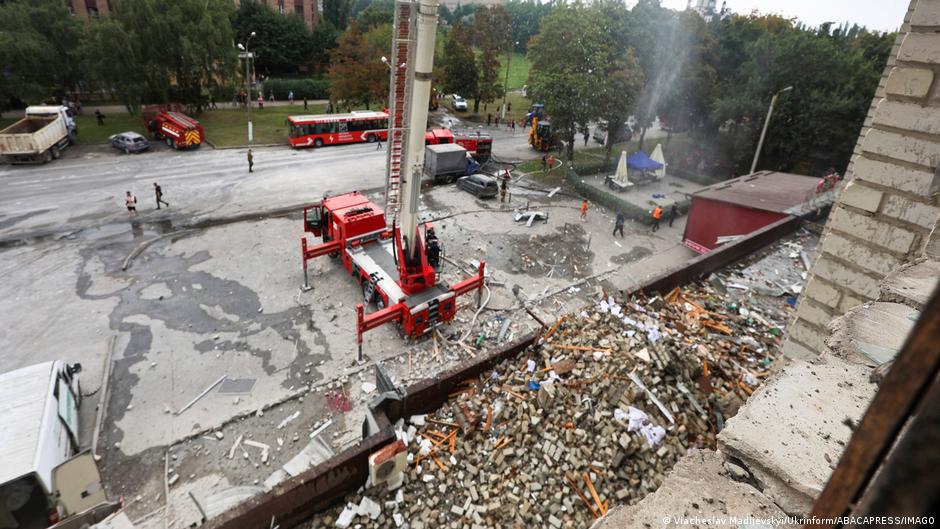
Kyiv wants stronger protection for Ukraine’s energy infrastructure in exchange for such restraint, Zelensky said, according to the publication. Russia, meanwhile, continues to increase the intensity of missile and drone attacks on Ukrainian energy facilities and cities, while civilian casualties are rising.
The asymmetry keeps the pause vulnerable to a sudden reversal. Two unnamed military officials said Ukrainian long-range strike units were told in mid-October that the refinery operation was “effectively paused” once missions already under way had been completed.
One source said Ukrainian Defense Minister Yevhen Khmara told Zelensky that the military had concluded it was better to refrain from hitting refineries because of the sensitive diplomatic situation. Zelensky agreed but stressed that Ukrainian forces could resume the strikes if military commanders considered them necessary.
Zelensky publicly left that option open when speaking to reporters in Kyiv on October 28. “Our guys have tried to be more careful in recent days. But they have no order” barring attacks on refineries, he said.
Market Focus Turns to Post-Election Policy
The reported pause may temper immediate fears of refinery outages, but it does not eliminate geopolitical risk for crude and refined-product markets. With no formal Ukrainian declaration and commanders retaining operational discretion, traders face the possibility that attacks could restart if battlefield or diplomatic conditions change.
The next market catalyst is the November 3 vote and the policy signals that follow it. A pause extending through November would offer Russian refiners a longer window without Ukrainian long-range attacks, while an early resumption could quickly return refinery capacity, diesel flows and regional fuel balances to the center of trading.
At the same time, any response in sanctions policy will be watched alongside physical supply conditions. Trump’s decision to loosen restrictions on Russian diesel shows how domestic fuel costs and election politics are feeding directly into measures affecting internationally traded energy products.
For now, the refinery campaign is described as halted in practice rather than prohibited by a binding order. That distinction leaves the market facing a temporary reduction in one supply threat, not a durable removal of risk.