AfD Surge in Saxony-Anhalt Puts German Political Risk Back on Markets’ Radar
AfD’s projected 44% win in Saxony-Anhalt triggered warnings from Poland and France, adding a fresh political risk signal for European markets.

AfD’s projected 44% win in Saxony-Anhalt triggered warnings from Poland and France, adding a fresh political risk signal for European markets.

AfD won 43.8% in Saxony-Anhalt, but the seat math leaves coalition talks highly uncertain and BSW potentially decisive.

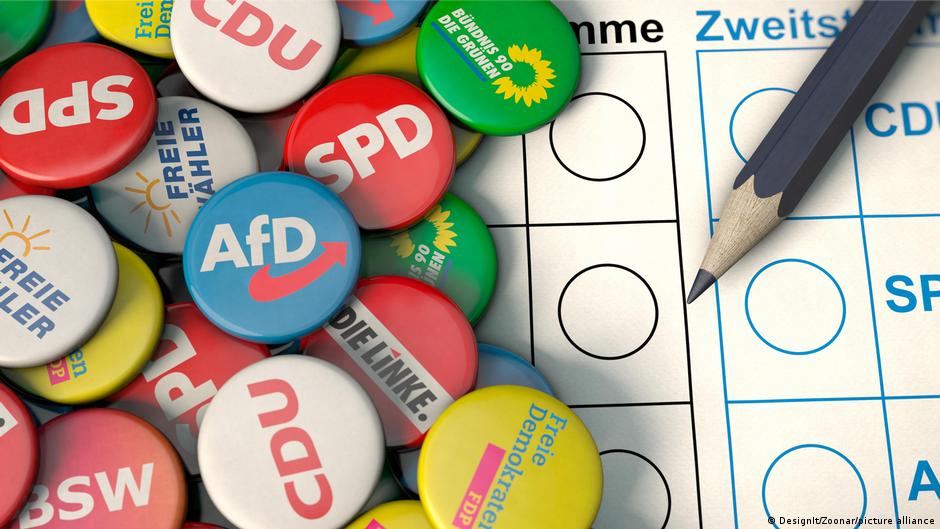
Germany's CDU/CSU support falls to 20%, their lowest in five years, while far-right AfD leads at 28% ahead of September state elections.

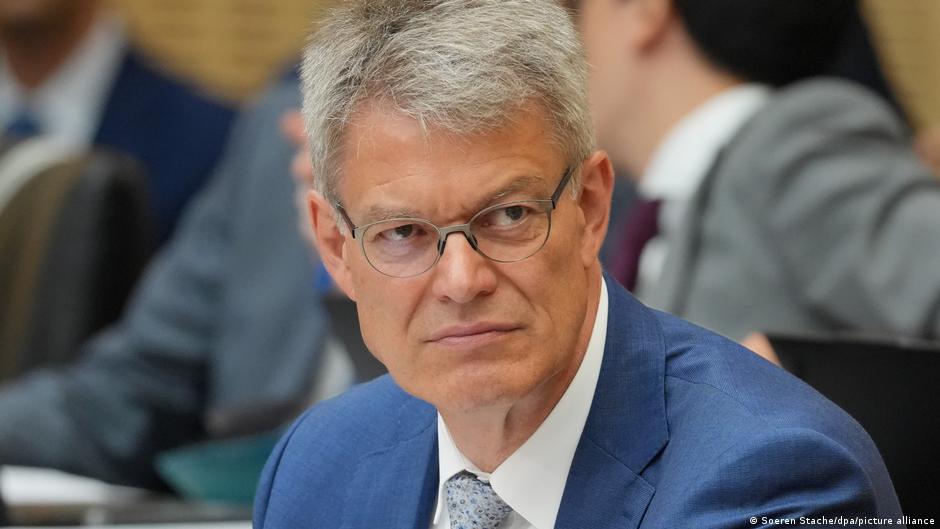
German Transport Minister Patrick Schnieder resigns amid cabinet reshuffle; Chancellor Friedrich Merz to nominate Steffen Bilger as successor, impacting transport sector policies.

A Russian-linked bot network has intensified disinformation in Germany, deploying fake media to influence voter sentiment ahead of September regional elections.

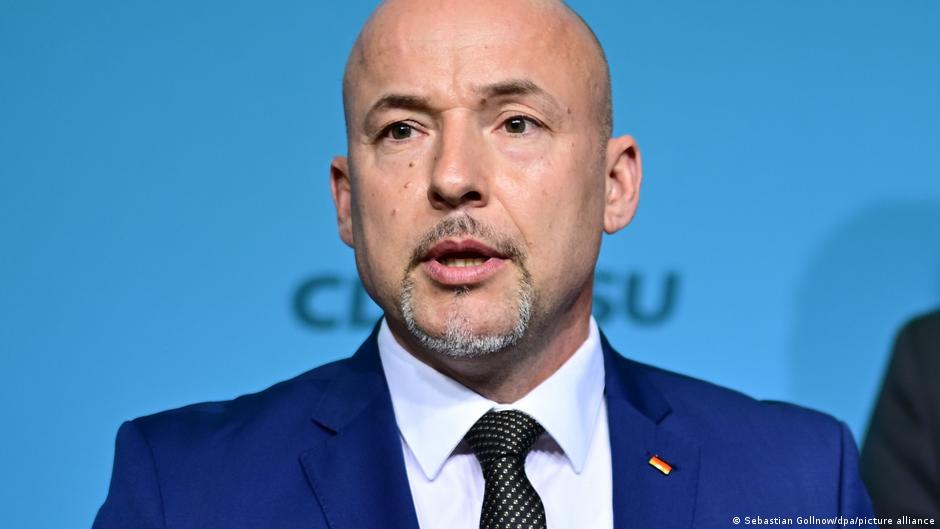
Bavarian CSU leader Alexander Hoffmann calls for Ukraine to share advanced drone technologies with Germany via a bilateral agreement to strengthen German defense capabilities.

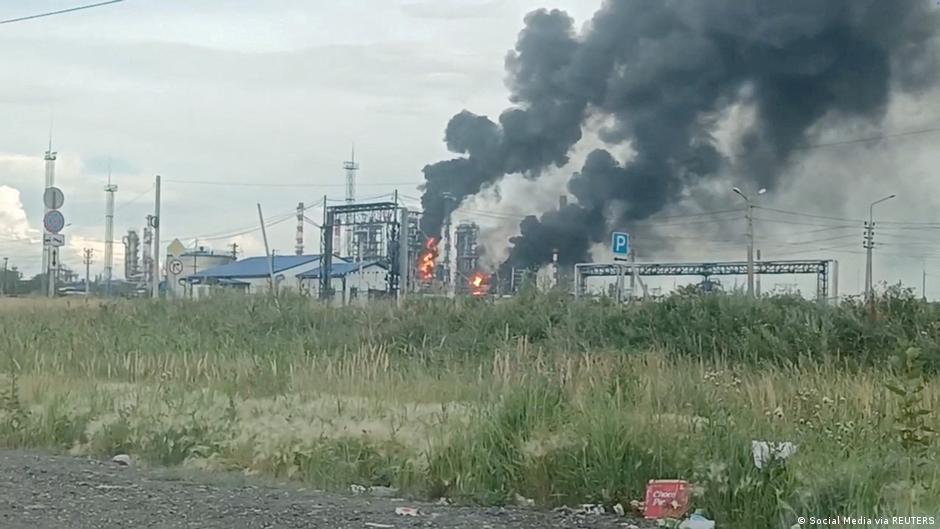
The Saratov oil refinery has suspended operations after Ukrainian drone attacks damaged its primary processing unit, exacerbating fuel shortages in Russia.

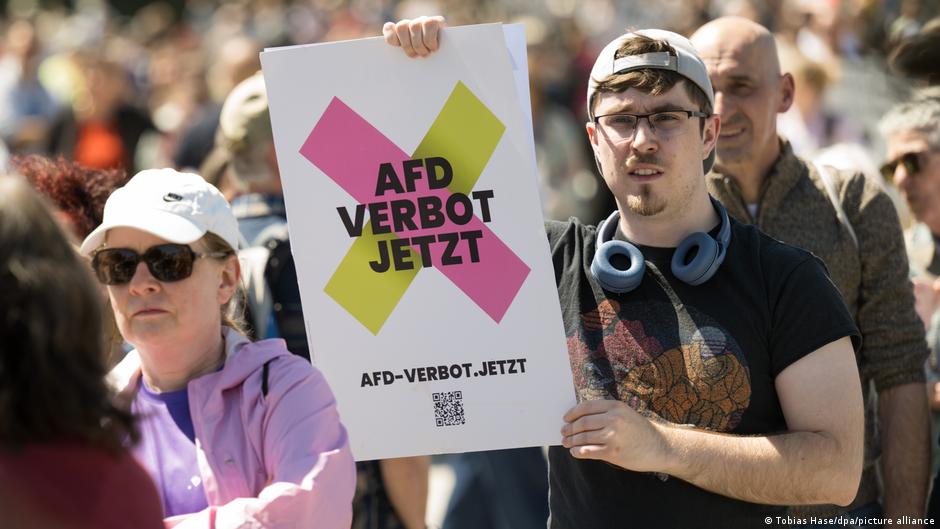
A new Insa survey shows Germans split on banning the far-right AfD, which remains ahead of the CDU/CSU, amid low government approval ratings and rising political tensions.

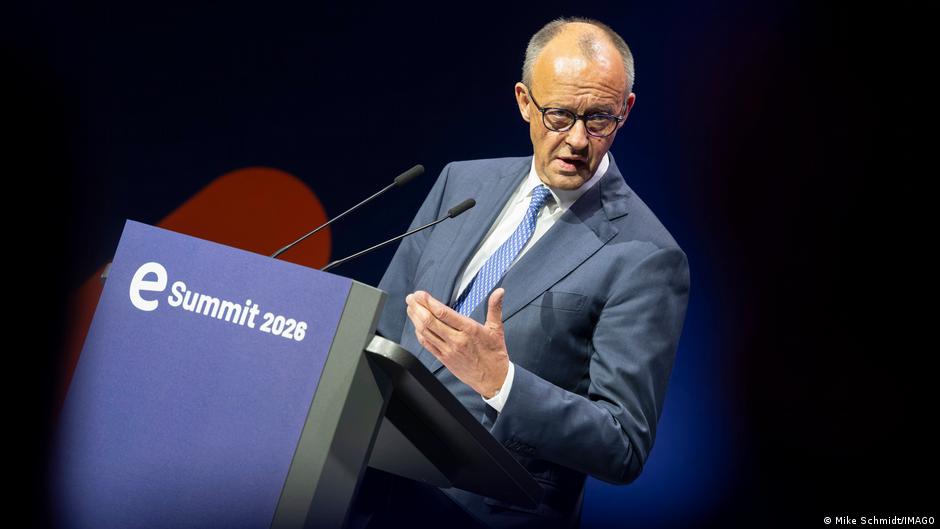
Close aides to Chancellor Merz dismiss reports of his early replacement as baseless; political and constitutional challenges make such a move unlikely despite low approval ratings.

Germany accelerates development of long-range weapons after US declines to deploy Tomahawk missiles, aiming to counter Russian Iskander threats in Kaliningrad and reinforce European deterrence.

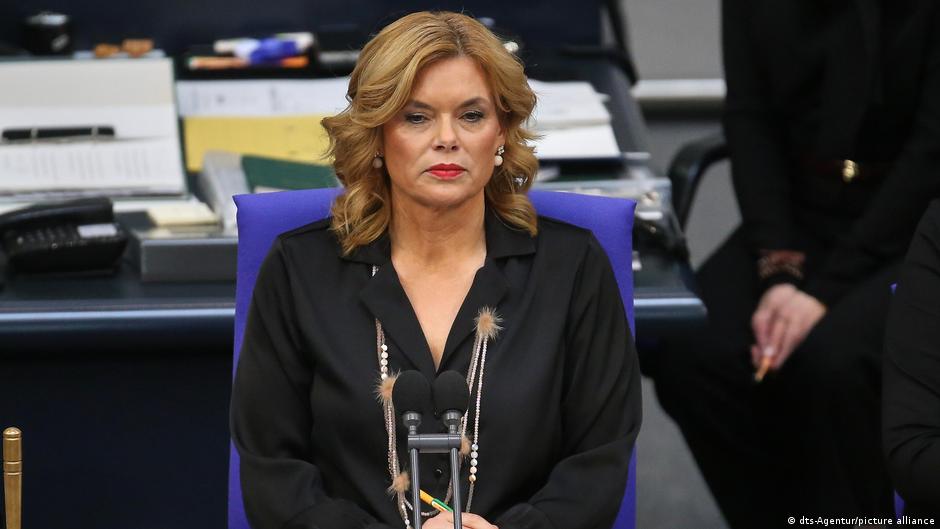
Julia Klöckner's Signal account was hacked via phishing, compromising CDU leadership chats including Chancellor Merz; German intelligence warns of widespread political cyberattacks.