Germany Accelerates Development of Long-Range Weapons Amid Russian Iskander Threat
Following US refusal to deploy Tomahawk missiles, Germany fast-tracks indigenous long-range strike capabilities to counter Russian threats.
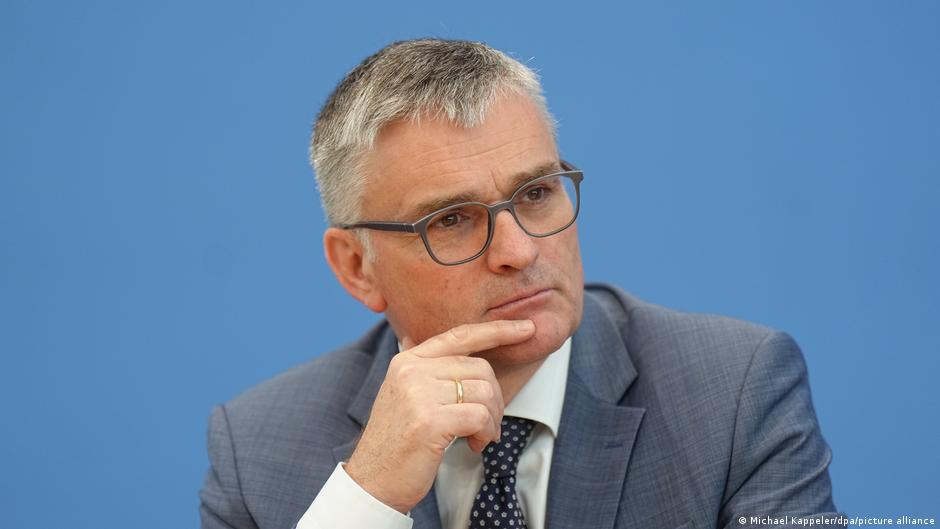
Germany has announced plans to accelerate the development of its own long-range weapon systems in response to the threat posed by Russian Iskander missile deployments in the Kaliningrad region. This move follows the United States' decision not to station Tomahawk cruise missiles on German soil.
At a press briefing in Berlin on May 4, government spokesman Stefan Kornelius emphasized the need to avoid any gaps in deterrence capabilities. He explained that the initial intent to place Tomahawk missiles in Germany was a temporary measure, and now attention must focus on Germany and its European partners advancing indigenous high-precision long-range systems under the European Long-Range Strike Approach (ELSA) program.
Strategic Response to Russian Missile Deployments
"This program represents a direct reaction to Russia's rearmament with new long-range weapon systems," Kornelius said. "We are all aware of the deployment of Iskander missile complexes in Kaliningrad and other locations, which pose a significant threat to Europe. Our defensive strategy aims to negate this threat." He added that comprehensive deterrence measures are being coordinated nationally, across Europe, and with NATO allies.
On May 3, German Chancellor Friedrich Merz confirmed on ARD television that the U.S. will not be deploying Tomahawk missiles with a range of up to 2,500 kilometers in Germany, citing the U.S. military's need to retain those systems. This agreement was reached earlier this year between then-President Joe Biden and then-Chancellor Olaf Scholz as a deterrence signal to Russia amid its ongoing war in Ukraine.
Germany's Ministry of Defense stated on May 4 that efforts are underway to strengthen German and European deterrence capabilities. This includes modernizing the German TAURUS cruise missile and advancing the ELSA project, which aims to jointly develop a range of long-range precision weapons, including drones.
"The ELSA program is a vital part of our defense strategy, ensuring Europe can counter emerging threats by 2029 when Russian military capabilities may be sufficient to threaten NATO states," a ministry spokesperson said.
Concerns persist that by 2029, Russia could possess the military potential to launch attacks against NATO countries, underscoring the urgency of these European initiatives.
Political Calls for Enhanced Defense Cooperation
Some German lawmakers from the ruling Christian Democratic Union (CDU) are advocating for expanded defense cooperation with Ukraine and joint development of medium-range weapons. Roderich Kiesewetter, a Bundestag member and CDU foreign policy expert, labeled the Trump administration's 2019 decision to withdraw from deploying Tomahawk missiles in Germany as a "huge mistake."
Speaking on ARD's Morgenmagazin on May 4, Kiesewetter warned that the shortage of American medium-range weapons to counter Russia's nuclear threats directly jeopardizes European security. He proposed Europe urgently develop its own alternative systems, potentially in collaboration with Ukraine, aiming to have these capabilities operational by 2030.
"The solution lies in crafting similar weapons jointly with Ukraine so that such systems are in place by 2030," he stressed.
As geopolitical tensions persist and Russia continues to modernize its missile forces, Germany's push to enhance its indigenous long-range strike capabilities marks a significant shift in Europe's defense posture. The development of ELSA and modernization programs indicate a strategic pivot to ensure Europe can maintain credible deterrence without over-reliance on U.S. deployments.