Iran Launches First Missile and Drone Attacks on UAE Since US-Iran Truce
UAE intercepts multiple Iranian missiles and drones amid renewed regional tensions, prompting international condemnation and market watchfulness.
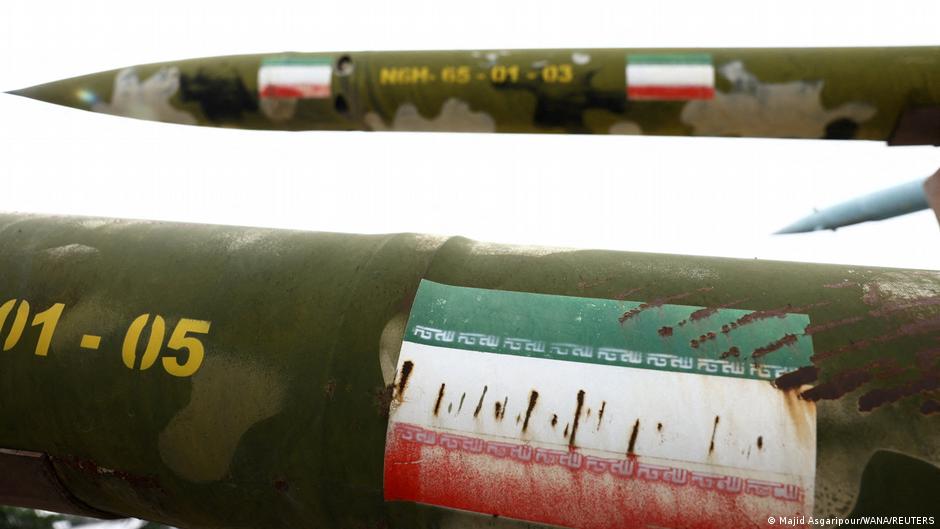
Iran has carried out its first missile and drone attacks on the United Arab Emirates (UAE) since the US-Iran ceasefire agreement, signaling renewed tensions in the Gulf region. The UAE's air defense forces intercepted 19 Iranian projectiles, including ballistic and cruise missiles as well as drones, according to the Emirati Ministry of Defense.
Details of the Attack and Regional Reactions
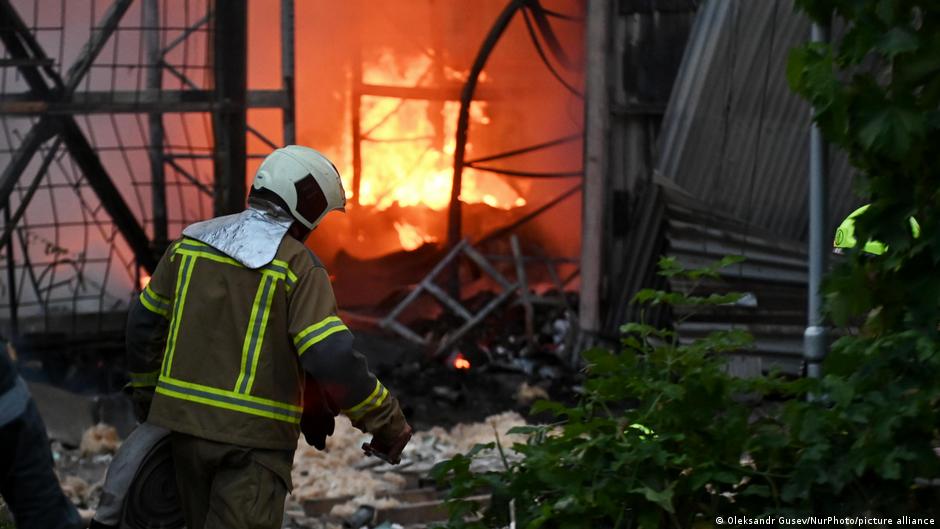
On May 4, Iranian forces launched 12 ballistic missiles, three cruise missiles, and four unmanned aerial vehicles towards the UAE. The strikes targeted the oil industrial area of Al-Fujairah, where an Iranian drone caused a fire. Three Indian nationals were wounded and hospitalized as a result.
In response to the attack, UAE authorities condemned the assaults as a "dangerous escalation" and asserted their right to take lawful retaliatory action. Schools across the UAE shifted to online learning from May 5 to May 8 as a precautionary measure amid security concerns.
Despite the aggression, Iranian state media quoted a senior military official denying any plans to attack the UAE, highlighting the complex nature of the ongoing conflict.
Neighboring Oman also reported an attack near the border city of Bukha, where a residential house was damaged and two expatriate workers were injured, further escalating regional instability.
"The UAE leaves for itself the full and lawful right to respond to these attacks," said the Emirati Ministry of Foreign Affairs.
Broader Geopolitical and Market Implications
The renewed strikes come as the US announced Operation Project Freedom to escort vessels stuck in the strategic Strait of Hormuz, a vital artery for global oil supplies. Iran warned that any American interference in the strait would violate the recently implemented ceasefire that took effect on April 8.
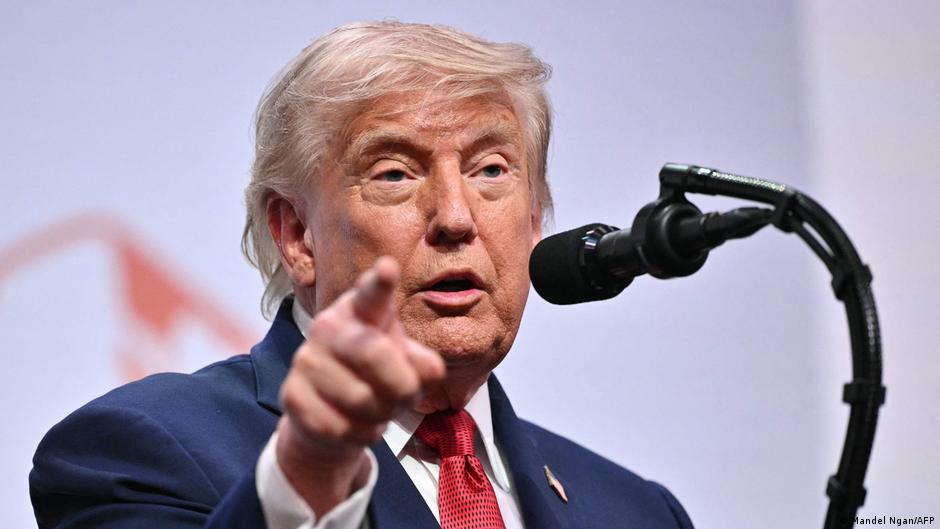
Former US President Donald Trump claimed Iranian attacks also targeted a South Korean vessel in the Strait of Hormuz and asserted that US forces had destroyed seven Iranian boats, suggesting Iran’s naval capacity is significantly diminished.
Germany’s Chancellor Friedrich Merz expressed solidarity with the UAE and condemned Iran’s drone and missile strikes, urging Tehran to return to negotiations and cease threatening regional stability. Merz emphasized the importance of reopening the Strait of Hormuz to maintain uninterrupted global energy supplies and prevent further market disruptions.
These developments have intensified concerns over security in a critical oil-exporting region, with potential impacts on trading volumes and sector rotations, particularly in energy markets. Market participants are closely monitoring the situation for potential volatility stemming from geopolitical risks.