Bulgaria Vetoes EU’s New Sanctions Package Against Russia Citing Economic Risks
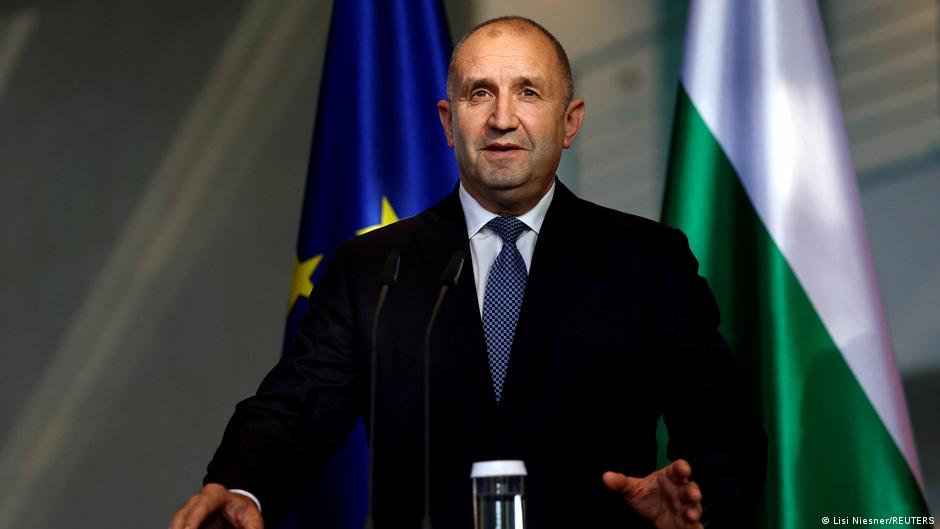
Bulgaria intends to veto the EU's latest sanctions package against Russia, citing threats to its economy and energy sector, notably concerns over Lukoil's operations.

Bulgaria intends to veto the EU's latest sanctions package against Russia, citing threats to its economy and energy sector, notably concerns over Lukoil's operations.

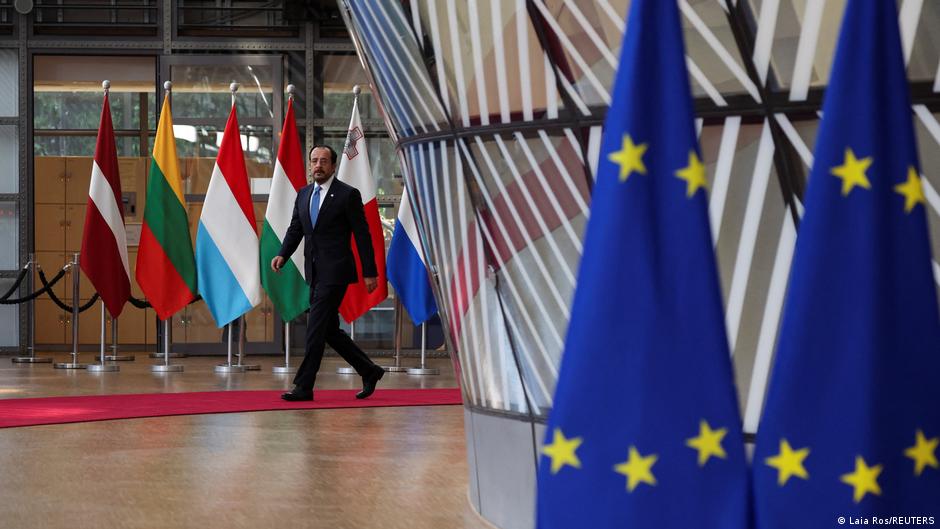
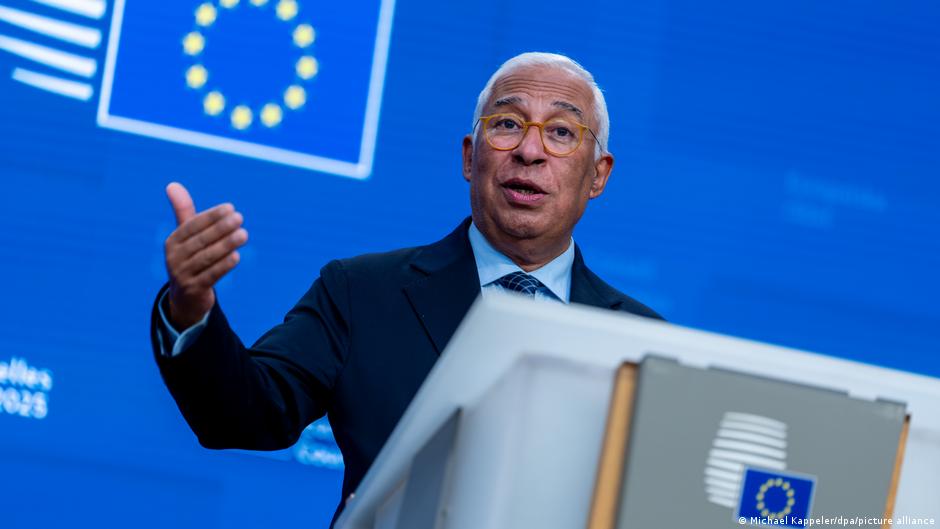
EU leaders agree to extend sanctions on Russia for one year, reflecting a unified stance and signaling potential impacts on energy, finance, and trade sectors.

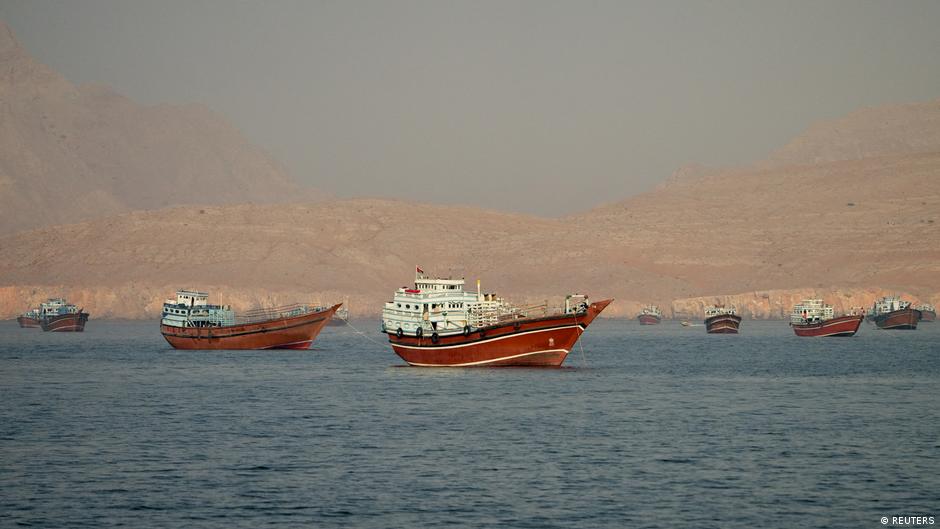
The US has lifted its naval blockade of the Strait of Hormuz, enabling record oil transit volumes amid ongoing US-Iran peace negotiations.

The EU initiates discreet talks with the Kremlin aiming to pave the way for future Ukraine peace negotiations amid changing war and economic conditions.

Russia launched ballistic missile strikes on Kyiv and other Ukrainian cities shortly after the G7 pledged increased support to Ukraine, raising geopolitical tensions and market risks.

The Strait of Hormuz will reopen immediately after US and Iran sign a peace memorandum, ending port blockades and easing energy market tensions.

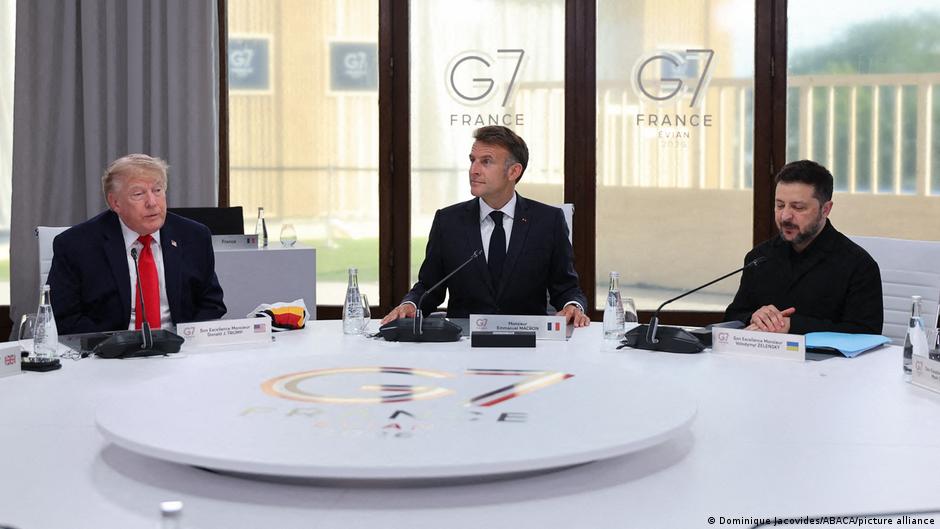
G7 leaders unveil new sanctions targeting Russian energy exports and pledge increased delivery of advanced weaponry to Ukraine amid shifting battlefield dynamics.

Bolivia and the US sign their first drug-fighting agreement since 2008, pledging $20 million in support to combat cocaine trafficking amid ongoing diplomatic tensions.

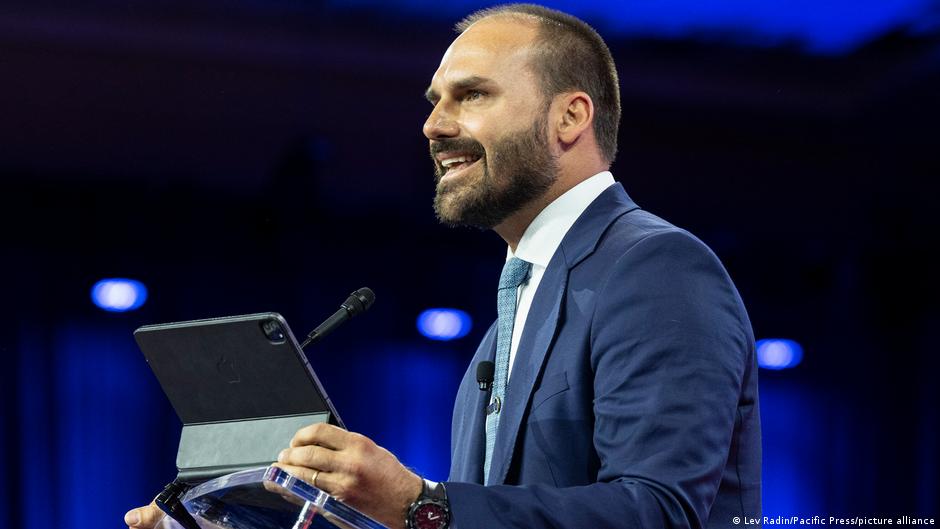
Brazil’s Supreme Court sentenced Eduardo Bolsonaro to over four years in prison for foreign lobbying against Brazil’s judiciary amid upcoming 2026 elections.

The EU has commenced the first formal negotiation cluster for Ukraine and Moldova’s accession, marking progress towards detailed membership conditions and reforms.

Hungary’s Parliament approved a constitutional amendment limiting prime minister terms, barring Viktor Orban's return and marking a key political shift.

Germany faces a 4.3 million worker deficit by 2036 due to baby boomer retirements and reduced migration, according to the Institute of the German Economy.