EU Initiates First Negotiation Cluster for Ukraine and Moldova Accession Process
The European Union launches the first negotiation cluster, marking a shift from preparatory talks to detailed accession conditions for Ukraine and Moldova.
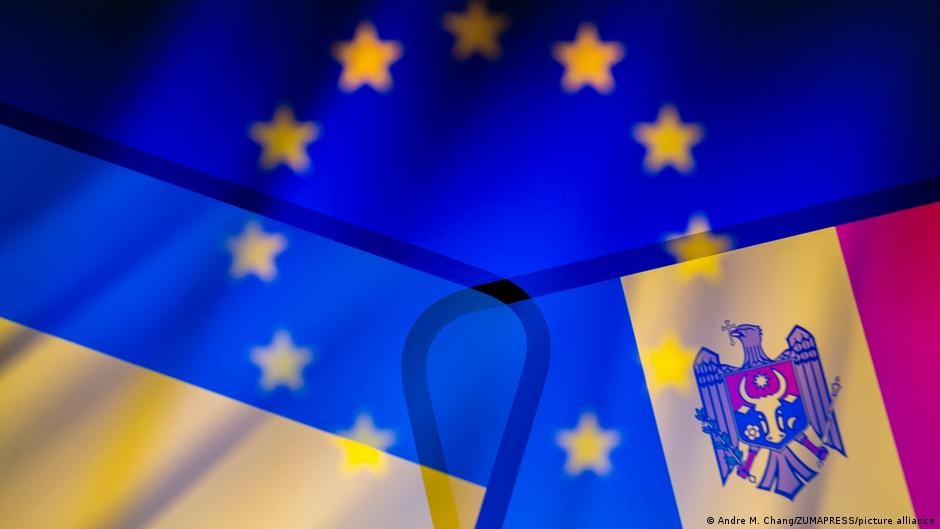
The European Union has officially launched the first negotiation cluster concerning the accession of Ukraine and Moldova. This milestone signals a transition from initial preparatory discussions to focused work on the specific conditions required for future membership.
On Monday, June 15, EU foreign ministers convened in Luxembourg to inaugurate the first cluster of talks regarding Ukraine and Moldova's EU accession process. This development was confirmed by diplomats from the Republic of Cyprus, which currently holds the rotating presidency of the Council of the European Union.
"We have all awaited this day for a long time, and today we can finally celebrate," said Marilena Rauna, Cyprus’s Deputy Minister for European Affairs. "The future of Ukraine and its citizens is firmly tied to the European Union."
Structured Negotiations in Six Thematic Clusters
The EU accession discussions are organized into six broad thematic clusters, each covering different domains of legislation and governance. These clusters enable the Union to assess the candidate countries' readiness to adopt EU rules and standards systematically.
The launch of the first cluster marks progress beyond the preparatory phase, initiating substantive work on harmonizing national laws with EU norms. It also involves implementing targeted reforms in specific sectors crucial for accession.
This development is a key indicator for investors and market participants monitoring geopolitical risks and regional stability. The structured approach to membership talks may influence trade flows, regulatory environments, and cross-border cooperation in Eastern Europe.
Market watchers should continue to track subsequent cluster openings and the pace of reforms, as these will likely have broader implications for sector rotation and capital allocation within the EU's extended neighborhood.