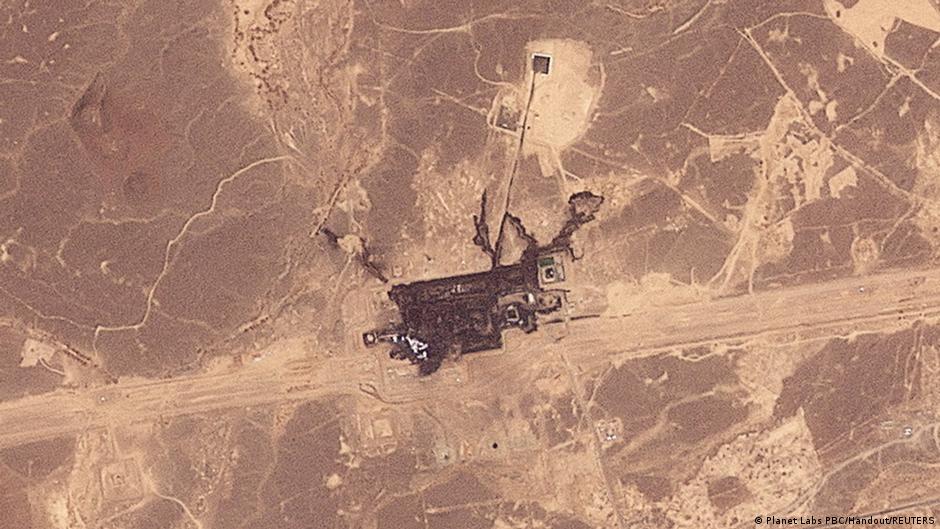
Russia Uses North Korean Ballistic Missile in Attack on Ukraine’s Kryvyi Rih Suburb
Ukraine confirms first use of North Korean missile in Russian strike that killed six in Dnipropetrovsk region.
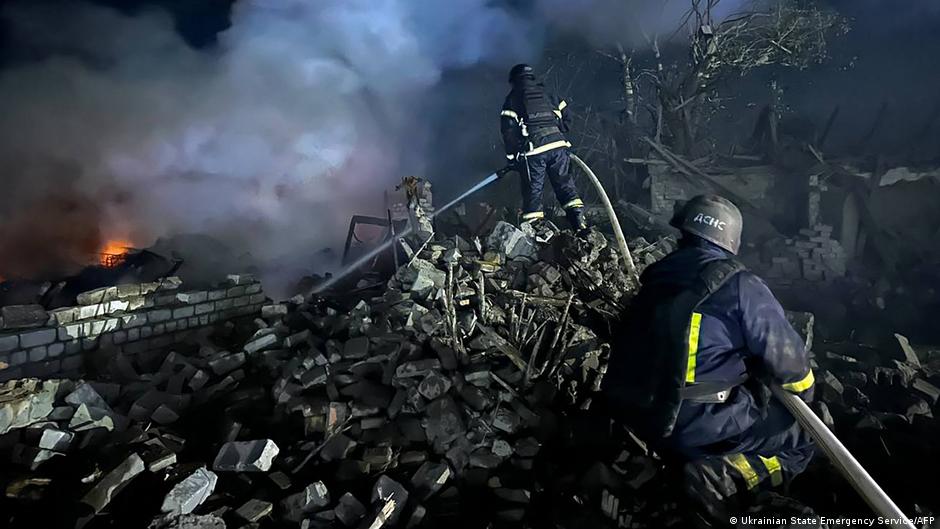
In a significant escalation of military tactics, Russian forces employed a ballistic missile sourced from North Korea during an attack on the outskirts of Kryvyi Rih, Ukraine, resulting in the tragic death of a family of six, including children.
First Confirmed Use of North Korean Ballistic Missile in Ukraine Conflict
Ukrainian President Volodymyr Zelensky revealed on July 30 that the Russian military had, for the first time in a considerable period, utilized a ballistic missile from North Korea in an assault on the village of Radushne in the Dnipropetrovsk region. The missile strike struck a private residence, killing a large family, including a 6-year-old girl and boys aged 11 and 17.
"Of course, further expert analysis and verification will follow, but the current assessment confirms this is North Korean ballistic technology," Zelensky said.
This attack marks a troubling development in the ongoing conflict, highlighting the increasingly complex military collaboration between Russia and North Korea. Earlier in July, Zelensky had warned that Russia sought to augment its forces with up to 30,000 North Korean military personnel and that Pyongyang was preparing to supply Moscow with new ballistic missile launchers.
These developments underscore growing strategic cooperation between Moscow and Pyongyang, formalized in 2024 by a treaty establishing "comprehensive strategic partnership". Zelensky characterized this alliance as a threat not only to Ukraine but to all of Asia within the range of North Korean missiles.
Amid this backdrop, Zelensky appealed to international allies for more than condemnations. He urged the provision of advanced air defense systems and increased pressure on Russia to halt such missile attacks.
Market Implications and Sector Impact
The introduction of North Korean ballistic missiles into the Ukraine conflict carries implications for global defense markets and geopolitical risk assessments. Demand for advanced air and missile defense systems is expected to rise as Ukraine and its allies seek to counteract enhanced missile threats. Key defense contractors specializing in missile interception technologies may experience increased trading volumes as governments accelerate procurement plans.
Additionally, energy and commodity markets could observe volatility given the heightened risk profile for Eastern European operations. Sector rotation into defense and cybersecurity stocks may intensify as investors recalibrate portfolios in response to the escalation.
Overall, the unfolding situation signals a shift in the strategic landscape that traders and market watchers should monitor closely for evolving risk and opportunity dynamics.