EU Engages in Quiet Talks with Kremlin to Explore Potential Ukraine Peace Negotiations
The European Council initiates discreet contacts with Moscow amid evolving battlefield dynamics and economic pressures.
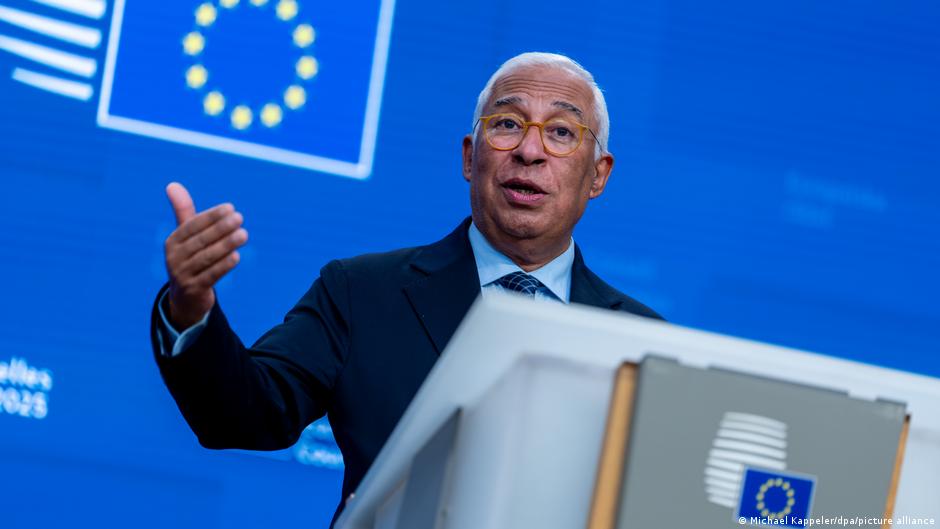
The European Union has initiated confidential communications with the Kremlin as part of efforts to lay groundwork for possible future peace negotiations concerning the war in Ukraine, according to informed sources. While the precise timing and participants of these contacts remain undisclosed, they mark a notable development in diplomatic activity surrounding the conflict.
Behind the Scenes: Preparing for Dialogue
Reports indicate that an advisor to the President of the European Council, António Costa, engaged in two telephone conversations with a high-ranking Russian official closely linked to President Vladimir Putin. These private exchanges aimed to create conditions conducive to more substantive discussions between the EU and Russia at a later stage.
“There is potential for talks with Putin,” Costa remarked earlier in May, reflecting a growing willingness within the EU leadership to explore negotiation pathways.
Neither Costa’s spokesperson nor the Kremlin Press Secretary Dmitry Peskov have publicly commented on these developments, leaving details sparse. However, the initiative aligns with Costa’s earlier statements about preparing EU member states to organize engagement with Russia when appropriate.
Strategic Context and Market Implications
Simultaneously, Europe's three largest economies—Germany, France, and the United Kingdom—have independently discussed strategies to involve Putin in peace talks, reportedly coordinating with Ukraine’s President Volodymyr Zelensky. These deliberations stem from a complex battlefield reality: Russia's stalled advances, increasing Ukrainian counterattacks on Russian territory, and mounting economic costs faced by Moscow.
Market watchers should note that the potential opening of negotiation channels could trigger shifts in investor sentiment, especially in sectors sensitive to geopolitical risks such as energy, defense, and commodities. A move toward diplomacy might ease some market volatility driven by war uncertainties, although outcomes remain uncertain.
Overall, the EU’s quiet diplomatic efforts signal an evolving approach to the conflict — balancing ongoing military realities with attempts to find a negotiated resolution. Traders and analysts should monitor further developments closely as these behind-the-scenes contacts may presage meaningful changes in the geopolitical landscape impacting global markets.