Bolivia and US Renew Cooperation on Drug Trafficking After 18-Year Hiatus
Bolivia and the United States sign a landmark agreement to combat drug trafficking and organized crime, marking a significant shift in bilateral relations.
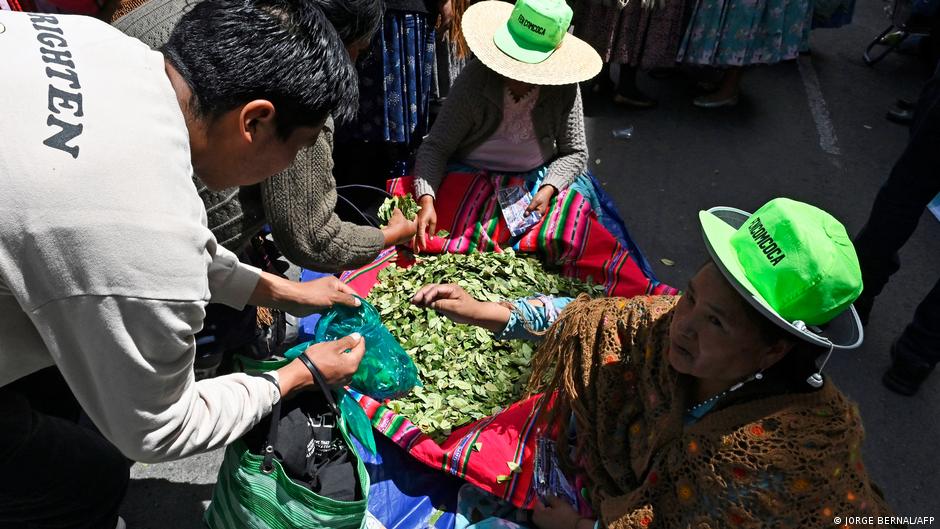
Bolivia and the United States have signed a landmark agreement to jointly combat drug trafficking and transnational organized crime, marking their first formal cooperation in this area since 2008. The agreement comes despite the countries lacking diplomatic relations for nearly two decades.
The accord, formally titled the Agreement on Strengthening Bilateral Cooperation to Combat Illegal Drug Trafficking and Transnational Organized Crime, was signed by Bolivia’s Foreign Minister Fernando Huanacuni Mamani (also cited as Fernando Aramayo in some reports). The announcement was made on June 16 by Bolivia’s Ministry of Foreign Affairs.
Details of the Agreement and Funding
As part of the new cooperation, the United States has pledged up to $20 million to support training programs and provide equipment for Bolivian specialists focused on fighting drug-related crimes. This marks a notable investment aimed at addressing the cocaine production challenges in Bolivia, which is recognized as the world’s third-largest producer of cocaine.
Although cooperation between the Bolivian authorities and the US Drug Enforcement Administration (DEA) had recently resumed, the DEA office in La Paz remains closed, and the two countries have yet to exchange ambassadors, signaling that diplomatic normalization is still a work in progress.
“This agreement represents a critical step in reestablishing cooperative ties to effectively address the challenges posed by narcotrafficking and organized crime,” a Bolivian official noted.
The last such cooperation ended in 2008 when then-president Evo Morales severed diplomatic ties and expelled DEA agents from Bolivia in response to tensions over drug policy and sovereignty concerns.
Market and Regional Implications
The renewed bilateral effort comes amid heightened global attention on drug trafficking routes and their impact on regional stability and security. The infusion of US funding and expertise is expected to enhance Bolivia’s capabilities in drug interdiction and law enforcement, potentially impacting local markets related to security and public investment.
For traders and analysts monitoring Latin American markets and commodities, this development could signal shifts in regional risk profiles and inform sector rotation strategies focused on defense, security technology, and legal reforms.
As Bolivia is a traditional consumer of coca leaves, the country balances cultural practices with international pressure to curb cocaine production. This complex dynamic underscores the challenges faced by governments and international partners working to dismantle narcotics networks.