Germany’s Long-Term Welfare Rolls Put Labor Market Policy Back in Focus
New figures show 1.4 million people in Germany received Bürgergeld for at least five years, intensifying debate over labor supply and welfare reform.

New figures show 1.4 million people in Germany received Bürgergeld for at least five years, intensifying debate over labor supply and welfare reform.

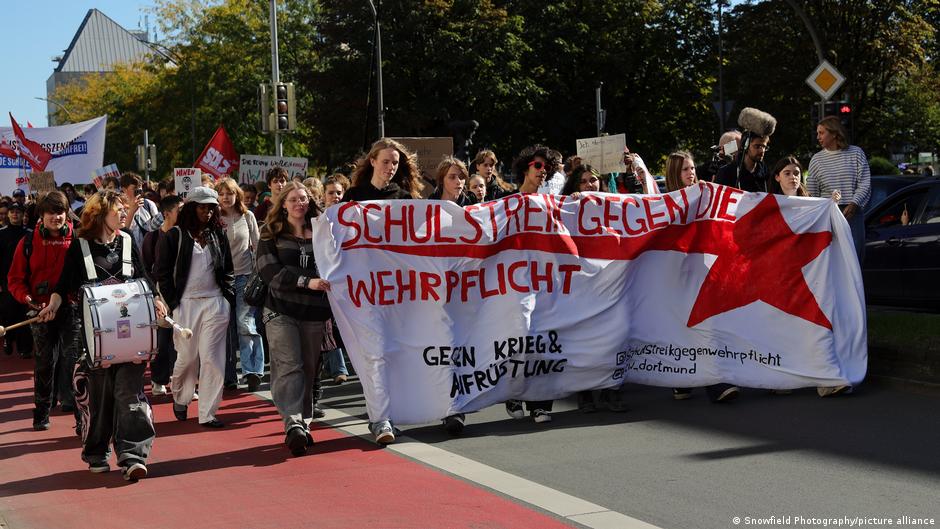
Germany logged at least 12,102 military-service refusal declarations in eight months, even as Bundeswehr recruitment and troop counts rose.

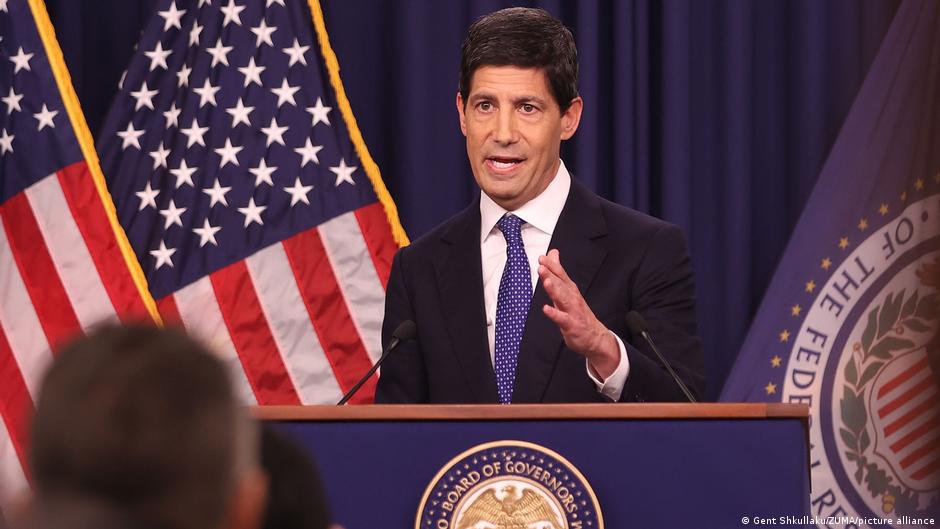
The Fed raised rates by 25 basis points to 3.75%-4%, its first hike in three years, citing inflation and drawing criticism from Donald Trump.

In 2025, the wage gap between German and foreign full-time workers in Germany remained at 23.6%, reflecting persistent disparities driven by sector and qualification differences.

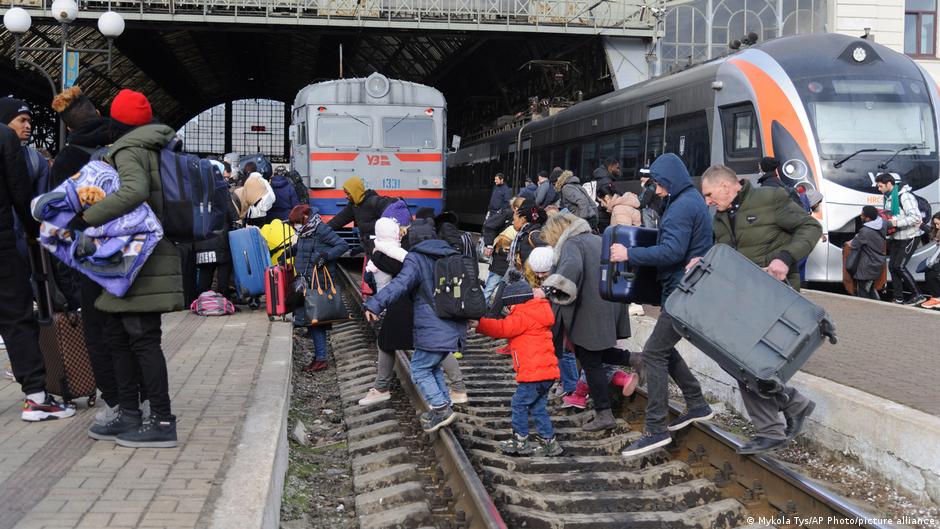
Ukrainian officials report over 8.4 million citizens living abroad amid war, with Kyiv-controlled territory population shrinking to 27-28 million.

A new study shows 40% of Germans doubt they can work until retirement age due to heavy physical and mental job demands, raising concerns for labor markets and pension policies.

German authorities have granted asylum to Russian anti-war activist Ilya Shkolny after a lengthy legal battle and interventions by human rights groups.

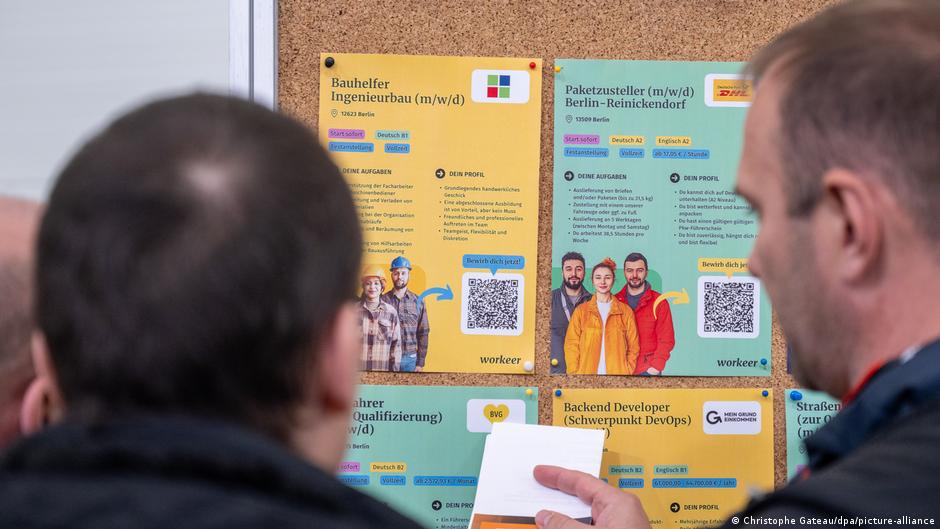
Germany faces a 4.3 million worker deficit by 2036 due to baby boomer retirements and reduced migration, according to the Institute of the German Economy.

A U.S. federal judge invalidated the Trump-era $100,000 H-1B visa fee as an unauthorized tax, potentially impacting tech sector hiring and market trends.

Uzbekistan’s divorce rate in urban areas now reaches one in three marriages, with ongoing demographic shifts affecting market and social dynamics.