US Federal Judge Strikes Down Trump-Era $100,000 H-1B Visa Fee Increase
A federal court rules the $100,000 fee on H-1B visa applications, introduced under Trump, illegal as an unauthorized tax.
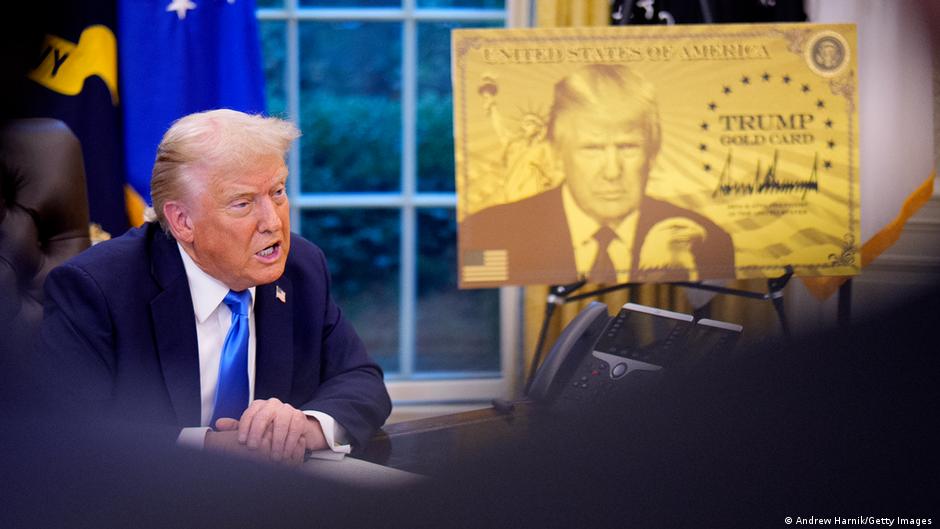
On June 8, a U.S. federal district judge invalidated the controversial $100,000 application fee for H-1B work visas for highly skilled professionals, a fee introduced under former President Donald Trump.
Judge Leo Sorokin ruled that the Trump administration exceeded its executive authority by imposing this fee in September 2025. The decision came after a lawsuit filed by 20 states challenged the legality of the fee.
Legal Ruling and Market Implications
The court determined that the $100,000 charge effectively functioned as an unlawful tax. “The President lacked the power or delegated authority to impose a tax on H-1B visa applications,” the ruling states.
"President Trump’s fee increase on H-1B visas was deemed an unauthorized tax exceeding executive power."
Earlier, a separate federal judge had upheld the fee’s legality, but that ruling is currently under appeal.
The H-1B visa program allows U.S. employers to hire foreign workers in specialty occupations, predominantly in technology sectors. Approximately 75% of all approved H-1B applications are filed for workers from India, underscoring the visa’s importance to U.S. tech firms.
Trump’s increase to the visa application fee—from under $5,000 to $100,000—was part of a broader anti-immigration policy aimed at reserving jobs for American workers. The White House justified the fee hike by arguing that foreign workers should not displace domestic employees.
This ruling could have immediate ramifications for labor markets and sector rotations, especially in technology, where firms heavily rely on H-1B talent to fill skilled positions. The removal of the fee might encourage an increased volume of visa applications, potentially impacting hiring trends and trading volumes in tech stocks.
Market watchers should monitor the appeals process and any further governmental actions, as visa policy changes continue to influence talent acquisition and sectoral market dynamics.