US Imposes Up to 100% Tariffs on Imported Drones and Components Amid Security Concerns
The Trump administration enforces high tariffs on drone imports to boost domestic production and safeguard national security.
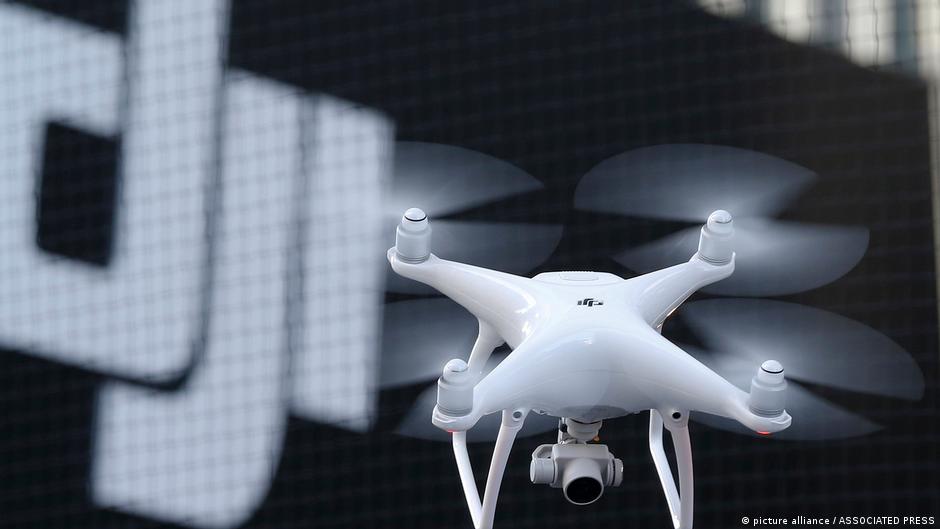
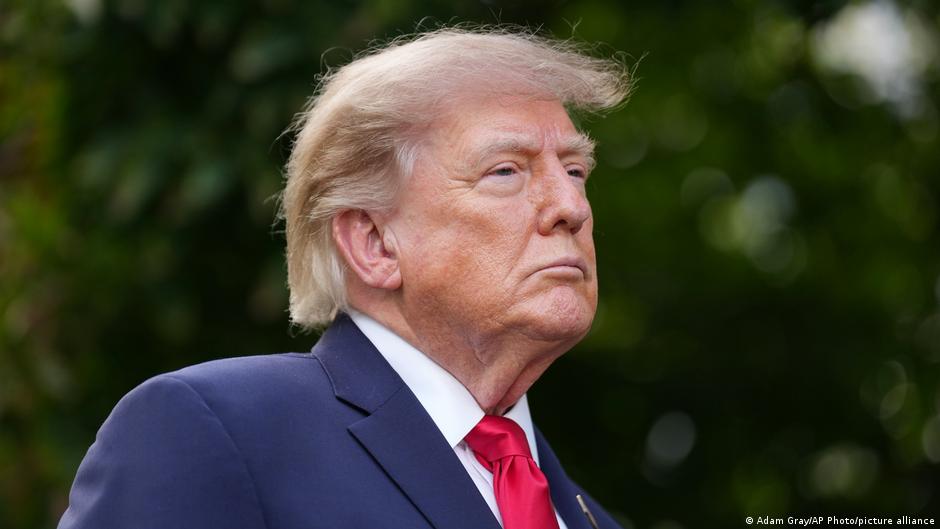
On August 13, President Donald Trump signed a proclamation imposing tariffs on imported unmanned aerial vehicles (UAVs) and their components. The new measures target drones deemed critical to national security, with tariffs reaching up to 100% on certain models.
Details of the Tariff Measures
The tariffs apply differently based on drone specifications and origin countries. UAVs with a maximum takeoff weight exceeding 25 kilograms and equipped with thermal imaging capabilities will face a 100% tariff on their import value. Smaller drones, weighing 25 kilograms or less, will be subject to a 25% tariff.
Import duties on drones and components originating from the European Union, Japan, South Korea, Switzerland, Taiwan, and Liechtenstein are set at a reduced rate of 15%. The United Kingdom benefits from an even lower tariff of 10%.
The tariffs will take effect 21 days after the proclamation’s signing for drones and critical components. Other drone components not deemed vital to national security will face tariffs after 180 days.
“Drones are a key technology in modern armed conflicts and crucial for current and future U.S. military operations. Dependence on foreign suppliers for critical components creates significant national security and cybersecurity vulnerabilities,” the White House stated.
Market and Security Implications
This move comes amid concerns over China’s dominant position in the drone manufacturing sector. Reports have highlighted instances where British naval reconnaissance drones transmitted data to China due to embedded Chinese components. Additionally, intelligence indicates China has been supplying drones to Russia through Thailand, with imports valued at $125 million over 11 months in 2025.
Furthermore, China has reportedly curtailed deliveries of key drone components to Western customers while increasing supplies to Russia, signaling a strategic pivot in its trade relationships within the drone industry.
By imposing steep tariffs, the U.S. aims to stimulate domestic drone production and reduce reliance on potentially adversarial foreign suppliers. This is expected to impact trade volumes significantly within the drone sector and could prompt shifts in sector rotation among technology and defense stocks.