Trump Rebukes Netanyahu Over Israeli Strikes on Lebanon Amid Middle East Tensions
US President Donald Trump harshly criticized Israeli PM Netanyahu for escalating conflict with Lebanon, raising concerns over ceasefire breakdown and civilian casualties.
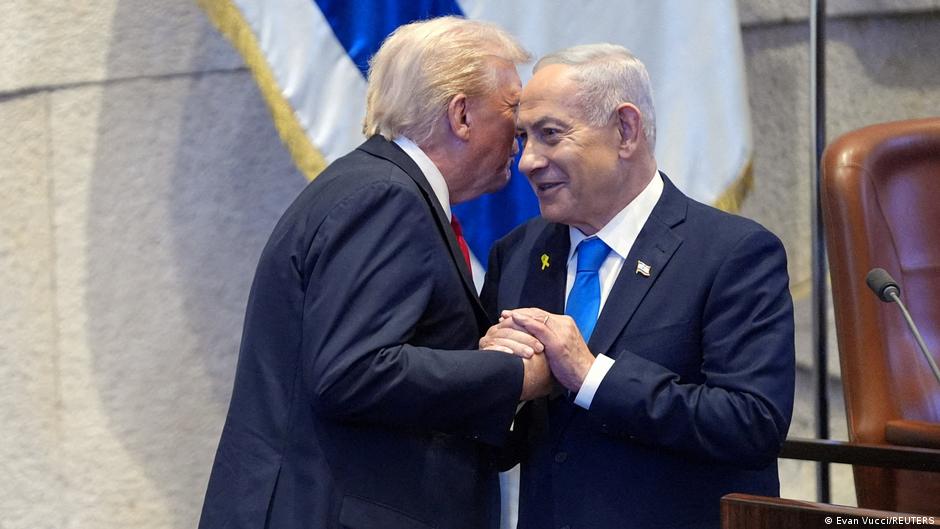
Amid escalating tensions in the Middle East, former US President Donald Trump reportedly castigated Israeli Prime Minister Benjamin Netanyahu in a phone call following Israeli Defense Forces' strikes on Beirut. The exchange, reported by Axios on June 1, revealed Trump's frustration with Netanyahu's actions, which he blamed for undermining a fragile ceasefire in the region.
Trump's Criticism and Its Implications
According to sources familiar with the conversation, Trump used explicit language to describe Netanyahu as "crazy," blaming him for the breakdown of the ceasefire between Israel and Lebanon. The US president also warned that Netanyahu's strike campaign had caused widespread international condemnation, isolating Israel further on the world stage.
"Because of the strikes on Lebanon, Netanyahu is hated by everyone," Trump reportedly said, emphasizing the diplomatic risks of continued military actions.
Trump additionally claimed credit for helping Netanyahu avoid prison on corruption charges, suggesting that Netanyahu’s current conduct could jeopardize prior political support and diplomatic goodwill.
On June 1, Netanyahu ordered attacks on southern suburbs of Beirut, citing an intensified conflict with the Iran-backed Islamist group Hezbollah. This followed an expansion of Israel’s ground operations in Lebanon after Hezbollah strikes targeted northern Israeli districts.
Humanitarian and Diplomatic Fallout
US officials close to the administration expressed alarm at the rising civilian death toll and destruction of residential areas as part of Israel's efforts to target Hezbollah commanders. These developments have complicated US-led efforts to maintain regional stability and revive stalled negotiations with Iran.
In response to the Israeli military actions, Iran’s Tasnim news agency, affiliated with the Islamic Revolutionary Guard Corps, announced a suspension of indirect talks with Washington, mediated through intermediaries. Iranian authorities linked the ongoing conflict in Lebanon to conditions for a ceasefire with the US, stating that fighting continues "on all fronts."
However, Trump refuted claims that negotiations had ceased, asserting in a Truth Social post that dialogue was "continuing at a rapid pace." He further stated that he had brokered agreements between Israel and Lebanon to halt reciprocal attacks, enabling negotiations to move forward.
The developments highlight the complex interplay of military actions and diplomatic efforts in the volatile Middle East, where sector rotations between conflict and negotiation remain highly sensitive to sudden shifts in fighting and political posturing.