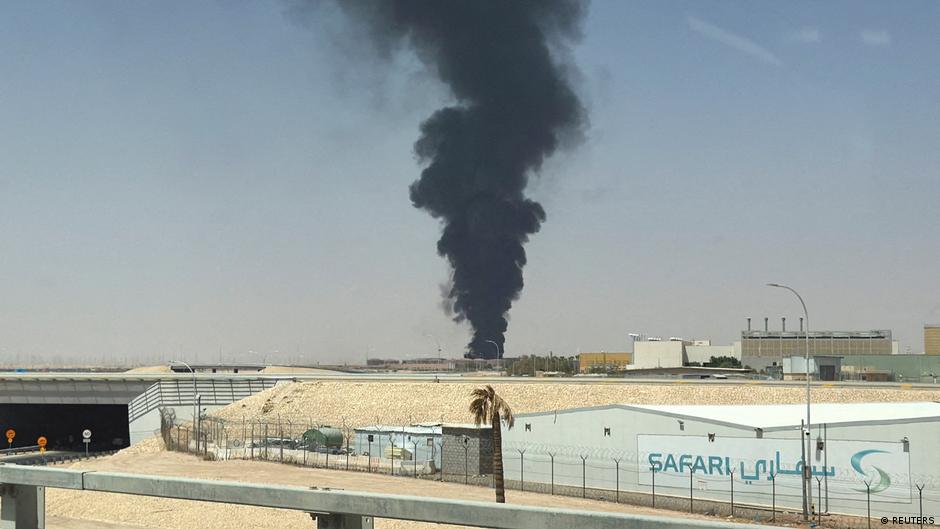
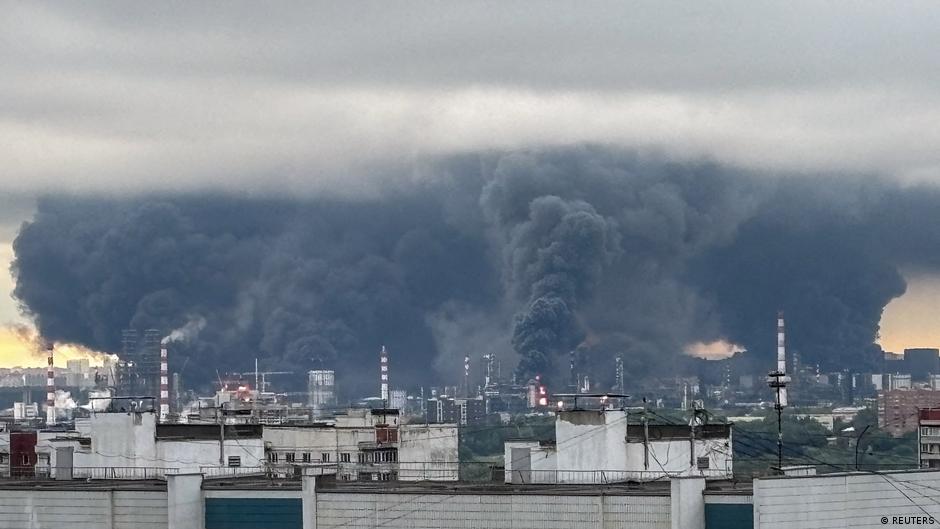
Russian Strikes Hit Kharkiv Residential Building and Odessa Agricultural Site Amid Rising Tensions
A Russian drone strike causes a fire in a Kharkiv high-rise while an Iskander missile attack in Odessa region results in casualties and property damage.
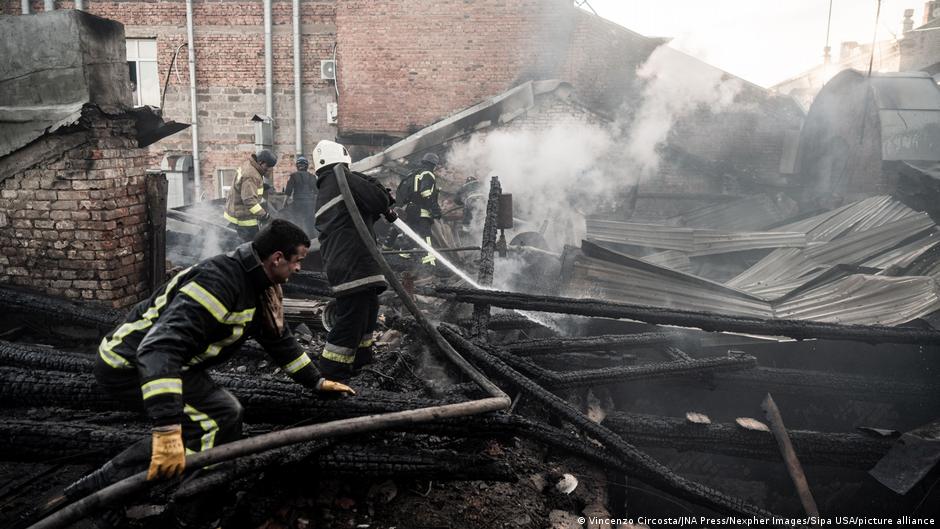
Russian military forces launched attacks on key civilian and agricultural targets in Ukraine’s Kharkiv and Odessa regions, intensifying conflict dynamics and disrupting local markets and infrastructure networks.
Drone Strike in Kharkiv Sparks High-Rise Fire
In the northern part of Kharkiv city, a Russian unmanned aerial vehicle (UAV) struck a multi-story residential building in the Shevchenkivskyi district. The impact hit the facade at about the 22nd floor, igniting a fire that was quickly extinguished by emergency services.
"The strike damaged the facade and shattered approximately ten windows. Preliminary reports indicate no casualties," said Kharkiv Mayor Ihor Terekhov.
The incident adds pressure to Kharkiv’s residential sector, potentially affecting market confidence and residential stability in the region.
Iskander Missile Strike in Odessa Targets Agricultural Enterprise
On the evening of June 21, Russian forces launched an Iskander ballistic missile targeting a farming enterprise in the Odessa district of Odessa Oblast. The strike resulted in one fatality and three injuries, according to regional authorities.
The missile attack caused a fire involving vehicles and fuel storage tanks, and destroyed a warehouse facility. Emergency services remain active on the scene to contain ongoing hazards.
These disruptions to agricultural infrastructure could have downstream effects on commodity supply chains and local economic conditions.
Strategic Defense Procurement Amid Escalation
Against the backdrop of ongoing attacks, Ukrainian President Volodymyr Zelensky announced a significant advancement in the country's air defense capabilities.
"We have already signed a substantial contract with German manufacturers for 600 air defense missiles," Zelensky stated in a recent interview. This procurement aims to bolster Ukraine’s capacity to intercept incoming threats, potentially influencing future market risk assessments and defense sector investments.
As hostilities persist, monitoring shifts in regional infrastructure integrity and defense procurement will remain crucial for market participants tracking risk and sector rotations within Eastern Europe.