Russian Drone Strike Hits Residential Areas in Odesa, Injuring Several Civilians
Russian military drones targeted Odesa's residential neighborhoods, causing injuries and property damage according to local officials.
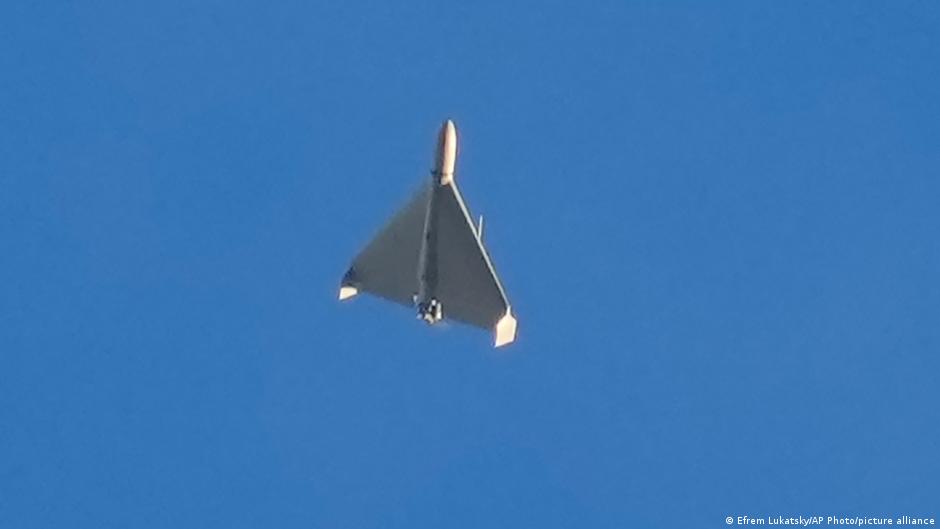
In a nighttime attack on Friday, April 24, Russian military forces launched a drone strike targeting the city of Odesa, Ukraine, resulting in multiple civilian injuries and significant property damage. The incidents were reported by Odesa's city and regional military administration heads, Sergey Lysak and Oleg Kiper.
Drone Attack Details and Impact on Civilians
According to Sergey Lysak, the strike primarily hit residential neighborhoods, impacting several buildings. "There were confirmed hits on multiple residential houses—two two-story buildings and one three-story building," he stated. Medical teams provided aid to two injured individuals at one site, while a third woman required hospitalization. Lysak noted that information about the total number of casualties is still being updated. Additionally, a non-residential building was also struck during the attack.
Oleg Kiper provided further details on the damage to a three-story building, noting that a drone struck the structure resulting in the destruction of apartments on the second and third floors. "Unfortunately, two people sustained shrapnel wounds—a 72-year-old woman and a 52-year-old man. The woman was transported to the hospital for treatment," Kiper reported. He also mentioned that windows were shattered in other buildings and several vehicles sustained damage.
"The attack caused harm to civilians and disrupted the residential fabric of Odesa," noted Odesa officials, emphasizing ongoing assessments of the situation.
Market Implications and Regional Stability Concerns
The drone assault in Odesa—an important port city on the Black Sea—adds to the growing regional instability impacting markets sensitive to geopolitical events. Infrastructure damage and civilian casualties underscore ongoing risks to local economic activity and trade routes. Investors and market participants should monitor developments closely, as escalating conflicts can influence sector rotations, particularly in energy, defense, and commodities.
While immediate market reactions to such events often include volatility in regional assets and a flight to safer instruments, the broader economic consequences depend on the progression of conflict and responses from international actors. Traders should also watch for shifts in trading volumes around stocks and commodities linked to Ukraine and Russia amid persistent security concerns.