Russia Declares Human Rights Foundation 'Undesirable' Amid Rising Geopolitical Tensions
The Russian General Prosecutor's Office blacklists American NGO Human Rights Foundation, citing its Tyranny Tracker project and association with opposition figures.
In a significant development reflecting increasing geopolitical tensions, the Russian General Prosecutor's Office officially designated the American non-governmental organization Human Rights Foundation (HRF) as "undesirable" on August 6, 2024. This move bars HRF's activities on Russian soil and signals heightened scrutiny of organizations perceived as critical of the Russian government.
Background and Justifications for the Ban
Founded in 2005, the Human Rights Foundation is internationally known for its promotion and defense of human rights. The organization recently launched the "Tyranny Tracker," an interactive digital map that categorizes countries based on their adherence to democratic principles. Russia is marked as a fully authoritarian state on this platform, a classification that reportedly triggered official Russian censure.
"The foundation disseminates information discrediting the Russian army and supports other organizations already declared 'undesirable' in Russia," the General Prosecutor's Office stated.
This designation aligns HRF with entities that Moscow views as hostile or destabilizing, indicating a broader clampdown on NGOs operating with perceived foreign influence. The official statement emphasizes concerns over HRF's alleged role in undermining Russia's military reputation and its cooperation with other banned groups.
Leadership Change and Political Context
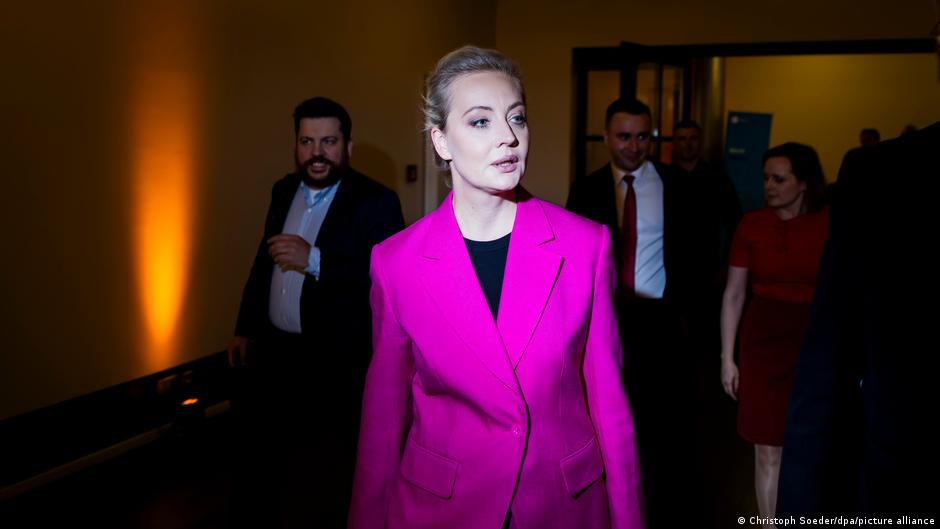
In 2024, the Human Rights Foundation appointed Yulia Navalnaya as its chairperson, succeeding former world chess champion and longtime opposition figure Garry Kasparov. Yulia Navalnaya's leadership symbolizes a continued connection between the HRF and prominent Russian opposition circles, further complicating the foundation's standing with Russian authorities.
This decision comes amid ongoing international disputes and internal political challenges within Russia, highlighting the intersection of human rights advocacy and geopolitical strategy.
Market observers should note that this development reflects broader patterns of sector rotation and risk assessment related to geopolitical events. The designation may influence investor sentiment toward sectors linked to Russia or affected by international sanctions and regulatory actions.