Putin Eases Russian Citizenship Rules for Transnistrian Residents Amid Geopolitical Tensions
New decree removes language and history exam requirements for Russian citizenship seekers from unrecognized Transnistria, impacting regional dynamics.
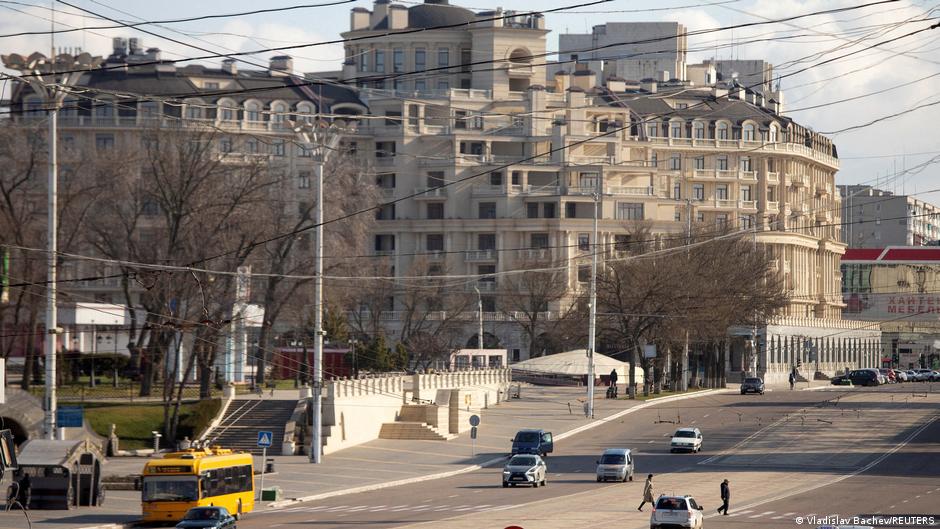
Russian President Vladimir Putin has signed a decree simplifying the process of obtaining Russian citizenship for residents of the unrecognized Transnistrian Moldovan Republic (PMR). The new rules exempt applicants from mandatory exams on the Russian language and Russian history.
The decree, published on May 15 on Russia's official legal information portal, allows all adult residents of Transnistria to apply for Russian citizenship without fulfilling additional requirements that previously included language proficiency and historical knowledge tests. Furthermore, the provision extends to orphaned children in Transnistria, enabling guardians to apply for Russian passports on their behalf.
Implications for Market and Regional Stability
Transnistria, a breakaway region on the left bank of the Dniester River in Moldova, declared independence in 1990 but remains unrecognized by any United Nations member state. The region hosts a Russian peacekeeping contingent, known as the Operational Group of Russian Forces, highlighting its strategic significance.
Recent statements by Russian Security Council Secretary Sergey Shoigu noted that over 220,000 residents of Transnistria hold Russian citizenship, within a population estimated at approximately 470,000. This sizable demographic with Russian passports could influence market dynamics, cross-border trade, and investment flows in the region.
"All adult residents of Transnistria can now obtain Russian citizenship without language or history exams," easing integration pathways amid ongoing geopolitical challenges.
For market analysts and investors, this policy shift signals potential changes in cross-border labor movement, capital flows, and sectoral rotations in the affected areas. The reduction of bureaucratic hurdles may facilitate increased economic interdependence between Transnistria and Russia, possibly leading to expanded trade volumes and altered market sentiments.
Additionally, the move could be interpreted as part of broader strategic maneuvers by Moscow to solidify its influence in post-Soviet territories, which may prompt adjustments in regional risk assessments and investment strategies.
Traders and market participants should monitor developments closely for potential impacts on currency valuations, local equities, and commodity flows tied to the Transnistrian region and neighboring markets.