Ukraine and Germany Accelerate Air Defense Cooperation Amid Ongoing Attacks
Ukrainian President Zelensky meets with German officials to boost air defense and drone production following deadly strikes on Kyiv.
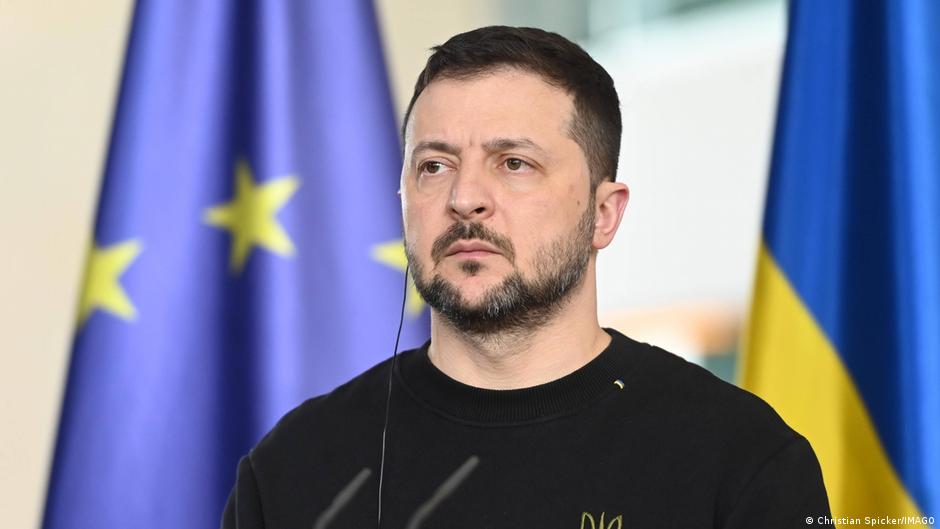
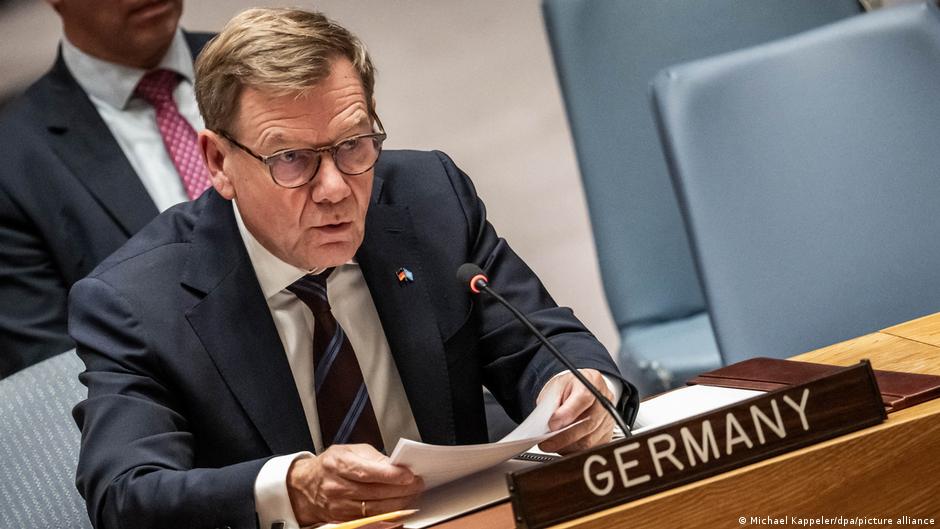
Ukrainian President Volodymyr Zelensky met in Kyiv on May 14 with Thorsten Frei, head of the Federal Chancellor's Office of Germany, and Martin Jäger, chief of Germany's Federal Intelligence Service (BND), to discuss enhancing Ukraine's defense against aerial attacks.
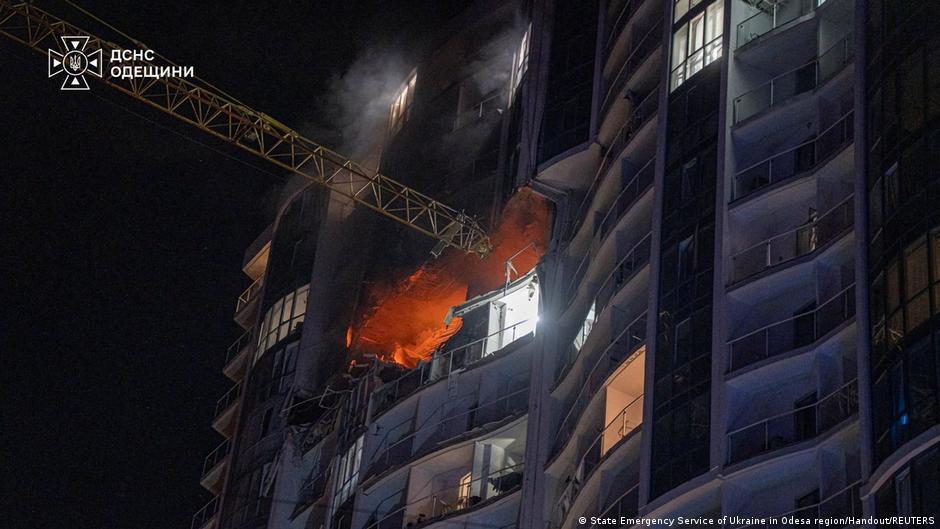
The meeting came just hours after a massive Russian missile and drone strike on Kyiv resulted in at least 21 fatalities and around 50 injuries. Zelensky described receiving "important signals of support" amid the onslaught.
"Germany has repeatedly helped strengthen our air defenses, and we hope for corresponding leadership now," Zelensky said, emphasizing the urgency of fast-tracking agreements on air defense systems to better protect Ukrainian civilians from ongoing terror attacks.
Boosting Drone Production and Air Defense Capabilities
In addition to air defense cooperation, the two parties discussed a proposed "drone deal" initiated by Kyiv, aiming to expand Ukraine's unmanned aerial capabilities. Zelensky remarked, "We are ready to strengthen those who have strengthened us."
Earlier in April, Germany and Ukraine agreed to deepen their defense partnership, including joint production of medium- and long-range drones. This collaboration also encompasses multi-million euro investments into Ukrainian long-range strike capabilities and enhanced intelligence sharing between their defense ministries.
On May 11, German Defense Minister Boris Pistorius, during a visit to Kyiv, confirmed ongoing work on drones capable of ranges up to 1,500 kilometers. He also reiterated Germany's plans to join Ukraine's Brave1 platform, a coalition of Ukrainian military and innovative defense technology developers. The Berlin-Kyiv partnership further aims to develop weapons systems integrated with artificial intelligence components.
These steps reflect a strategic move by Germany to provide advanced military technology and intelligence support to Ukraine in the face of persistent Russian aerial assaults, reinforcing Kyiv's ability to defend its airspace and territory.