Latvian Coalition Government Collapses Following Defense Minister’s Resignation Amid Security Concerns
Latvia’s ruling coalition dissolves after Defense Minister Sprūds resigns over drone incursions, triggering political instability ahead of parliamentary elections.
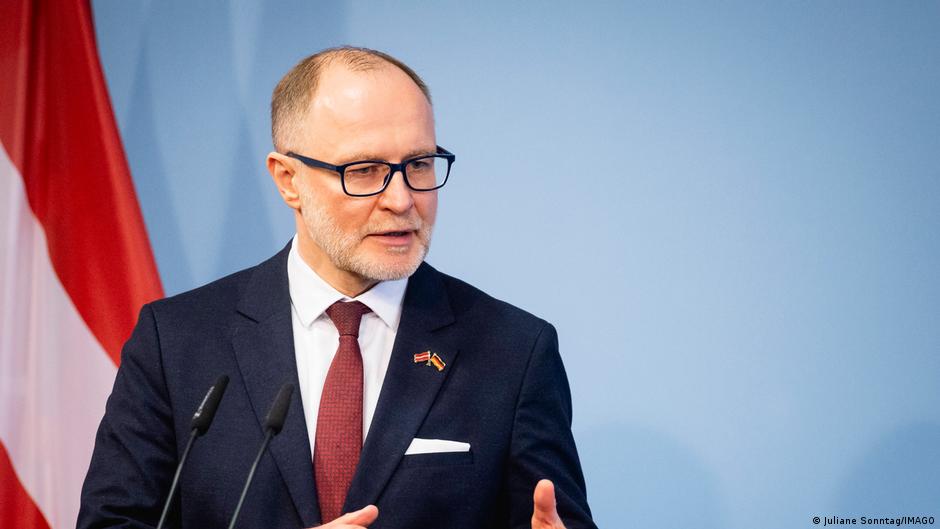
Latvia's ruling coalition, composed of the parties New Unity, Progressives, and the Union of Greens and Farmers, has officially collapsed following the resignation of Defense Minister Andris Sprūds amid a security incident involving unauthorized drone incursions.
The coalition break came on Wednesday, May 13, with Andris Šuvajev, leader of the Progressives faction in the Latvian parliament, declaring the government ineffective after a meeting with Prime Minister Evika Siliņa of New Unity. The Union of Greens and Farmers concurred with this assessment, signaling broad disapproval within the coalition ranks.
Political Fallout from Security Breach
Sprūds stepped down on May 10 after two drones entered Latvian airspace, allegedly traveling from Ukraine to Russia. The incident raised serious questions about national security oversight, with Prime Minister Siliņa stating that the Defense Minister had lost her confidence due to the military leadership's failure to maintain promised airspace security.
"At this stage, there are only two options: either Siliņa resigns due to lost public trust, or the parliament ends her tenure through a vote," declared Andris Šuvajev.
Following Sprūds’ resignation, Siliņa proposed Colonel Raivis Melnis, a professional military officer, as the new defense minister. While she invited the Progressives to continue coalition cooperation, they have not yet provided a definitive response, requesting additional time for internal discussions.
Šuvajev called on President Edgars Rinkēvičs to initiate consultations to form a new government, emphasizing the urgency of restoring stable leadership. However, the Progressives have not withdrawn their remaining ministers from the cabinet, indicating a cautious approach to escalating the crisis.
Opposition parties have moved to capitalize on the coalition’s collapse by preparing a parliamentary vote of no confidence against the current government. Without the Progressives’ nine votes, the government holds only 41 seats out of 100 in the parliament, whereas the opposition controls 47 seats, raising the likelihood of government replacement.
President Rinkēvičs, commenting on the political turmoil via social media on May 13, underscored Latvia’s need to avoid instability just five months before scheduled parliamentary elections. He stressed the importance of decisive governance with parliamentary support to bolster the country’s defense capabilities amid the tense European security environment.
To address the crisis, Rinkēvičs has convened a meeting on May 15 with parliamentary faction leaders, urging all parties to present constructive proposals to resolve the political deadlock swiftly.
The coalition’s disintegration highlights the fragility of Latvia’s current government amid escalating security concerns and prepares the stage for significant political shifts as the country approaches its upcoming elections.