Uzbekistan’s Meat Imports Surge Amid Slowing Domestic Production and Rising Prices
Meat import values in Uzbekistan rose by nearly 63% in early 2026 as local production growth slows and global price pressures mount.
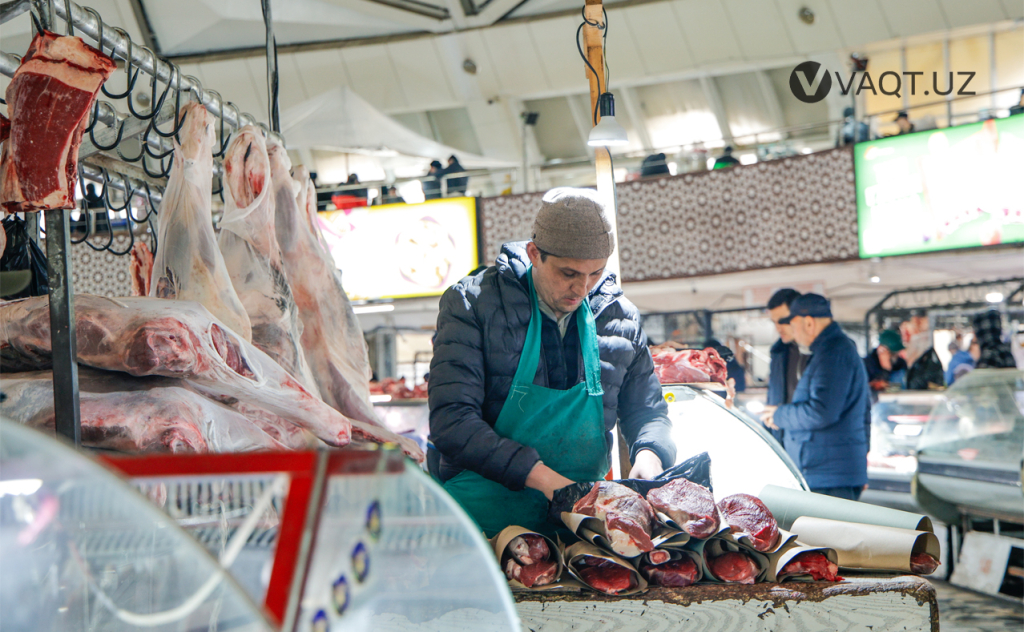
Uzbekistan has seen a sharp increase in meat imports in the first four months of 2026, with import values reaching $320.6 million. This represents a 62.8% increase compared to the same period in 2025, according to customs data. The volume of imported meat also rose by 36.6%, totaling 98,000 tons.
Rising Costs and Shifting Supply Dynamics
The largest portion of imported meat is beef, with 49,850 tons brought in during the period, followed by 22,700 tons of chicken. Price pressures from global market instability, complicated logistics, and inflation have driven up the cost of meat imports compared to last year.
Beef import prices increased from $4.07 per kilogram in 2025 to $4.80 in 2026. The price of imported lamb more than doubled from $1.03 to $2.87 per kilogram. Notably, chicken meat import prices remained relatively stable, moving slightly from $1.22 to $1.20 per kilogram.
Domestic meat production in Uzbekistan during the first quarter of 2026 showed modest growth of 2.9%, with a total output of 580,200 tons. This is the first time since 2022 that production growth has been below 3% in a quarter, signaling a slowdown in local meat output expansion.
"The slowdown in meat production is primarily due to rising feed costs for livestock, which has led to reduced meat production in farming and household sectors."
As a result, Uzbekistan is increasingly relying on more expensive imports to satisfy domestic meat demand. This dependency comes amid rising prices for feed, which are impacting livestock farmers’ capacity to increase output.
Market Impacts and Price Trends
According to the Central Bank, meat prices surged significantly in 2025. Beef prices rose by 23.9%, boneless beef by 25%, and lamb by 26.9%. By March 2026, annual growth rates remained high at 15.1% for beef, 15.5% for boneless beef, and 18.2% for lamb.
Retail meat prices have escalated as well, with market prices reaching up to 200,000 Uzbek soums per kilogram and supermarket prices peaking at 259,000 soums. In April alone, lamb prices increased by 3.7% and beef by 3.2%, placing meat among the fastest rising food products.
Continued reliance on imports, combined with rising import costs, suggests that meat prices in Uzbekistan may continue to rise in the near term. The slowing domestic production and persistent global price pressures are contributing to this upward trend, limiting short-term price stabilization prospects.
Market participants and consumers should closely monitor import volumes and price trends, as these factors will heavily influence Uzbekistan’s meat market dynamics in 2026.