Trump: China Interested in Purchasing U.S. Oil and Soybeans Amid Trade Talks
Following high-level talks in Beijing, Trump reveals China's interest in U.S. energy and agriculture exports and its potential influence on Iran.
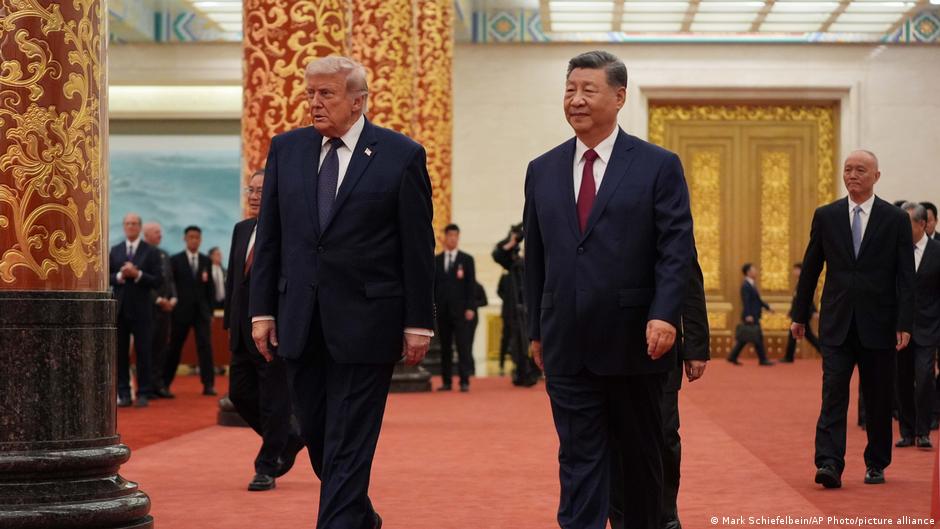
China has shown renewed interest in purchasing American oil and soybeans, according to U.S. President Donald Trump following his meetings with Chinese President Xi Jinping in Beijing. The announcement came after a two-hour negotiation session, highlighting potential shifts in trade relations between the world’s two largest economies.
China’s Strategic Purchase Intentions and Iran Relations
During an interview with Fox News on the night of May 15, Trump disclosed that China, historically a significant purchaser of Iranian oil, had been importing only modest volumes of U.S. crude before the initiation of the U.S.-China trade war in 2015. The trade tensions prompted Beijing to sharply reduce its purchases of American soybeans, opting instead for Brazilian supplies.
"China wants to help in negotiations to end the US and Israel conflict with Iran and to resume shipping through the Strait of Hormuz," Trump shared, citing discussions with Xi Jinping.
Trump further expressed optimism about Xi’s potential leverage over Tehran, stating that the Chinese leader assured him that Beijing would refrain from supplying weapons to the Islamic Republic. This commitment aligns with ongoing diplomatic efforts to stabilize the volatile Middle Eastern region.
The U.S. president emphasized that he would no longer tolerate current Iranian policies and urged Tehran to negotiate a deal with Washington. Regarding Iran’s stockpile of enriched uranium, Trump remarked that it "could be buried," but he "would rather have it," possibly alluding to disarmament or control measures.
Trump also described the current Iranian leadership as "reasonable," highlighting a potential opening for dialogue and further negotiations amidst heightened geopolitical tensions.
Market Implications and Sector Rotation
The prospect of increased Chinese purchases of American oil and soybeans could signal a significant uplift for U.S. commodities markets. Energy traders may see increased volumes in crude oil futures as demand signals strengthen, while agricultural markets could experience sector rotation favoring soybeans over alternative crops.
Market participants will closely monitor any official trade agreements or policy announcements resulting from these high-level talks, as they have the potential to influence global supply chains, commodity prices, and trade balances.