UK Plans £18 Billion Defense Budget Increase Amid Political Turmoil
Prime Minister Keir Starmer set to announce a significant boost in defense spending to address security concerns and internal party unrest.
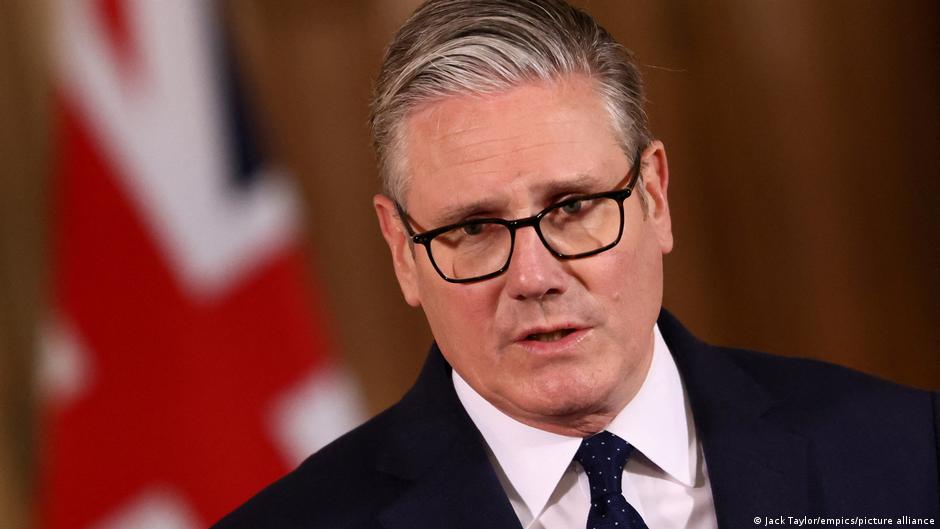
The United Kingdom is poised to increase its defense budget by £18 billion (approximately €20.6 billion), according to reports from British media outlets. This substantial rise in military expenditure is expected to be unveiled by Prime Minister Keir Starmer between May 18 and May 24, marking a critical move amid growing political instability within the ruling Labour Party.
Defense Spending and Political Context
Insiders within the British government have indicated that the new defense package will be financially manageable within the broader government budget, though details regarding the source of funding remain unclear. Current projections show that defense spending for the fiscal year 2025-2026 is expected to reach £62.2 billion, underscoring the UK's commitment to bolstering its military capabilities.
"The new defense package will be quite manageable for the budget," a government source revealed.
The timing of this announcement is seen as particularly significant given the internal pressures faced by Prime Minister Starmer. In recent days, dozens of Labour Party members of parliament have called for his resignation, reflecting a severe political crisis within the government. Critics have accused Starmer of failing to translate his promises of prioritizing defense and security—especially in light of ongoing conflicts in Ukraine and Iran—into tangible policy actions.
Starmer has previously emphasized that strengthening the UK's defense and national security would be central to his administration's agenda. The proposed increase in defense spending could serve as a response to both external security challenges and the mounting political dissatisfaction within his party.
Market Implications and Sector Rotation
This anticipated surge in defense expenditure is likely to have immediate effects on the UK defense sector and related markets. Investors may expect increased government contracts for defense manufacturers, potentially leading to gains in defense equities and suppliers. Market participants should monitor trading volumes and price movements in defense stocks for early signals of sector rotation.
Additionally, the budget increase could influence broader economic indicators, including government bond yields and fiscal policy outlooks, as the government balances increased spending with existing fiscal constraints.
Overall, the UK government's move to expand defense spending not only addresses strategic security concerns but also plays a pivotal role in the domestic political landscape, with potential ripple effects across market sectors sensitive to government budgets and geopolitical developments.