Latvian President Urges NATO to Prepare for Possible Escalation with Russia
Edgars Rinkēvičs emphasizes need for increased military capabilities and warns of potential direct NATO-Russia confrontation.
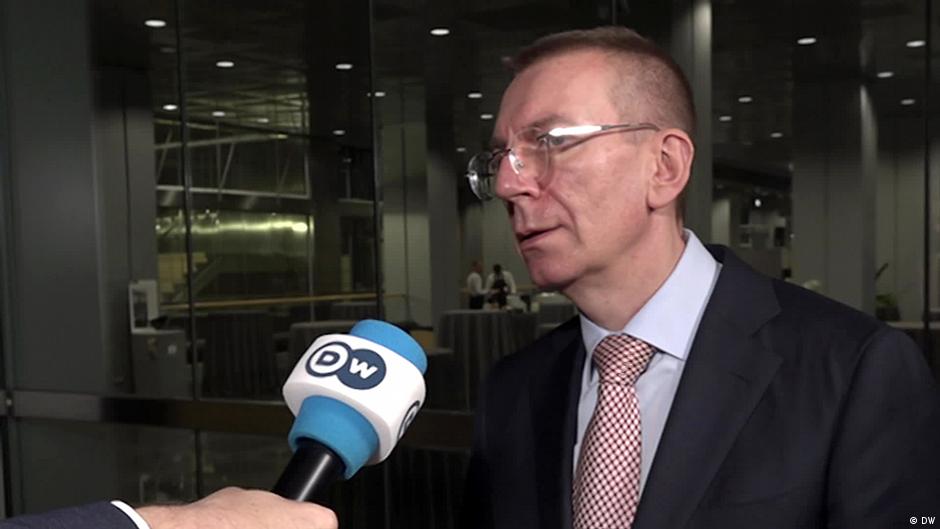
Latvian President Edgars Rinkēvičs has called on NATO to prepare for scenarios involving further escalation of the conflict with Russia, including the possibility of open confrontation between the alliance and Moscow.
Calls for Enhanced Military Readiness and European Defense Spending
In an interview on July 3, Rinkēvičs highlighted that current European defense expenditures, even with commitments to reach 5% of GDP, are insufficient to ensure adequate military capabilities. He stressed that the real challenge lies not solely in funding but in possessing the necessary armaments, missiles, and equipment that these budgets should procure.
"Money is very important, but it is essential to have the weapons, missiles, and equipment that can be acquired with those budgetary resources," the Latvian president stated.
Rinkēvičs urged NATO members to send a clear message to the Kremlin: if Russia dares to challenge NATO, the alliance’s response will be proportional. He underscored that peace in Ukraine cannot be achieved without active European participation.
Highlighting Latvia’s interests in security, he also reaffirmed the country's integration into the European Union as a strategic priority with significant security implications.
Diplomatic Engagement Ahead of NATO Summit
On July 3, ahead of the upcoming NATO summit in Ankara, President Rinkēvičs visited Berlin and met with German Chancellor Friedrich Merz, alongside Estonian Prime Minister Krišjānis Kariņš and Lithuanian President Gitanas Nausėda. Following the meeting, Merz declared that "the security of the Baltics is also the security of Germany," signaling strong German support for Baltic defense.
Rinkēvičs further emphasized the indispensable role of the United States in European defense cooperation, regardless of varying political rhetoric within European circles.
The president’s remarks come amid ongoing concerns about Russia’s intentions in Eastern Europe and the need for NATO to maintain credible deterrence and rapid response capabilities.