EU’s Top Diplomat Warns Russia, China, and US Aim to Weaken European Union Unity
EU foreign policy chief Kaya Kallas highlights geopolitical strategies targeting EU cohesion amid global tensions.
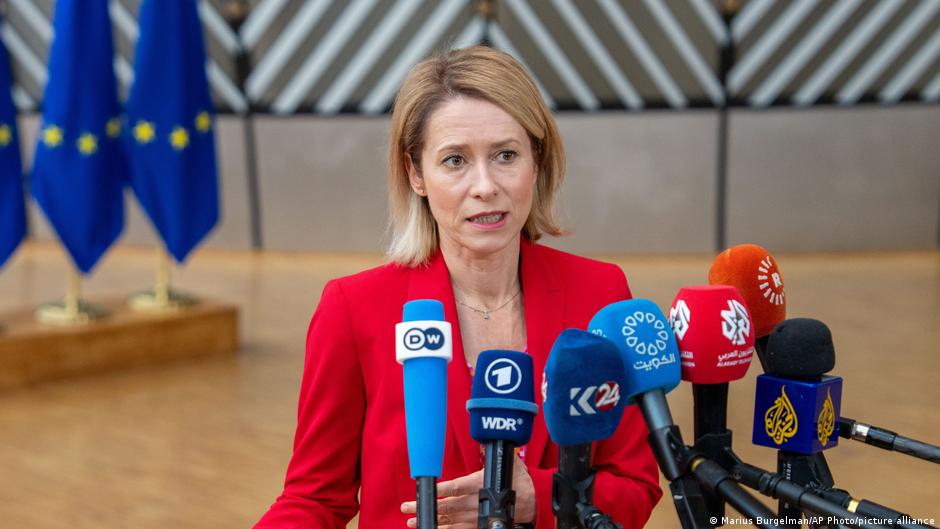
European Union High Representative for Foreign Affairs and Security Policy Kaya Kallas has publicly accused Russia, China, and the United States of pursuing strategies designed to undermine the unity of the European Union. Speaking at the Lennart Meri Conference in Tallinn, Kallas emphasized the strength of the EU when member states act collectively, contrasting it with the challenges posed by global powers leveraging division.
Geopolitical Fragmentation as a Strategic Tool
"If we stand together and act together, then... we are strong," Kallas stated, underscoring the importance of EU solidarity. She alleged that Russia, China, and the US adopt a "divide and rule" approach towards the EU, aiming to weaken the bloc by encouraging bilateral relations with individual member states rather than with the Union as a whole. "Why do these powers want to break up the European Union? Because together we are much stronger," she explained.
"They do not like the European Union, that is quite clear." — Kaya Kallas
Kallas elaborated on the strategic motives behind this approach, stating it is easier for these global powers to negotiate and exert influence over smaller, individual countries than over a united EU capable of acting as an equal player on the international stage.
She expressed concern that some EU countries are weakening the bloc by pursuing separate bilateral agreements with Washington, warning that such divisions play into the hands of external powers. "I am very worried because sometimes I see some countries going down this path. Division really works," Kallas said.
Context of EU-US Relations and Internal Challenges
Since the beginning of Donald Trump's second term, numerous EU member states have sought to maintain direct channels of communication with the US administration. For example, Italy’s Prime Minister Giorgia Meloni positioned herself as a potential intermediary between Europe and Washington. However, this approach faltered amid criticism from Trump towards Pope Leo XIV, illustrating the fragile nature of such bilateral efforts.
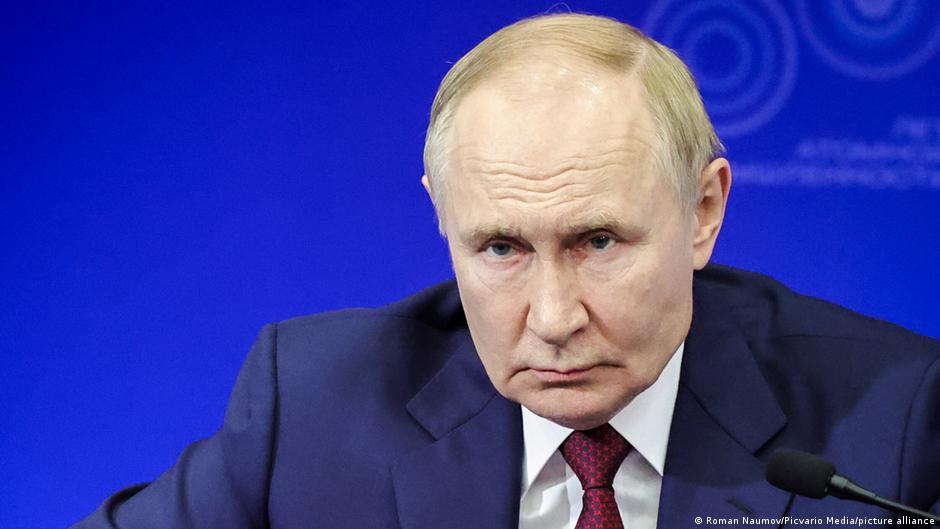
Earlier in May, Kallas rejected Russian President Vladimir Putin's proposal to appoint former German Chancellor Gerhard Schröder as the EU’s representative in peace negotiations with Russia. She stated, "If we grant Russia the right to appoint a negotiator on our behalf, that would be unwise," highlighting the EU’s commitment to maintaining control over its diplomatic processes.
The EU’s external affairs chief’s statements come amid increasing geopolitical tensions and reflect the bloc’s focus on preserving unity in the face of external pressures. Market participants and geopolitical analysts closely monitor such developments, as EU cohesion plays a critical role in shaping trade policies, energy security, and regulatory frameworks that impact global markets.