US to Cut NATO Fighter Jets and Naval Assets Amid Strategic Shift to Indo-Pacific
Washington plans to reduce the number of combat aircraft and warships supplied to NATO in Europe, impacting alliance’s long-range strike and reconnaissance capabilities.
The United States is set to significantly reduce the number of combat aircraft and naval vessels it provides to NATO operations in Europe, according to reports citing senior European officials. This move marks a notable shift as Washington reorients its military focus toward the Indo-Pacific region.
Reduction in NATO Air and Naval Assets
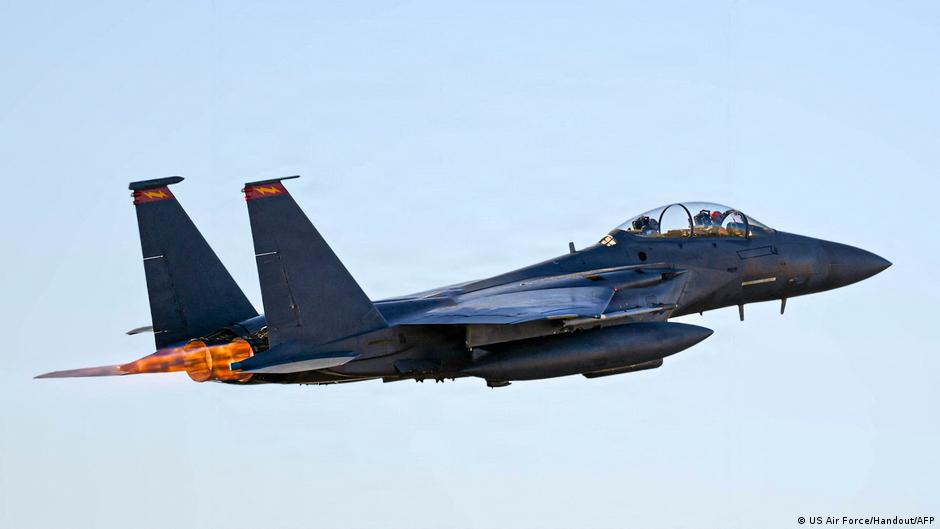
Sources reveal that the U.S. intends to cut its fighter jet inventory supporting NATO from approximately 150 to around 100 aircraft. This includes reductions in F-16 and F-15E fighter jets. Reconnaissance aircraft numbers are also slated to fall from 26 to 15. All eight aerial refueling tankers currently deployed in Europe are to be withdrawn, alongside the redeployment of a ballistic missile submarine, an aircraft carrier, multiple warships, and dozens of aircraft associated with the carrier’s missions.
According to the information, these measures will constrain NATO's ability to conduct long-range strikes and surveillance operations in Europe. The European partners were reportedly informed about this plan in early June through a confidential document, parts of which have been reviewed by journalists.
“This decision will limit NATO’s capacity for delivering long-range strikes and conducting surveillance,” the confidential communication reportedly stated.
The reduction timeline is expected to commence imminently, much sooner than European allies had anticipated, signaling a rapid strategic realignment by the U.S. Department of Defense.
Strategic Implications and Alliance Burden Sharing
This development follows earlier disclosures that the U.S. will withdraw one of its four combat brigade groups from Europe. The move will decrease the American troop presence in the region to levels seen in 2021. Combat brigade groups, which include infantry and armored units numbering between 4,000 to 5,000 soldiers, form the cornerstone of U.S. Army tactical strength in Europe.
Historically, the U.S. contributed roughly half of NATO’s military capacity. With these cuts, Washington is expected to solicit proposals from European member states at the upcoming Force Sourcing Conference to identify which nations can fill the capability gaps arising from the U.S. drawdown.
The reassignment of military assets reflects the Pentagon's strategic pivot towards countering challenges in the Indo-Pacific theater, prioritizing resources for operations in that region over maintaining extensive forces in Europe.
This realignment includes reductions in various key military platforms, such as fighter jets, naval vessels, drones, aerial refuelers, and strategic bombers. The shift underscores growing concerns over balancing NATO commitments while addressing emerging geopolitical threats elsewhere.
While the U.S. maintains a significant footprint in Europe, with tens of thousands of troops stationed either permanently or on a rotational basis, this recalibration signals a new phase in transatlantic defense collaboration and burden sharing.