Germany Identifies 410 Islamist Threats Amid Rising Radicalization Consultations in 2026
Federal authorities classify 410 individuals as Islamist threats while radicalization consultations remain at high levels in early 2026.
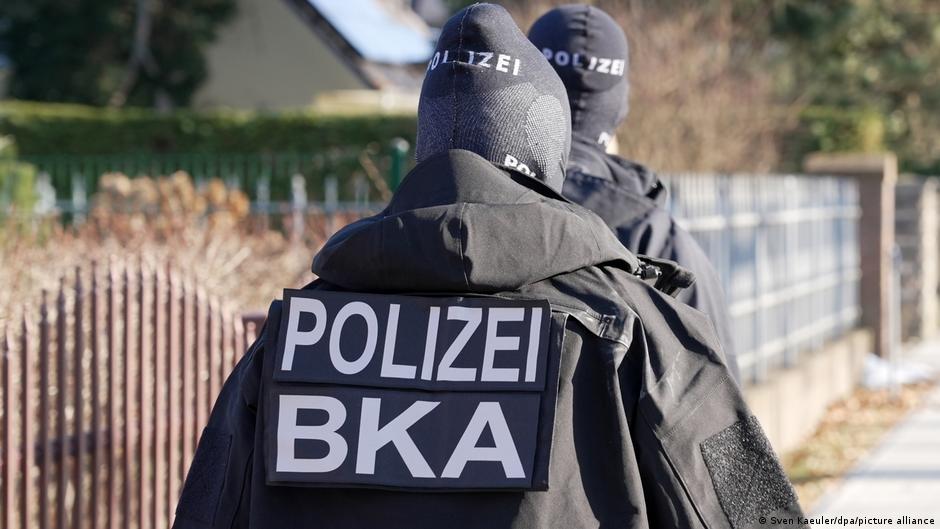
Germany currently identifies 410 individuals as threats linked to Islamist extremism, according to the Federal Criminal Police Office (BKA) as of July 1, 2026. This classification reflects concerns over potential involvement in serious violent crimes including terrorist attacks.
Alongside Islamist threats, 65 people are categorized as potential right-wing extremists, and 17 as potential left-wing extremists, highlighting the broad spectrum of security concerns monitored by federal authorities.
Consultations on Radicalization Remain Elevated
The Federal Office for Migration and Refugees (BAMF) recorded 165 consultations regarding Islamist radicalization during the first half of 2026. These consultations—requests for guidance on radicalization signs and prevention—remain at levels comparable to 2023, indicating a sustained public and institutional vigilance.
"The demand for consultations on Islamist radicalization remains high, reflecting ongoing societal sensitivity to the issue," a BKA representative noted.
More than half of these consultations in 2025 originated from official institutions such as schools, while nearly 43% came from families of individuals suspected of radicalization. Parents were the largest group seeking advice, with the average age of those potentially radicalized just under 19 years old.
The terrorist attack by the Palestinian Islamist group Hamas against Israel on October 7, 2023, marked a turning point, increasing public concern and resulting in a rise in consultation requests related to radicalization.
High-Profile Case Highlights Security Challenges
Cases like that of Abdul B., a 21-year-old German citizen of Lebanese descent, underscore ongoing challenges. Abdul was involved in a violent attack during the Christopher Street Day (CSD) LGBT parade in Berlin on July 25, 2026, where he drove a white van into a crowd near Brandenburg Gate, injuring 29 people and killing one.
Previously detained on suspicion of planning a terrorist attack, Abdul was released from a juvenile detention facility just two months prior. Authorities revealed connections to Islamist circles and an earlier attempt to travel to Syria to join ISIS. His case has sparked significant debate about the handling of individuals deemed high-risk.
The German Interior Minister Alexander Dobrindt labeled the Berlin attack an Islamist terrorist act, while security union leader Dirk Peglow criticized the premature release of high-risk individuals, calling for continuous monitoring and deradicalization efforts both during detention and after release.
Bavarian Interior Minister Joachim Herrmann described the court’s suspended sentence for Abdul—issued in May 2026 for preparing a serious violent state crime—as a "catastrophe," emphasizing the need for stricter judicial approaches in terrorism-related cases.
Federal and Regional Coordination in Threat Management
Responsibility for assigning and revising threat status lies with Germany's federal states, with the number of classified individuals fluctuating accordingly. The Federal Consultation Center on Radicalization supports urgent cases through regional networks such as the Violence Prevention Network (VPN), which had prior contact with Abdul B.
Authorities continue to balance proactive threat identification and public safety with rehabilitative and preventive measures amid evolving extremist risks.