Brazil Election Dispute Puts Political Risk in Focus for Markets
Lula secured 51.8% of the vote, while Flavio Bolsonaro called for the runoff result to be annulled over extended polling hours.
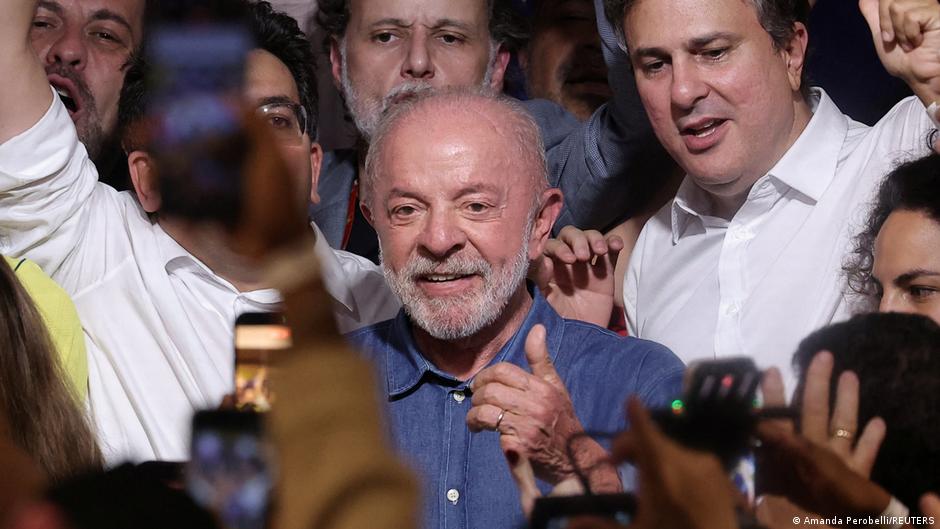
Brazilian political risk moved into focus after President Luiz Inacio Lula da Silva won a closely contested runoff election and his opponent, Senator Flavio Bolsonaro, refused to concede, demanding that the result be annulled.
Official results gave the 80-year-old center-left incumbent 51.8% of the vote, compared with 48.2% for Bolsonaro, a right-wing populist and the son of former far-right President Jair Bolsonaro. The second round was held on Sunday, October 25.
The narrow margin and immediate challenge to the outcome create a potentially significant event for investors monitoring Brazilian assets. The source report provided no real-time prices, trading volumes or direct market reaction, leaving attention centered on whether the dispute develops into a prolonged institutional confrontation or is resolved through established legal channels.
Result challenged over late extension
Flavio Bolsonaro cited the extension of voting hours in calling for the election to be annulled, according to the Associated Press. Earlier, both Lula and Bolsonaro had requested longer opening hours at polling stations because of public transport problems and adverse weather conditions in parts of Brazil.
Supreme Court Justice Cristiano Zanin ultimately ordered voting to continue for another two hours. The decision came only three minutes before polling stations had been scheduled to close.
The immediate market issue is not the published vote count alone, but whether the legal challenge affects confidence in the transition and Brazil’s institutional stability.
The runoff produced a first in Brazilian political history: Lula became the first presidential candidate to win the election after finishing second in the opening round. The outcome will give him a fourth, nonconsecutive term as president.
For markets, the next phase is likely to be shaped by the speed and transparency of the official response to Bolsonaro’s demand. A rapid institutional resolution could reduce uncertainty, while an extended dispute could keep domestic political risk elevated. Without reported pricing data, however, no conclusion can yet be drawn about the direction or scale of moves in Brazilian equities, government bonds, the real or individual sectors.
Street celebrations follow official count
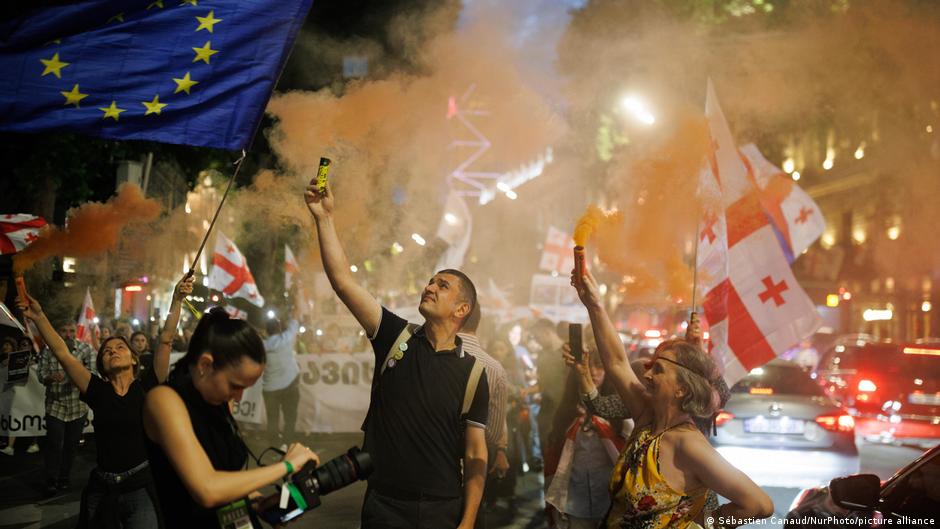
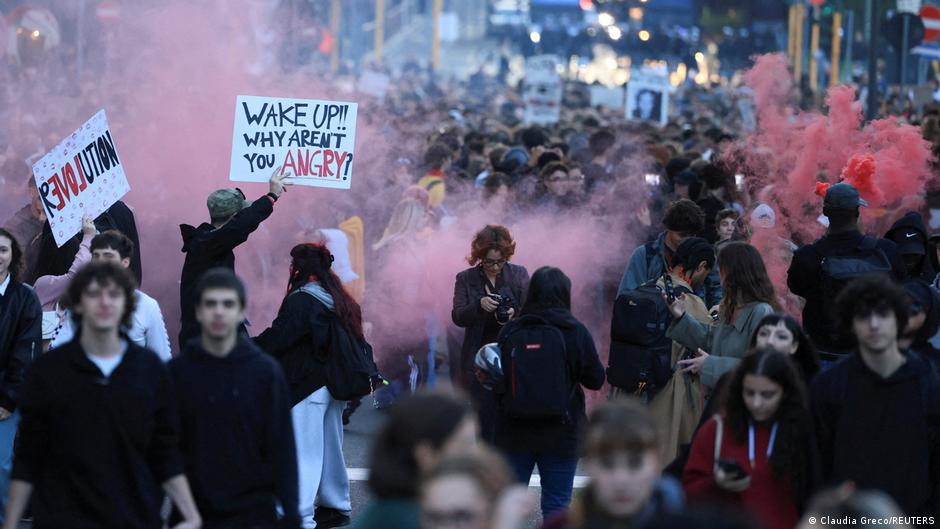
Celebrations began after the results were announced. Fireworks and vuvuzelas were heard in Rio de Janeiro, while thousands of people wearing red, the color of Lula’s Workers’ Party, gathered in the streets of Sao Paulo to celebrate his victory, AFP reported.
The public response underscored the high political stakes surrounding the vote. Lula’s reelection campaign was complicated by voter concerns about the cost of living and rising crime. The campaign also unfolded against a backdrop of corruption scandals, economic instability and allegations of interference by the United States.
Those issues remain relevant for traders assessing policy expectations after the election. Cost-of-living pressures place household finances and consumer-facing sectors under scrutiny, while concerns about crime can affect perceptions of operating conditions and investment risk. Economic instability also raises questions about the policy environment confronting the incoming administration as Lula prepares to begin another term.
At the same time, the result itself does not establish how specific assets or industries will perform. The report contained no policy announcements, fiscal targets, cabinet appointments or sector-specific measures. It also provided no information on foreign-exchange turnover, equity-market breadth, bond yields or trading volumes. Investors therefore have a political result and a formal challenge, but limited new data with which to price the likely economic response.
Investors watch institutions and policy signals
The immediate focus is expected to remain on the electoral and judicial process. Market participants will be watching for decisions concerning the annulment request, statements from electoral authorities and signs of whether Bolsonaro’s challenge attracts broader political support.
Attention will also turn to Lula’s plans for his fourth term. His victory confirms continued center-left leadership, but the close 51.8%-to-48.2% result highlights a deeply competitive political environment. That division may influence perceptions of the government’s ability to pursue its agenda, although the source report did not provide details about legislative support or planned reforms.
Until official institutions address the challenge, Brazil remains exposed to a period of elevated headline risk. The key variables for markets are the durability of the certified result, the prospect of legal escalation and the timing of credible economic-policy signals. Any assessment of sector rotation or changes in trading activity will require market data that was not included in the initial election report.