US Supreme Court Allows Trump to Resume White House Ballroom Construction Amid Legal Disputes
The Supreme Court has temporarily lifted lower court orders halting the White House renovation project, including a ballroom and military bunker.
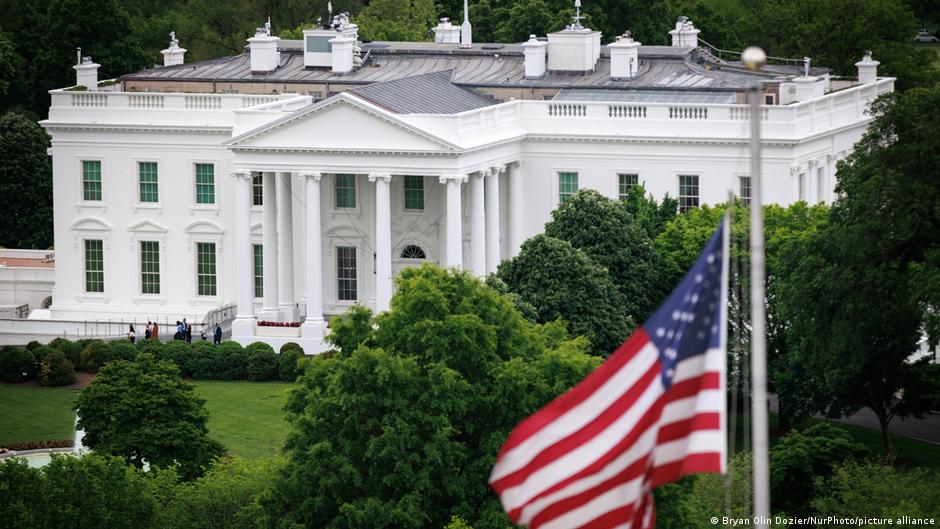
The U.S. Supreme Court has granted President Donald Trump permission to continue with a significant renovation project at the White House, which includes the construction of a new ballroom and a military bunker. This decision temporarily overturns rulings by lower courts that had halted the project.
Legal Battle Over White House Renovation
On Friday, August 21, Chief Justice John Roberts issued an order temporarily blocking the decisions of lower courts that required the suspension of the extensive reconstruction efforts at the White House. The Federal Appeals Court in Washington had previously prohibited President Trump from proceeding, citing that the current administration does not possess "unlimited authority" to redesign and rebuild the White House based on the personal preferences of the president.
"The administration’s attempt to drastically alter the White House without congressional approval raises significant legal questions about executive power limits."
President Trump’s administration challenged this ruling, emphasizing the importance of the project for national security and architectural significance. According to Trump, the new complex—which includes a state-of-the-art ballroom and a military bunker—will be "the greatest structure of its kind." He has further asserted that the expansion is vital for the country's security infrastructure.
Last year, without congressional authorization, the president ordered the demolition of the historic East Wing of the White House to clear space for the ballroom and bunker construction. This bold move has fueled ongoing legal disputes and criticism, but the Supreme Court’s intervention now allows the administration to advance the project, at least temporarily.
The renovation is part of a broader vision that President Trump has announced to transform the appearance of Washington, D.C., by the end of his second term, which is scheduled to conclude in January 2029. Among other ambitious plans, he aims to reconstruct the Reflecting Pool area to include a 76-meter tall triumphal arch, a structure nearly three times the height of Berlin’s iconic Brandenburg Gate.
Market observers are watching closely as this high-profile construction project unfolds, given its potential implications for government spending, preservation of historical landmarks, and the balance of executive power.