Trump Offers U.S. Help as Russia Pneumonia Reports Raise Border Alert
Washington says it is monitoring reports from Irkutsk while nearby countries tighten sanitary controls and Russian officials urge reliance on health agencies.
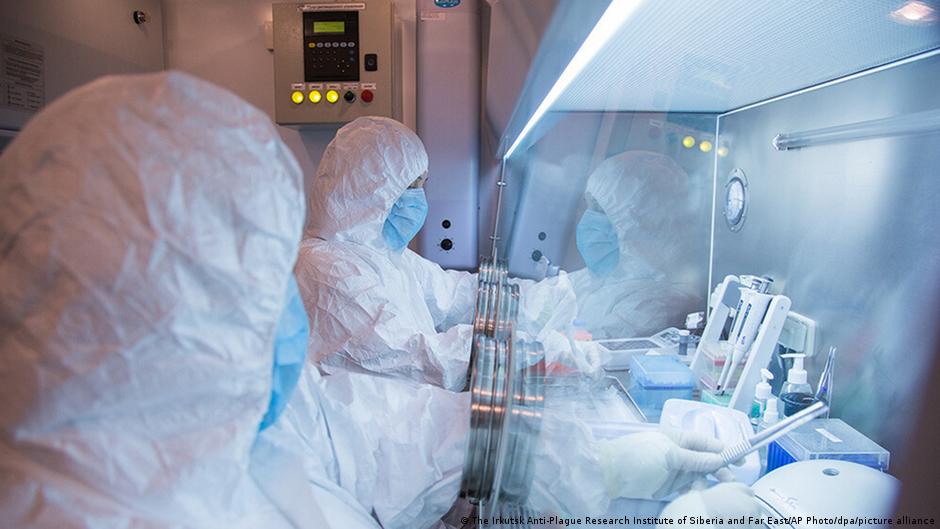
The White House is monitoring reports from Russia about a possible outbreak of a severe pulmonary infection in the Irkutsk region, a development that has drawn attention beyond public health circles because of its potential to affect border flows, regional transport routes and market risk sentiment across parts of Eurasia.
U.S. President Donald Trump addressed the reports while answering questions from reporters on Monday, October 5. He expressed regret that Russia may be facing such an illness and said the United States would be ready to help if needed. According to the Russian-language source, Washington has not been in direct contact with Moscow on the matter.
“We are watching very closely what is happening. We have just heard about it, and they are calling it pneumonia,” Trump said, adding that the United States would help Russia if necessary.
The remarks came after Russian and regional media reported concern over the sudden death of Darya Shipilova, a 28-year-old employee of the Irkutsk Anti-Plague Institute. She was hospitalized in late September and died on October 2. Russia’s consumer health watchdog, Rospotrebnadzor, identified the cause of death as “pneumonia of unknown etiology.”
For markets, the immediate issue is not a confirmed outbreak but uncertainty. The source article does not cite market prices, trading volumes or specific moves in Russian assets, commodities, transport stocks or regional currencies. Still, events involving quarantine measures, border checks and cross-border infection controls can quickly become relevant to traders watching supply chains, passenger flows and risk pricing in emerging markets.
Border Controls Become the First Market Signal
At least three countries bordering Russia’s Siberian regions have announced stronger precautionary measures at their borders. Kazakhstan and Kyrgyzstan have increased sanitary and quarantine controls, while Uzbekistan said services responsible for preventing imported infections had been placed on heightened readiness.
Azerbaijan’s Health Ministry said it was aware of the reports from Russia but did not see a need to strengthen customs controls. Mongolia is geographically the closest of the countries mentioned to Irkutsk region, and the source notes that Mongolia had already cooperated with Russia on preventing the spread of similar diseases because plague pathogens had previously been detected in the area.
Those border responses are the clearest operational datapoints available so far. For investors and corporate risk desks, the practical questions are whether precautionary measures remain limited to sanitary screening or expand into broader restrictions that could affect logistics, labor mobility or local commerce. No such broader trade or transport disruptions were reported in the source article.
Local Russian media reported that around 200 people were placed under quarantine in Irkutsk region after Shipilova’s death. The source also states that there had been no reports of confirmed secondary pneumonia cases in the region. That distinction is important for market interpretation: quarantine measures can create short-term uncertainty, but the absence of confirmed secondary cases limits the evidence for a wider outbreak based on the information currently cited.
Moscow Points to Health Regulator
The situation has been complicated by limited official communication, according to the source. Public concern increased as rumors spread, including an unconfirmed version that a laboratory tube containing a plague pathogen had been broken at the institute. The article does not present confirmation of that claim.
On October 5, media asked Kremlin spokesman Dmitry Peskov whether Moscow was following developments in Irkutsk region. Peskov described Rospotrebnadzor as the competent authority and urged the public to rely on its statements, without discussing the incident in detail.
The administration of Shelekhov, a city where Shipilova died in one of the hospitals, published a social media appeal on October 3 asking people to refrain from traveling to the city. The message was later deleted, according to the source. For markets, such mixed local signaling can matter because it increases headline risk even before official restrictions or confirmed case counts change.
Trump said he had not spoken with Russian representatives about the issue. In response to another reporter’s question, he repeated that the United States was ready to help “anyone” facing such a problem. His comments framed the matter as a humanitarian and public health issue rather than a diplomatic negotiation.
The White House’s acknowledgement of the reports places the Irkutsk case on the international radar. It also adds another variable for traders already sensitive to geopolitical risk involving Russia, border management in Central Asia and potential disruptions in regional movement. However, the factual record presented in the source remains narrow: one death attributed by Rospotrebnadzor to pneumonia of unknown etiology, local quarantine of about 200 people, no confirmed secondary pneumonia cases reported, and precautionary measures by several neighboring states.
Until authorities provide more clinical detail or border measures change materially, the market relevance is likely to remain focused on risk monitoring rather than repricing. The key indicators for investors are whether Russia confirms the pathogen involved, whether secondary cases emerge, whether quarantine numbers rise, and whether neighboring countries escalate from screening and readiness measures to restrictions that could affect transport, trade or labor movement.