US Sends First Humanitarian Aid Flight to Cuba Amid Intensified Sanctions
The US has dispatched $100 million in aid to Cuba, distributing food and hygiene supplies despite ongoing sanctions and military planning.
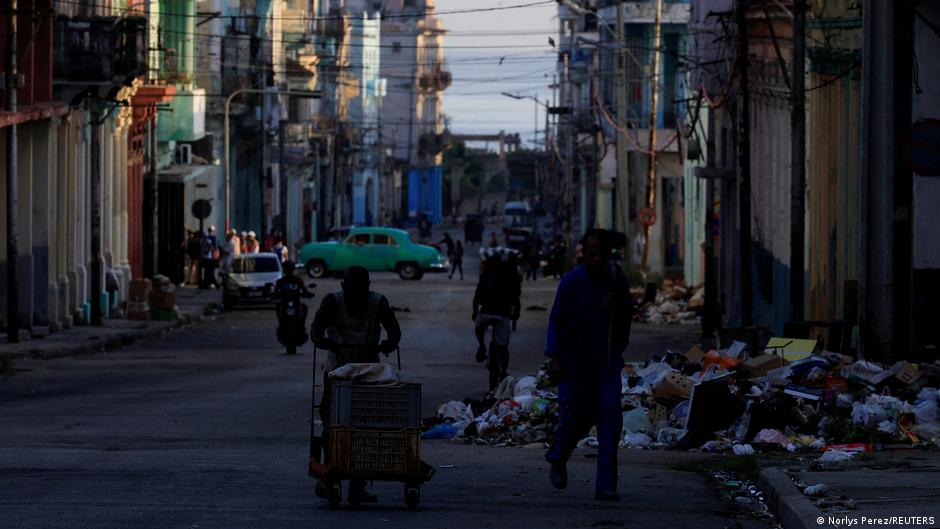
In a move contrasting with recent sanctions and military considerations, the United States dispatched the first aircraft carrying humanitarian aid to Cuba as part of a new $100 million assistance package. This initiative aims to support Cuban families directly affected by economic hardships and natural disasters.
Humanitarian Aid Amid Sanctions and Military Plans
On July 21, the US State Department announced the start of distributing humanitarian relief to Cuba, including food and hygiene kits intended to assist approximately 700 Cuban families. The aid is being channeled through the Catholic Relief Services, a humanitarian organization experienced in delivering assistance on the island.
This is not the first collaboration between Washington and Catholic intermediaries; earlier efforts delivered $9 million in aid following significant damage from Hurricane Melissa.
"The assistance package is designed to help the Cuban population while the US continues to apply pressure on the Cuban government through financial sanctions and energy supply blockades," officials said.
US Secretary of State Marco Rubio revealed the aid package in May, highlighting the dual strategy of providing humanitarian support while maintaining a hardline stance against the Cuban government. Despite initial skepticism from Havana—who accused the US of causing power outages and artificially inducing shortages—the Cuban administration appears to have accepted the aid after negotiations with US representatives.
Concurrently, the Pentagon has reportedly explored military options, including the potential deployment of thousands of paratroopers from the 101st Airborne Division to the island. Discussions have been ongoing for weeks, although no final decision has been reached.
Defense Secretary Pete Hegseth has signaled the possibility of a forceful resolution if Cuba attempts to acquire weaponry deemed threatening to the United States. Intelligence reports indicate Cuba has procured over 300 drones potentially capable of striking the US naval base at Guantanamo Bay, American fleet vessels, and Florida territory.
However, insiders suggest an imminent military operation is unlikely due to the US military’s focus on the escalating conflict involving Israel and Iran. The Trump administration appears to prefer leveraging economic sanctions and diplomatic pressures to influence Cuba.
Further tightening of sanctions includes targeting five Cuban companies, three linked to the military-controlled conglomerate Grupo de Administración Empresarial S.A. (GAESA), which controls roughly 40% of Cuba's GDP and holds liquid reserves estimated at $14.5 billion as of 2024.
Sanctions have also been imposed on the spouse of Alejandro Castro, head of Cuba's National Security Council and son of former leader Raúl Castro. Cuba's Foreign Minister Bruno Rodríguez condemned the sanctions as "relentless aggression and collective punishment," while disparaging Secretary Rubio as "dishonest and deceitful."